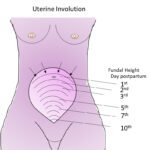
Normal Puerperium
The care provided to a mother during the puerperium is guided by several essential principles:

Page 41 of 46
The care provided to a mother during the puerperium is guided by several essential principles:
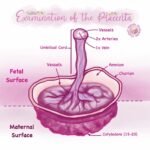
The word Placenta is derived from the Greek word "plakuos," meaning "flat cake," which perfectly describes its typical shape. It is a vital fetal organ responsible for providing…
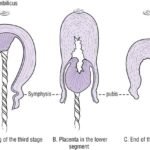
The Third Stage of Labour is a very critical phase that begins immediately after the baby is born. It involves three main steps: the separation of the placenta…
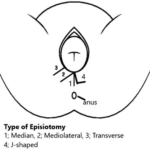
A midwife does not cut the perineum for every delivery. It is only done for specific medical reasons. These reasons are divided into three main categories:
A midwife must closely observe the mother to know exactly when the second stage has started. The signs are divided into early warnings and one absolute confirmation.
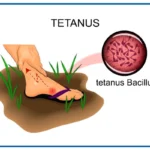
Tetanus is an acute infectious disease of the central nervous system caused by clostridium tetani and is characterized by spasms of the skeletal muscles frequently attacking the muscles…
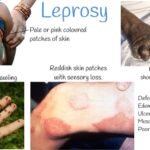
Leprosy is caused by two specific types of bacteria:
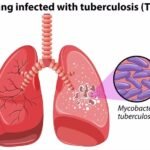
The primary causative organism for this disease is Mycobacterium tuberculosis (also known as the Tubercle Bacillus). It is a small, aerobic (requires oxygen to survive), non-motile (cannot move…
Want notes in PDF? Join our classes!!
Send us a message on WhatsApp
0726113908