Midwives Revision

Reproductive Health

reproductive system

Reproductive System

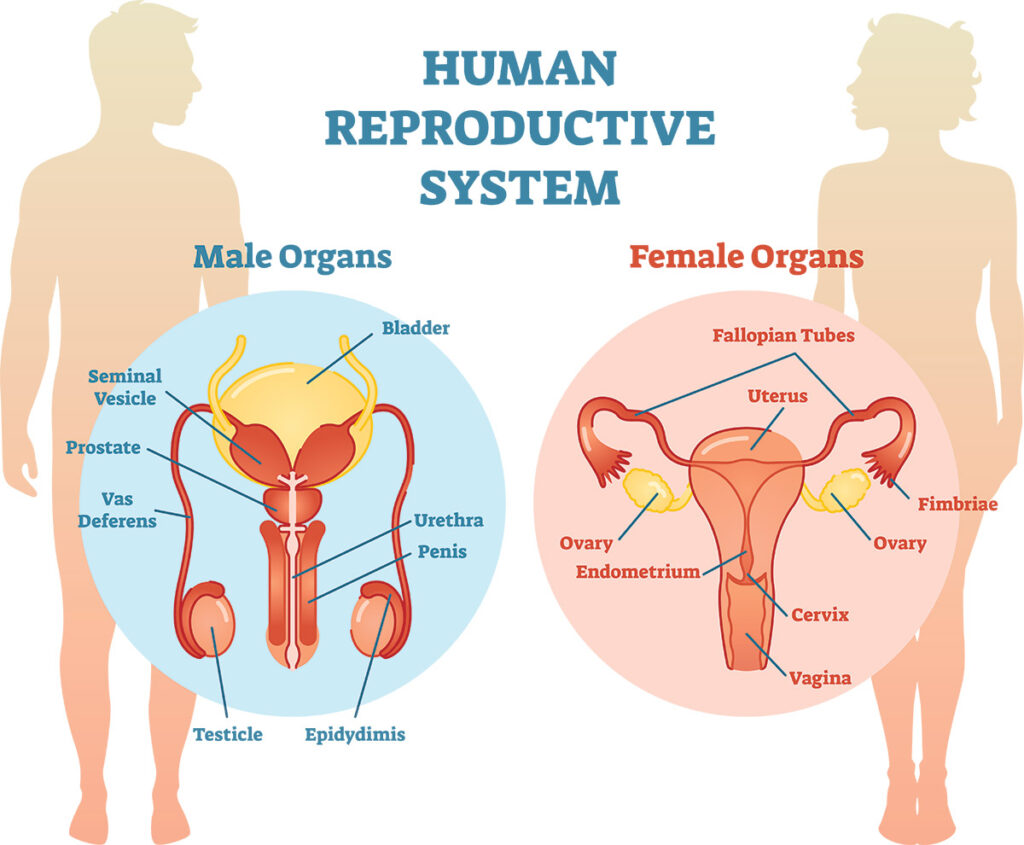
Reproductive system, also known as the genital system or the reproductive system, is a collection of organs and structures in the human body responsible for sexual reproduction.

Its primary function is to produce, store, and deliver gametes (reproductive cells) and facilitate the union of sperm and egg for the purpose of fertilization, leading to the creation of new life.

The male reproductive system

The Male Reproductive System

External genital organs 

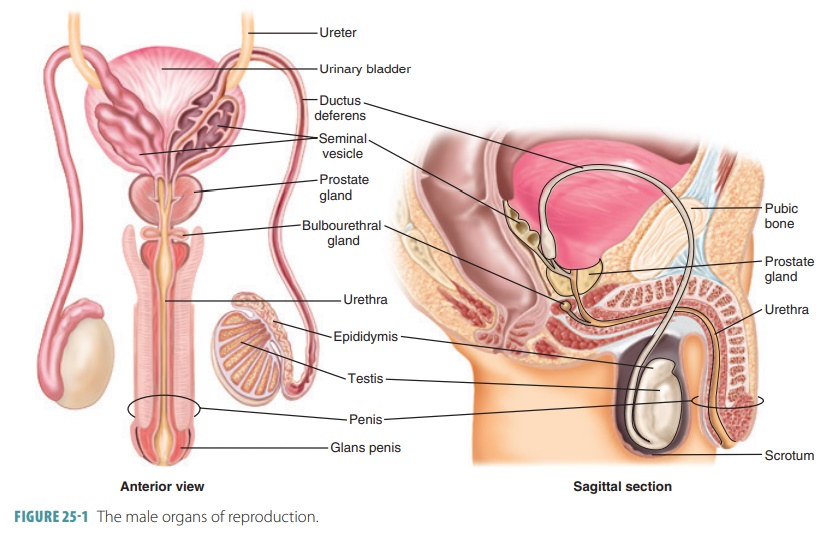
External male reproductive organs are those outside and can be seen. They comprise of the;

  •  Scrotum. 
  • Testis. 
  • Penis.

The penis 

It is an organ that carries the semen with the sperm into the vagina. During sexual arousal, blood  is pumped into the muscles of the penis making it stiff/erect so it can easily enter the vagina. The penis additionally serves as the urethral duct. Although both semen and urine pass through  the urethra in the penis, at the time of ejaculation the opening from the bladder is closed so that  only semen comes out of the penis. After ejaculation, the blood quickly drains away into the  body and the penis returns to the normal state.  

The penis is enclosed by a foreskin (prepuce) that protects the glans penis. Usually the  penis produces a white creamy substance called smegma, which helps the foreskin to  slide back smoothly. When smegma accumulates under the foreskin, it causes a bad smell  or even infection. Therefore for men who are uncircumcised need to pull back the  foreskin and gently wash underneath it with clean water everyday 

The scrotum 

It is a sac of skin containing two egg-shaped organs called the testes, found in front of and  between the thighs. It protects the testes from physical damage and helps to regulate the  temperature of the sperm. 

The testes 

They are two sex glands that produce sperm and the male hormones, which are responsible for  the development of secondary sexual characteristics in men. 

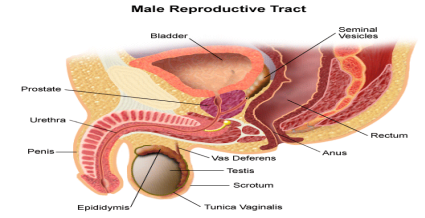
The male internal reproductive organs 

  • Epididymis. 
  • Deferent ducts (vas deferens).
  •  Seminal vesicles.
  • Ejaculatory ducts. 
  •  Prostate gland
  • Urethra-bulbous glands.(bulbourethral  glands)

Vas deferens 

  • Prostate gland. 
  • Urethra-bulbous glands.(bulbourethral  glands) 

They are tubes through which the sperm passes from the testicles and penis.  

Epididymis 

  • They are cord-like structures coiled on top of the testes, it stores sperm.  
  • When sperm matures, it is allowed to pass into the vas deferens before being released  during ejaculation. 

Seminal vesicles  

  • They are glands where the white fluid, semen is produced.  
  • Semen is fluid that is released through the penis during ejaculation.  
  • It provides nourishment for the sperms and helps their movement. 
  • The seminal vesicles do not store sperm cells. 
  • They secrete a thick alkaline fluid that mixes with the sperm cells as they pass into the  ejaculatory ducts and then the urethra.  
  • These secretions provide most of the volume of the semen.  
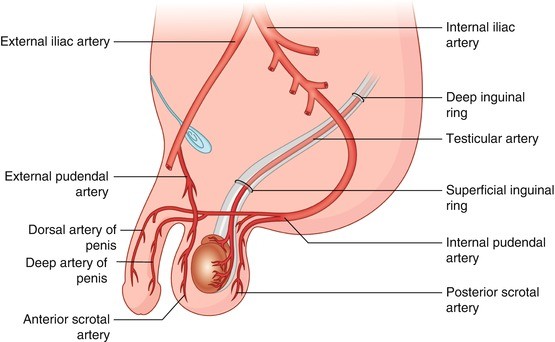
Arterial supply, venous drainage and nervous supply

Arterial supply, venous drainage and nervous supply

  • The arteries are derived from the inferior vesical and middle rectal arteries.
  • The veins accompany the arteries.
  •  Nervous supply is by sympathetic and parasympathetic nerve fibers.


Prostate gland 

  • This is the largest accessory gland of the male reproductive system.  
  • It is situated below the bladder. 
  • The prostate is partly glandular and partly fibromuscular.  
  • The prostate produces fluid that makes up part of the semen; it helps create a good  environment for the sperm in the penile urethra and vagina 
  • Enables movement of sperm and provides nutrients for the sperm. 

Cowper’s gland 

  • It comprises two small glands situated below the prostate with ducts opening into the  urethra.  
  • Its function is to produce some fluids, which helps create a good environment for the  sperm in the penile.

The Female Reproductive System

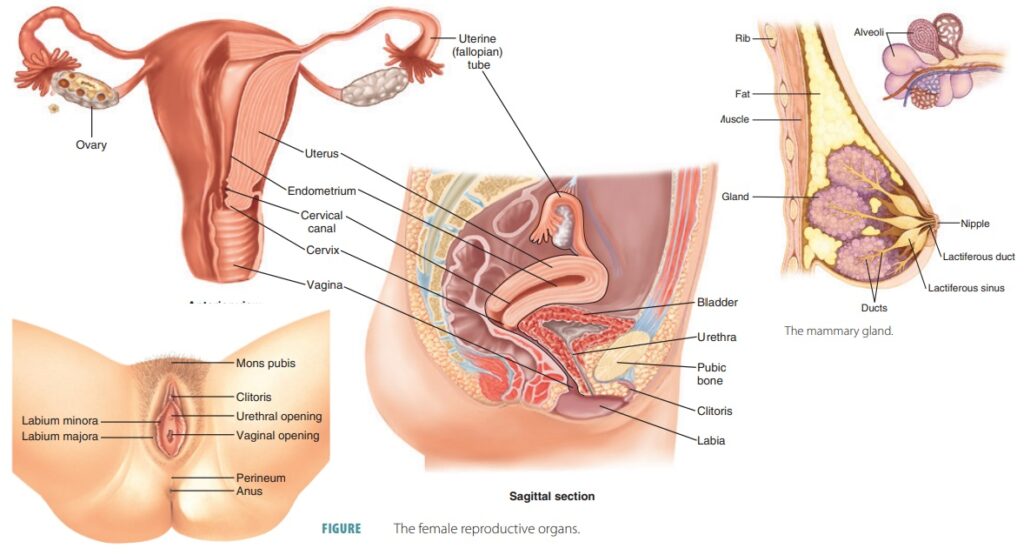
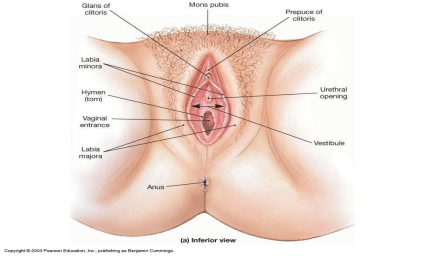
The female external genital organs 

  • The Mons Pubis 
  • The Labia Majora 
  • The labia minora. 
  • The vestibule of the vagina. 
  • The External Urethral Orifice 
  • The Vaginal Orifice 
  • The Greater Vestibular Glands 
  • The Lesser Vestibular Glands 
  • The Clitoris 
  • The Bulbs of the Vestibule 

The mons pubis 

  • The mons pubis is a rounded fatty elevation located anterior to the pubic symphysis and  lower pubic region.  
  • It consists mainly of a pad of fatty connective tissue deep to the skin. 
  • The amount of fat increases during puberty and decreases after menopause.  
  • The mons pubis becomes covered with coarse pubic hairs during puberty, which also  decrease after menopause. 
  • The typical female distribution of pubic hair has a horizontal superior limit across the  pubic region.  

The labia majora 

  • The labia are two symmetrical folds of skin, which provide protection for the urethral  and vaginal orifices.  
  • These open into the vestibule of the vagina.  
  • Each labium majus, largely filled with subcutaneous fat, passes posteriorly from the mons pubis to about 2.5 cm from the anus.  
  • They are situated on each side of the pudendal cleft, which is the slit between the labia  majora into which the vestibule of the vagina opens.  
  • The labia majora meet anteriorly at the anterior labial commissure.  
  • They do not join posteriorly but a transverse bridge of skin called the posterior labial  commissure passes between them.  

The labia minora 

  • The labia minora are thin, delicate folds of fat-free hairless skin.  
  • They are located between the labia majora.  
  • The labia minora contains a core of spongy tissue with many small blood vessels but no  fat.  
  • The internal surface of each labium minus consists of thin skin and has the typical pink  color of a mucous membrane.  
  • It contains many sensory nerve endings.  
  • Sebaceous and sweat glands open on both of their surfaces.  
  • The labia minora enclose the vestibule of the vagina and lie on each side of the orifices  of the urethra and vagina.  
  • They meet just superior to the clitoris to form a fold of skin called the prepuce (clitoral  hood).  
  • In young females the labia minora are usually united posteriorly by a small fold of the  skin, the frenulum of the labia minora.  

The Vestibule of the Vagina 

  • The vestibule is the space between the labia minora.  
  • The urethra, vagina, and ducts of the greater vestibular glands open into the vestibule.  

The external urethral orifice 

  • This median aperture is located 2 to 3 cm posterior to the clitoris and immediately  anterior to the vaginal orifice.  
  • On each side of this orifice are the openings of the ducts of the paraurethral glands  (Skene’s glands).  
  • These glands are homologous to the prostate in the male. 

The Vaginal Orifice 

  • This large opening is located inferior and posterior to the much smaller external urethral  orifice.  
  • The size and appearance of the vaginal orifice varies with the condition of the hymen, a  thin fold of mucous membrane that surrounds the vaginal orifice.  

The greater vestibular glands 

  • These glands are about 0.5 cm in diameter.  
  • They are located on each side of the vestibule of the vagina, posterolateral to the vaginal  orifice.  
  • They are round or oval in shape and the bulbs of the vestibule partly overlap them  posteriorly.  
  • From the anterior parts of the glands, slender ducts pass deep to the bulbs of the  vestibule and open into the vestibule of the vagina on each side of the vaginal orifice. 
  • These glands secrete a small amount of lubricating mucus into the vestibule of the  vagina during sexual arousal.  
  • The greater vestibular glands (Bartholin’s glands) are homologous with the bulbourethral  glands in the male 

The clitoris 

  • The clitoris is 2 to 3 cm in length.  
  • It is homologous with the penis and is an erectile organ.  
  • Unlike the penis, the clitoris is not traversed by the urethra; therefore it has no corpus  spongiosum.  
  • The clitoris is located posterior to the anterior labial commissure, where the labia majora meet.  
  • It is usually hidden by the labia when it is flaccid.  
  • The clitoris consists of a root and a body that are composed of two crura, two corpora  cavernosa, and a glans.  
  • It is suspended by a suspensory ligament.  
  • The parts of the labia minora passing anterior to the clitoris form the prepuce of the  clitoris (homologous with the male prepuce).  
  • The parts of the labia passing posterior to the clitoris form the frenulum of the clitoris,  which is homologous with the frenulum of the penile prepuce.  
  • The clitoris, like the penis, will enlarge upon tactile stimulation, but it does not  lengthen significantly.  
  • It is highly sensitive and very important in the sexual arousal of a female.
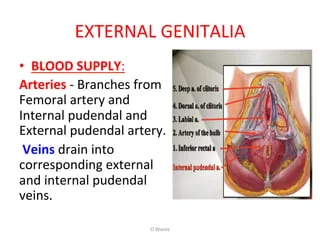
Arterial supply of female external genitalia

Arterial supply of female external genitalia 

  • The rich arterial supply to the vulva is from two external pudendal arteries and one  internal pudendal artery on each side.  
  • The internal pudendal artery supplies the skin, sex organs, and the perineal muscles.  
  •  The labial arteries are branches of the internal pudendal artery, as are the dorsal and deep  arteries of the clitoris.  

Venous drainage  

  • The labial veins are tributaries of the internal pudendal veins and venae comitantes of the  internal pudendal artery.  

Lymph drainage of the female external genitalia 

  • The vulva contains a very rich network of lymphatic channels.  
  • Most lymph vessels pass to the superficial inguinal lymph nodes and deep inguinal nodes.

reproductive system Read More »

Introduction to Reproductive Health
Home > Reproductive Health

Reproductive Health

Overview: Reproductive Health is a core pillar of the minimal health care package. It is not just about the absence of disease, but a state of complete physical, mental, and social well-being in all matters relating to the reproductive system. This comprehensive guide covers its components, the challenges faced in Uganda, integrated service delivery, and the fundamental rights of every client seeking care.

🎯 Course Objectives

By the end of this comprehensive course unit, learners should be fully equipped to:

  • Define Reproductive Health in its complete holistic context.
  • Explain all the fundamental components of Reproductive Health comprehensively.
  • Counsel and manage any condition related to Reproductive Health issues confidently and professionally.

Introduction and Definition of Reproductive Health

Reproductive Health is an integral, non-negotiable aspect of holistic healthcare. In Uganda, it is a core component of the Minimum Health Care Package. The knowledge, skills, and correct attitudes acquired in this course will empower the student midwife to effectively manage and counsel clients presenting with health problems related to the reproductive system.

💡 Definition

Reproductive Health is defined as a state of complete physical, mental, and social well-being—and not merely the absence of disease or infirmity, in all matters relating to the reproductive system, its functions, and its processes.

This means that people have the right and ability to have a responsible, satisfying, and safe sex life. It includes their capability to reproduce and having the absolute freedom to decide if, when, and how often to have children.

It is a continuous life process concerned with people’s ability to have a responsible, satisfying, and safe sex life, their capability to reproduce, and having the absolute freedom to decide if, when, and how often to do so.

Key Elements of Reproductive Health

For an individual to be considered reproductively healthy, the following elements must be present:

  • Satisfying and Safe Sex Life: Free from coercion, violence, and fear of infections.
  • Ability to Reproduce: Biological capability to conceive and carry a pregnancy to term.
  • Successful Maternal and Infant Survival: Favorable outcomes for both the mother and the newborn during and after childbirth.
  • Freedom to Control Reproduction: Autonomy over one's own body and reproductive choices.
  • Access to Family Planning: Unhindered access to accurate information and safe, effective, and affordable methods of family planning.
  • Disease Minimization: The ability to prevent, manage, and minimize gynecological and reproductive diseases throughout the lifespan.

The Components of Reproductive Health

Reproductive health is broad and encompasses several interconnected pillars. Every midwife must understand these components in deep detail:

1. Safe Motherhood

  • Preconception Care: Preparing the woman’s body for a healthy pregnancy before conception occurs.
  • Antenatal Care (ANC):
    • Maternal nutrition and supplementation (Iron, Folic Acid).
    • Focused Antenatal Care (FANC) emphasizing quality over quantity of visits.
    • Immunization (e.g., Tetanus Toxoid, Hepatitis B).
    • EMTCT (Elimination of Mother-to-Child Transmission) of HIV/AIDS.
  • Clean and Safe Delivery: Conducted by a skilled birth attendant in a hygienic environment.
  • Emergency Obstetric Care (EmOC): Rapid lifesaving interventions for complications like hemorrhage or obstructed labor.
  • Postnatal and Postpartum Care: Care for both the newborn and the mother in the critical weeks following birth.
  • Breastfeeding / Infant Feeding: Promoting exclusive breastfeeding for the first six months.
  • IEC and Community Mobilization: Information, Education, and Communication to create community awareness.
  • Post-Abortion Care Services (PAC): Managing complications of spontaneous or unsafe abortions and providing post-abortion family planning.

2. Family Planning

  • Medical Eligibility: Assessing clients using WHO criteria to ensure the chosen method is safe for their specific health profile.
  • Provision of Contraceptives: Offering a wide mix of modern, artificial, and natural family planning methods.
  • Emergency Contraceptives: Providing timely intervention (e.g., morning-after pills) to prevent unintended pregnancy after unprotected sex.
  • Management of Side Effects: Diligent follow-up and clinical management of any adverse reactions to contraceptives.
  • Infection Prevention: Maintaining strict quality care and sterility during the insertion of devices like IUCDs or implants.

3. STIs / HIV / AIDS

  • Behavioral Change Counseling (BCC): Educating clients on risk reduction and abstinence/faithfulness.
  • Condom Promotion: Wide distribution and education on the correct use of male and female condoms.
  • Counseling and Testing (HCT/VCT): Routine testing to know one's status.
  • STI Management: Syndromic and definitive diagnosis and treatment of sexually transmitted infections.
  • Partner Notification and Treatment: Ensuring that the sexual partners of infected individuals are traced and treated to prevent reinfection.
  • Treatment Compliance: Monitoring adherence to ARVs and STI medications.

4. Sexual and Adolescent Health

  • Adolescent-Friendly Services: Creating non-judgmental, accessible, and highly confidential clinic environments.
  • Behavior Change Counseling: Guiding youth through the turbulent physiological and psychological changes of puberty.
  • Contraceptive Services: Preventing teenage pregnancies which carry high maternal mortality risks.
  • STI Screening: Active testing and management tailored for the youth demographic.

5. Infertility

  • Investigation and Treatment: Systematic medical evaluation of both the male and female reproductive systems.
  • Partners' Involvement: Counseling couples together, as infertility is a shared challenge, not just a "female issue."

6. Reproductive Organ Cancers

  • Screening and Referral: Routine Pap smears, VIA (Visual Inspection with Acetic acid) for cervical cancer, and breast examinations.
  • Definitive Management: Surgical, chemical, or radiological treatments.
  • Palliative Care: Providing pain relief, psychological support, and comfort for terminal stages.

7. Gender-Related Issues

Addressing harmful practices such as Gender-Based Violence (GBV), sexual abuse, Female Genital Mutilation (FGM), and obstetric fistulae through:

  • Advocacy and community involvement to change cultural mindsets.
  • Partner involvement and multi-sectoral collaboration (police, social workers, health sector).
  • Specialized medical management (e.g., fistula repair surgeries).
  • Legal support for victims of abuse.

8. Menopause and Andropause

  • Symptomatic Treatment: Managing hot flashes, vaginal dryness, and mood swings.
  • Hormonal Replacement Therapy (HRT): Where clinically indicated and safe.
  • Partner Involvement: Helping spouses understand the physiological changes occurring in late adulthood.
  • Advice on Exercise and Nutrition: Preventing osteoporosis and cardiovascular complications common in post-menopausal women.

Importance of Reproductive Health

Prioritizing reproductive health is critical for national development and individual survival. Its benefits include:

  • Promotion of MCH: Actively promotes both Maternal and Child Health.
  • Reduction of Mortality: Drastically reduces maternal morbidity (illness) and mortality (death).
  • Women's Empowerment: Promotes free and active women’s involvement in all decision-making matters related to reproductive health, such as family planning.
  • Early Detection: Promotes prompt treatment and early detection of life-threatening cases (like ectopic pregnancies or cancers) throughout the reproductive lifespan.
  • Safer Sex Practices: Reduces the incidence of rampant sexually related abuses and limits the spread of HIV/STIs.
  • Economic Growth: Reduces government expenditure on managing preventable reproductive-related health crises, thereby promoting a higher standard of living and national economic stability.

Problems Faced During Implementation in Uganda

Despite heavy investments, the implementation of Reproductive Health Services (RHS) in Uganda faces severe, multi-faceted setbacks:

  • Low Socio-Economic Status (Poverty): This is the major setback. Many people live below the poverty line, making them unable to afford transport or access even the least costly services. The Uganda Demographic Health Survey (UDHS) shows that mortality rates are highest among women from low socio-economic backgrounds due to a lack of privileges in nutrition, housing, and education.
  • Improper / Underutilization: Existing services are often poorly utilized due to ignorance or geographical distance.
  • Delivery of Substandard Care: Care provided frequently falls below acceptable global standards. This is often coupled with acute shortages of resources and severely under-equipped facilities.
  • Lack of Communication and Referral Facilities: Poor coordination between lower-level health centers and higher referral hospitals. This is exacerbated by geographical barriers, bad roads, and a lack of transport means like ambulances.
  • Poor Cultural Perspectives: Deeply rooted negative cultural beliefs serve as massive obstacles. Practices such as Female Genital Mutilation (FGM), early marriages, and taboos denying pregnant women essential nutritious foods directly sabotage RHS.
  • Lack of Community Awareness: High levels of ignorance regarding basic reproductive health rights and available services.
  • Inadequate Supply of Resources: Constant stock-outs of essential drugs (like oxytocin or contraceptives). The little existing stock is disproportionately consumed by the overwhelming patient numbers.
  • Inadequate Skilled Staff: The number of specifically trained, skilled staff (midwives/doctors) is appallingly low compared to the massive population that desperately needs these services.
  • Improper Evaluation and Supervision: A lack of continuous monitoring by district leaders to ascertain the progress, failures, and successes of RH programs.
  • Lack of Support from Men and Leaders: Men and community opinion leaders, who are vital "change agents," often distance themselves from RH programs, viewing them as purely "women's issues."
  • Misappropriation of Funds: Embezzlement and corruption drain the specific funds designed by the government and donors to facilitate reproductive health services at the grassroots level.

💡 Critical Thinking Check

Question: Why is "Male Involvement" repeatedly stressed as a solution to Reproductive Health problems?

Answer: In many Ugandan cultures, men hold the financial and decision-making power within the family. Without male support and understanding, women often cannot access funds for transport to the clinic, cannot decide on family planning methods, and are at higher risk of SGBV.

Ways Through Which RHS Can Be Improved in Uganda

Fixing these problems requires a coordinated, long-term effort involving families, opinion leaders, communities, and the entire health system. The solutions include:

  • National Legislation and Policies: The government must make Reproductive Health a strict national priority of public concern and periodically evaluate programs to ensure their success.
  • Improve Obstetric and Referral Services: Ensuring good quality Emergency Obstetric Care (EmOC) and establishing highly functional, reliable referral systems (ambulances, road networks).
  • Timely Evaluation: Proper, consistent supervision of RH issues must be prioritized by the Ministry of Health.
  • Recruitment of Skilled Manpower: Actively hiring and deploying trained midwives and specialists to functional referral points to fill the deadly staffing gaps.
  • Decentralization of Services: Bringing comprehensive RH services closer to the grassroots level so they are available in time.
  • Eradication of Inequalities: Social inequalities and discrimination based on gender, age, and marital status must be systematically removed.
  • Timely Supply of Essentials: Eliminating drug stock-outs by ensuring steady supply chains for RH commodities to meet overwhelming demand.
  • Women's Empowerment: Empowering women with access to formal education, economic independence, and elevated social status. This dramatically increases a woman's decision-making power regarding her own health and reproduction.
  • Community Sensitization: Mass campaigns to create awareness among society members, religious leaders, and local politicians about the immense value of reproductive health.
  • Continuous Medical Education (CME): Organizing regular refresher courses, workshops, and training for healthcare personnel at various levels to constantly improve the standard of care delivered.
  • Addressing Access Barriers: Fixing infrastructure (roads) and subsidizing user fees to remove barriers to accessing facilities.
  • Discouraging Bad Cultural Practices: Implementing and enforcing strict, punitive laws against negative cultures (e.g., the illegalization of FGM, Sexual Gender-Based Violence, and early/child marriages).
  • Penalizing Corruption: Strictly arresting and prosecuting culprits found guilty of misusing or embezzling health funds.
  • Encouraging Male Involvement: Educating men to actively and wholeheartedly support their partners by participating in RHS (e.g., attending ANC together).

Specific Problems Affecting Women's Reproductive Health

Women are disproportionately affected by a multitude of reproductive health challenges throughout their lives. The most pressing problems include:

  • Anaemia & Malnutrition: Severe lack of essential nutrients and iron, heavily complicating pregnancies.
  • STIs, HIV, and AIDS: Disproportionately infecting young women due to biological vulnerability and social dynamics.
  • Maternal Mortality & Morbidity: High death rates and lifelong injuries (like fistulae) from childbirth complications.
  • Female Genital Mutilation (FGM): Causes severe scarring, lifelong pain, and catastrophic delivery complications.
  • Sexual Gender-Based Violence (SGBV): Rape, domestic abuse, and sexual coercion.
  • Unintended Pregnancy & Unregulated Fertility: Lack of spacing leading to maternal depletion syndrome.
  • Infertility: Leading to severe psychological trauma and marital breakdowns.
  • Uterine Fibroids & Endometriosis: Causing chronic pelvic pain and heavily contributing to infertility.
  • Poverty & Early Marriage: Forcing young, physically immature girls into childbirth.
  • Gynaecological Cancers: Particularly Cervical and Breast cancers, often diagnosed too late.

Defining RH Concepts

  • Maternal and Child Health (MCH): Maternal Health involves all issues relating to the health of the mother during pregnancy, labour, and after delivery. Child Health encompasses the health of the fetus in-utero and through the child’s critical first years of life.
  • Comprehensive Abortion Care (CAC): This vital service involves the prevention of unsafe abortions, the emergency medical care given to mothers experiencing abortion complications, and actively linking them to post-abortion family planning services to prevent recurrence.
  • Family Planning (FP): Occurs when an individual or a couple makes a voluntary, fully informed decision on the number of children to have, when to have them, the interval/spacing between them, and uses a reliable method of their choice to safely execute these decisions.
  • Adolescent Health: Ensuring that adolescents and young people are provided with accurate information and services by all stakeholders. Adolescents have special needs (education, recreation, shelter, food, and income). Because lifestyles acquired during adolescence directly impact current and future health, timely interventions must be put in place to intercept high-risk behaviors.
  • Sexually Transmitted Diseases (STDs/STIs): Pathogenic infections that are usually or exclusively passed through sexual intercourse with an already infected person.
  • HIV and AIDS:
    • HIV (Human Immunodeficiency Virus): A retrovirus that aggressively infects T4 (CD4) white blood cells. It causes a persistent, lifelong infection that destroys these vital immune cells, wearing down the body's entire defense system.
    • AIDS (Acquired Immune Deficiency Syndrome): The late, terminal stage of an HIV infection. It is defined by a specific group of opportunistic diseases and cancers that indicate severe immunosuppression.

Integrated Reproductive Health Service Delivery (IRHSD)

Definition: Integrated delivery is a systemic approach of providing multiple complementary reproductive health services in a single visit, aiming to suit all the needs of the client with the least amount of inconvenience. This concept promotes quality of care, higher acceptance rates, continuity, and ultimate client confidence.

Ideally, an integrated facility operates as a "ONE STOP SHOP," meaning the service provider addresses all RH needs concurrently, or the facility smoothly transitions the client between providers without sending them home.

Aspects of Service Delivery Where Integration Can Occur

  • Education and Information: Can be provided for multiple components simultaneously (e.g., teaching about Family Planning and HIV prevention in the same session). This reinforces behavior change.
  • Counseling: Intertwining topics. While counseling a mother on postpartum family planning, the midwife seamlessly integrates STI and HIV prevention strategies.
  • History Taking: Obtaining the client’s entire reproductive history at once allows for a much clearer, comprehensive diagnosis and treatment plan without repetitive questioning.
  • Physical Examination: A single physical exam can screen for multiple issues (e.g., doing a breast exam and a cervical screen during a routine postnatal check).
  • Client Management: Based on the holistic history and exam, the client is treated for all identified RH needs simultaneously.

🧠 The "One Stop Shop" Concept

Integration means the client walks through one door and receives Antenatal Care, an HIV Test, Tetanus Immunization, and Nutritional Counseling all in one visit.

Advantages of Integrating RHS

To the Client:

  • It forcefully upholds the client's rights to information, confidentiality, comfort, and continuity.
  • It saves significant time and is highly convenient.
  • It comprehensively addresses all the client's RH needs, not just the presenting complaint.
  • Helps the client accidentally identify hidden RH risks they were unaware of.
  • Improves access to services and deepens the client-provider relationship.
  • Massively increases client satisfaction.
  • It is highly cost-effective because the client pays for transport once to receive multiple services.
  • Improves personal financial sustainability.
  • Leads to remarkably improved overall health and positive service delivery outcomes.
  • Women with an "unmet need" for family planning are easily captured and serviced.
  • Dramatically reduces Mother-to-Child Transmission of HIV (EMTCT).
  • Increases direct access to ARVs (Antiretrovirals).

To the Provider / Health System:

  • Enhances the clinical competences and multi-tasking abilities of health workers.
  • Makes facility resources accessible to every provider on duty.
  • Increases the client’s trust and confidence in the provider's expertise.
  • Provides a wealthy, centralized database of information for medical research.
  • Ensures proper, efficient distribution and sharing of clinical duties.
  • Maximizes the use of the adequate (or limited) number of human resources available.
  • Facilitates comprehensive training of staff for quality health care delivery.
  • Encourages and simplifies epidemiological research.
  • Promotes the achievement of overarching gender equality goals.

Overall, integration makes RHS acceptable, complete, available/accessible ("One Stop Shop"), efficient and quick, and fully capable of meeting complex client needs.

Disadvantages of Integrating RHS

  • Increased Immediate Costs: The client may need to pay for multiple specific services or drugs all at once, which can be financially shocking.
  • Time Consuming per Visit: Because multiple services are rendered, each individual visit takes much longer, increasing the turnaround and waiting time for other patients in the queue.
  • Human Resource Shortages: Integration places a heavy demand on staff; if there is a shortage, the system bottlenecks rapidly.
  • Commodity Shortages: Rapid consumption of supplies can lead to sudden shortages of ARV drugs and other essential medicines.
  • Work Overload: It can lead to severe burnout and work overload for the few available service providers.

Determinants of RHS Success

For Reproductive Health Services to truly succeed in a community, three major determinants must be optimized:

  • Availability: The physical presence of the drugs, equipment, and staff at the facility.
  • Accessibility: The ability of the client to reach the facility (roads, transport, affordable costs).
  • Advocacy: Promoting the services vigorously through mass media, radios, and community leaders.

Rights of the Reproductive Health Client

Every single client walking into a health facility to seek Reproductive Health Services is strictly entitled to the following ten fundamental rights:

RightClinical Implication
1. InformationThe right to accurately learn about the benefits, risks, and availability of all RHS.
2. AccessThe right to obtain services without any discrimination regardless of sex, skin color, mental status, or geographical location.
3. ChoiceThe right to freely decide, without coercion, whether to receive or reject an RHS method.
4. SafetyThe right to receive scientifically proven, safe, and effective health services (infection prevention).
5. PrivacyThe right to have a secure, strictly private visual and auditory environment during all steps of counseling and physical examination.
6. ConfidentialityThe absolute assurance that no personal medical information or status will ever be breached or shared without written consent.
7. DignityThe right to be treated with utmost courtesy, respect, consideration, and attentiveness by all staff.
8. ComfortThe right to feel physically and emotionally comfortable when receiving care (e.g., proper seating, pain management).
9. ContinuityThe right to receive ongoing RHS follow-ups and supply refills for as long as the client needs them.
10. OpinionThe right to freely express personal views or complaints about the services provided, and to receive respect and feedback for those views.

References

The clinical guidelines, definitions, and components detailed in this module are drawn from standard midwifery and reproductive health protocols.

  • World Health Organization (WHO) - Defining Reproductive Health and Safe Motherhood Protocols.
  • Ministry of Health Uganda (MoH) - National Reproductive Health Policy and Minimum Health Care Package.
  • Uganda Demographic Health Survey (UDHS) - Maternal Mortality and Socio-Economic Indicators.
  • Sellers, P. M. - Midwifery: A Comprehensive Textbook for African Midwives.
  • Margaret Myles - Textbook for Midwives (Latest Edition).

Quick Quiz

RH Intro Quiz

Reproductive Health - mobile-friendly and focused practice.

Privacy: Your details are used only for quiz tracking and certificates.

Introduction to Reproductive Health Read More »

MALE INVOLVEMENT IN REPRODUCTIVE HEALTH SERVICES
Home > Reproductive Health > Male Involvement in Reproductive Health Services

Male Involvement in Reproductive Health Services

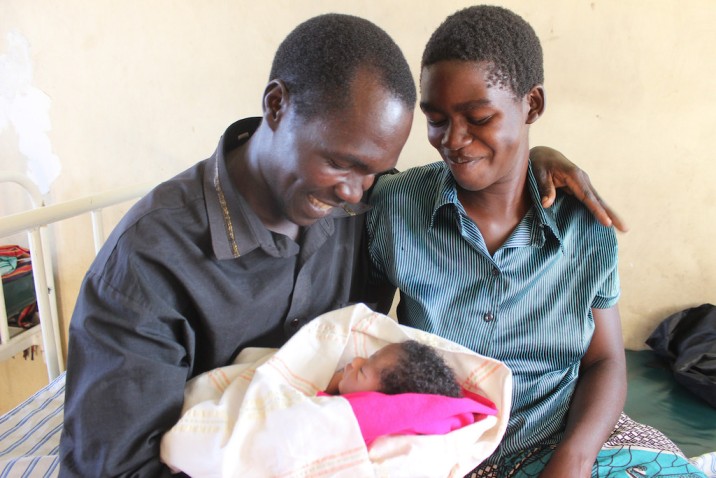
Male Involvement refers to the active participation of men in Reproductive Health (RH) matters, both as primary clients and as supportive partners. This involves men actively seeking and sharing RH information, sharing domestic chores, taking part in child-rearing, and engaging in joint decision-making.

Historically, RH services heavily targeted women. However, international mandates, including the 1994 International Conference on Population and Development (ICPD) in Cairo and the 1995 Fourth World Conference on Women in Beijing, officially endorsed the incorporation of men into the broader reproductive health agenda to achieve gender equality and empower women.

1. The Context of Male Involvement in Uganda

Male involvement is absolutely critical in the reduction of maternal and infant mortality and morbidity in Uganda. The cultural and economic dynamics heavily dictate health-seeking behaviors:

  • Men as Decision-Makers: Culturally, men are the primary decision-makers in Ugandan households. Many women are not sufficiently empowered—either socially or economically—to seek health care without directly consulting their spouses.
  • Dangerous Delays: A woman may correctly recognize obstetric danger signs during pregnancy, labour, or the puerperium, but she will often wait for her spouse to return home to give consent and provide funds before seeking care.
  • Influence of the Extended Family: The final decision on exactly where and when to seek care often depends not just on the husband, but also on his relatives.
  • Maternal Death Audits: Clinical evidence from maternal death audits in Uganda clearly shows that this specific delay in decision-making and lack of male involvement directly contributes to the country's high maternal and infant mortality rates.

2. Gender Power Roles and Male Vulnerability

Decisions regarding family health are deeply intertwined with gender power dynamics. Because men control household resources, the indirect costs of care-seeking are entirely at their discretion. This creates several dynamics:

  • Control of Resources: Women often have to justify and explain why they need to go to health facilities. Preventive services (like antenatal care or family planning) are often harder to justify to men than acute emergencies.
  • Family Size Dictation: The decision on the number of children to have is very often dictated solely by the man.
  • STI and HIV Control: The control of STIs/HIV is a critical RH issue for men, who are statistically more often involved in high-risk sexual behaviors.
  • Emotional Journey: Sexual and Reproductive Health (SRH) issues involve a deep emotional journey. Both men and women desperately need emotional support during this process.

Male Specific Health Vulnerabilities

Men have their own unique sexual and reproductive health problems that are often ignored by traditional health systems. These include:

  • Infections: High vulnerability to HIV/AIDS and other Sexually Transmitted Infections (STIs).
  • Fertility & Midlife Concerns: Issues such as male infertility, sexual dysfunction, and andropause (the male equivalent of menopause).
  • Malignancies: Serious non-malignant genito-urinary conditions and life-threatening cancers of the prostate, testicles, and other genito-urinary organs.

⚠️ Attention: Masculinity and Gender-Based Violence (GBV)

Cultural beliefs often equate "manhood" or "masculinity" with risky behavior and physical dominance. Masculinity norms dictate that males must "play brave" by not seeking medical help when sick (even with HIV). Furthermore, Gender-Based Violence often arises from this toxic notion of masculinity based on sexual and physical domination over women. Addressing GBV is a cross-cutting issue that requires a gendered approach to actively involve and re-educate men.

3. The Historical Shift in Perspective

In the past, bringing men into RH clinics was strongly opposed by women’s health advocates. They understandably feared that adding male services would damage the quality of women’s care, reduce privacy, and create competition for already scarce medical resources.

However, it is now globally proven that neglecting men actually detracts from women's overall health. Programs that educate, test, and treat only one partner will never be effective.

  • Men who are educated about RH are more likely to fully support their partners in using contraceptives and practicing safe sex.
  • Knowledgeable men make faster, better health care decisions, ensuring their partners receive Emergency Obstetric Care immediately rather than delaying.
  • Men must share the equal burden of disease prevention, as well as the risks and benefits associated with family planning.

4. Core Reasons for Involving Men in Reproductive Health

Involving men creates a massive ripple effect of benefits for the man, the woman, the community, and the healthcare provider. The main reasons include:

  • Provides Support: It ensures male support for female actions related to reproduction and fosters deep respect for women’s reproductive and sexual rights.
  • Expands Options: Increases access to and use of male contraceptive methods (condoms, vasectomy), effectively expanding the range of family planning options.
  • Promotes Healthy Behavior: Encourages highly responsible and healthy reproductive and sexual behaviors, especially in young men.
  • Improves Counseling: Allows men to actively participate alongside their spouses during counseling and FP/RH information sessions.
  • Disease Prevention: Acts as a primary tool in preventing the rapid spread of HIV/AIDS and STDs.
  • Risk Awareness: Helps directly inform men about the devastating ill effects their risky sexual behaviors have on the health of their women and children.
  • Approval of FP: When men approve of family planning, they heavily support and fund their women’s contraceptive use.
  • Decision Making: Men make macro-decisions that directly affect both women's and men’s health; educating them ensures these decisions are medically sound.
  • Women's Demands: Women themselves are increasingly demanding that their partners take more responsibility and involvement in family health.
  • Gender Equity: Utilizing RH programs to promote true gender equity and the radical transformation of traditional men’s and women’s social roles.

5. Factors Limiting Male Participation

Despite the known benefits, several systemic, cultural, and psychological barriers prevent men from fully utilizing RH services:

  • Primary Health Centers (PHC) Not Geared for Men: Most family planning and RH services are exclusively designed to meet women’s or children’s needs. Men do not view these clinics as a source of help for themselves.
  • Female-Dominated Staff: The vast majority of PHC service providers are female, which can create a barrier for men seeking sensitive genital health care.
  • Unwelcoming Environment: Clinics are often inconveniently timed, overcrowded with women/children, and unwelcoming to men. Men feel deep embarrassment visiting a facility that primarily serves pregnant women.
  • Unfavorable Social & Cultural Climate: Cultural factors actively limit men’s abilities to take a supportive role. In societies where sexual matters are taboo, men feel highly uncomfortable discussing family planning or sexual concerns.
  • Limited Male Contraceptives: Available methods for men are strictly limited to condoms, natural family planning, withdrawal, and vasectomy.
  • Rumors and Misinformation: A severe lack of accurate information leads to deadly myths. Men often equate vasectomy with castration or impotence, or they believe condoms reduce sexual satisfaction and cause diseases.
  • Provider Bias: Healthcare providers often hold deep biases against male methods or assume men simply do not care. Providers may neglect to even offer or explain male methods to couples.
  • Religious Barriers: Certain men believe that practicing contraception contradicts their strict religious teachings.
  • Resource Constraints: Clinics lack dedicated "Male Clinics," lack male health workers, and prioritize the minimal funds toward women's services.
  • Psychological Factors: Mindset, ego, and shyness prevent men from opening up. There is also a lack of adequate communication between spouses regarding FP needs.

6. Reproductive Health Needs and Services for Men

To successfully integrate men, health systems must provide services that specifically cater to male reproductive anatomy and psychology. These needs are categorized into three areas:

A. Information Needs

  • Basic sexual and reproductive health education.
  • Genital health, proper hygiene, and reproductive physiology.
  • Building healthy relationships and preventing sexual/gender-based violence.
  • Information on contraception, pregnancy prevention, and birth preparedness.
  • Knowledge about STIs, HIV, fertility, and infertility.
  • Awareness of male reproductive cancers (prostate, testicular).
  • Fatherhood skills and where to obtain specialized services (e.g., genetic counseling, abuse support).

B. Skill Needs

  • Practical skills in pregnancy and STI prevention (e.g., correct condom use).
  • Improved sexual skills and healthy communication.
  • Active fatherhood and parenting skills.

C. Preventive Health Care & Clinical Services

  • Comprehensive sexual and reproductive history taking.
  • Cancer screening and physical examinations.
  • Substance abuse screening and mental health assessments.
  • Clinical diagnosis, testing, and treatment for STIs (including HIV).
  • Diagnosis and medical treatment for sexual dysfunction and urologic diseases.
  • Fertility evaluations and contraceptive surgical services (Vasectomy / Vasectomy reversal).

7. Social and Reproductive Responsibilities of Men

Empowering men means holding them accountable to clear social and reproductive responsibilities:

  • Communication: Openly discussing contraceptive options and STI/HIV screening with their partners.
  • Clinical Support: Physically escorting partners to Antenatal Care (ANC), delivery, and Postnatal Care (PNC) services.
  • Legal Marriage: Men should legally only marry partners who have reached the age of 18 years and above.
  • Prevention: Abstaining from sex until marriage or consistently using condoms to prevent STIs, HIV, and unwanted pregnancies.
  • Emotional Support: Maintaining a peaceful, non-violent, and loving relationship, especially during the high-stress periods of pregnancy, labor, and puerperium.
  • Financial Support: Providing total moral and financial backing for medical bills, transport, and nutrition during pregnancy and childbirth.
  • Child Rearing: Actively helping in bringing up children and supporting the mother's infant feeding choices.

Social Norms, Beliefs, Practices, and Taboos to Overcome

Health workers must actively fight against deep-rooted negative cultural practices:

  • Promiscuity & Polygamy: Culturally accepted behaviors that drastically multiply the spread of HIV.
  • Power Imbalances: A setup where strict male dominance is the absolute norm, leading to a lack of communication/dialogue between spouses.
  • Gender Biases in Roles: Assigned roles (e.g., "men do not cook") mean men cannot or will not assist their wives with heavy chores during pregnancy.
  • Harmful Traditions: Early marriage (which causes obstetric fistulas and maternal death) and wife inheritance (which spreads STIs).
  • Poverty: Competition among co-wives in polygamous setups often deepens household poverty, limiting funds for maternal healthcare.

8. Strategies to Increase Male Involvement

To successfully bring men into the reproductive health fold, health systems and midwives must employ robust, multi-sectoral strategies:

  • Youth Education: Work proactively with young men and boys in schools to positively influence gender biases early on, ensuring better RH outcomes in the future.
  • Service Integration: Integrate male-desired services (like prostate screening or STI treatment) directly into existing maternal health clinics.
  • Community Sensitization: Aggressively sensitize the general community to re-address and dismantle negative gender biases and cultural taboos.
  • Capacity Building: Train and build the capacity of healthcare providers to actively welcome and involve men without bias.
  • Develop IEC Materials: Create targeted Information, Education, and Communication (IEC) and advocacy materials that directly address male responsibilities in RH.
  • Focus on the Couple: Shift the clinical focus from treating the "individual woman" to treating the "couple" as a single unit.
  • Eradicate Myths: Run heavy campaigns to remove myths, rumors, and fears specifically surrounding condoms and vasectomies.
  • Clinic Restructuring: Rearrange health clinics to ensure privacy. Where possible, establish separate clinics for males or employ more male health workers to reduce shyness.
  • Outreach Services: Push for Workplace services, Community-based services, and commercial social marketing targeted at men.
  • Policy Guidelines: Engage high-level institutions (like the Ministry of Health and NGOs) to develop strict national guidelines on male involvement in RH.

9. References

  • International Conference on Population and Development (ICPD) Program of Action, Cairo, 1994.
  • Fourth World Conference on Women, Beijing, 1995.
  • Uganda Ministry of Health (MoH) Guidelines on Maternal and Child Health.
  • World Health Organization (WHO) protocols on Male Involvement in Reproductive Health.
  • Evidence from National Maternal Death Audits, Uganda.

Quick Quiz

Male Involvement Quiz

Reproductive Health - mobile-friendly and focused practice.

Privacy: Your details are used only for quiz tracking and certificates.

Male Involvement in Reproductive Health Services Read More »

Want notes in PDF? Join our classes!!

Send us a message on WhatsApp
0726113908

Scroll to Top