Introduction To Palliative Care
"Palliative care is an approach that improves the quality of life of patients and families facing the problems associated with life-threatening illness through the prevention and relief of…

Page 33 of 46
"Palliative care is an approach that improves the quality of life of patients and families facing the problems associated with life-threatening illness through the prevention and relief of…
Before touching any casualty, you must follow a strict algorithm. Life threats are treated immediately as they are FOUND before moving to the next step. The modern primary…
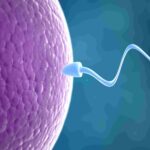
In the human body, normal body cells (somatic cells) contain 46 chromosomes. These are called diploid cells. However, reproductive cells (gametes) must only contain 23 chromosomes so that…
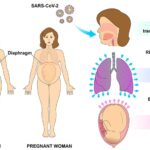
Pregnancy is a remarkable journey where a woman's body undergoes incredible transformations to support a new life. These changes start right after conception and affect almost every part…
Prepared by Nurses Revision! Let's dive in! 😊
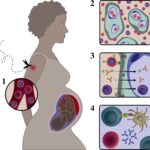
HIV (Human Immunodeficiency Virus) is a virus that attacks the body's immune system, specifically the CD4 cells (T cells), which are important for immune defence.
Pulmonary Tuberculosis is an infectious disease of the lungs caused by acid-fast bacilli known as Mycobacterium.
Malaria is a febrile condition/disease caused by a Plasmodium parasite and is the most common cause of pyrexia in tropical regions, usually associated with rigors.
Want notes in PDF? Join our classes!!
Send us a message on WhatsApp
0726113908