
Gastroenteritis (GE)
Gastroenteritis (GE) is an acute medical condition characterized by the severe inflammation of the gastrointestinal tract. This inflammation involves both the stomach ("gastro-") and the small intestine ("entero-").
It typically results in a combination of acute diarrhea, vomiting, abdominal pain, and cramping. The severity of infectious gastroenteritis highly depends on the infected individual's immune system and its ability to resist the infection. A major clinical concern is the rapid loss of critical electrolytes (mainly sodium and potassium) as the individual vomits and experiences continuous diarrhea.
Causes of Gastroenteritis
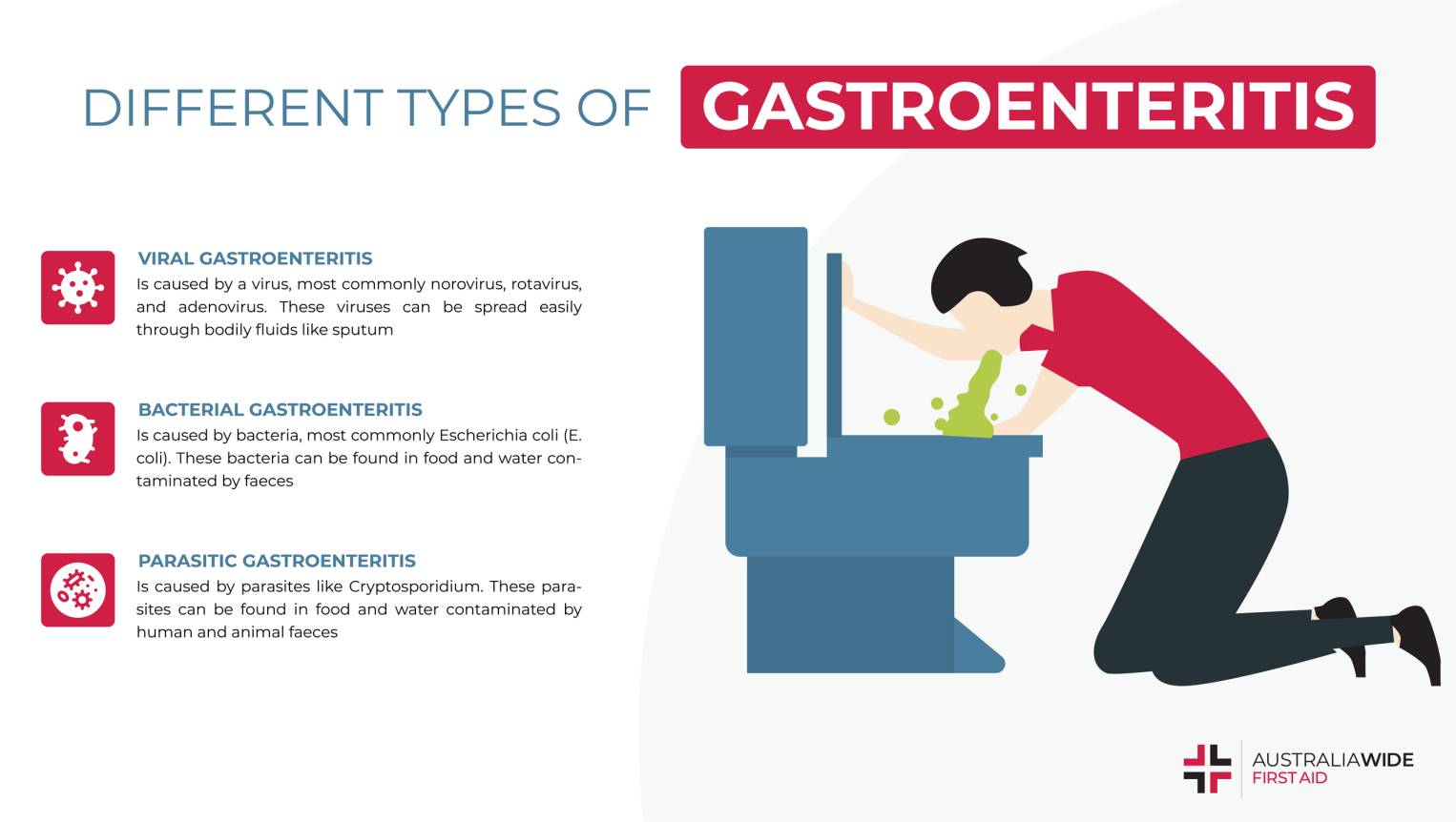
Gastroenteritis can be triggered by a wide variety of pathogens, as well as non-infectious agents. The exact cause dictates the clinical presentation and management.
1. Viral Causes (Most Common)
- Rotavirus: This is the single most common cause of severe gastroenteritis in infants and young children worldwide. It causes profuse, watery diarrhea.
- Norovirus: The leading cause of viral gastroenteritis among adults. It is highly contagious and is responsible for greater than 90% of global gastroenteritis outbreaks (often in closed communities like cruise ships, hospitals, and schools).
- Adenovirus & Astrovirus: Other common viral agents that predominantly cause GE in pediatric populations.
2. Bacterial Causes
Bacterial GE is often associated with foodborne illnesses (food poisoning) and poor sanitation.
- Campylobacter jejuni: The primary cause of bacterial GE in the developed world. It is contracted by consuming raw or undercooked poultry meat, unpasteurized milk, or contaminated water.
- Salmonella species: Contracted by ingesting the bacteria in contaminated food or water, and frequently linked to handling raw poultry and eggs.
- Escherichia coli (E. coli): Various strains (like ETEC and EHEC) cause traveler's diarrhea and hemorrhagic colitis.
- Shigella: Causes severe bacterial dysentery (bloody diarrhea with mucus).
- Clostridium difficile (C. diff): An increasingly important cause of severe diarrhea, occurring more often in the elderly. It is highly associated with hospitalized patients and those with prolonged antibiotic use (which alters normal gut flora).
- Staphylococcus aureus: Produces pre-formed toxins in food. Its infectious diarrhea can also occur in patients who have recently used broad-spectrum antibiotics.
3. Parasitic Causes
A number of protozoans can invade the intestines and cause prolonged GE, most commonly:
- Giardia lamblia: Causes giardiasis, characterized by foul-smelling, fatty, and greasy stools.
- Entamoeba histolytica: The causative agent of amoebic dysentery, which deeply invades the intestinal mucosa causing bloody stools.
- Cryptosporidium: Causes severe, watery diarrhea, especially dangerous in immunocompromised patients (such as those with advanced HIV/AIDS).
4. Non-Infectious Causes
- Medications: Use of Non-Steroidal Anti-Inflammatory Drugs (NSAIDs) which irritate the gastric mucosa.
- Dietary Intolerance: Certain foods such as lactose in individuals who lack the lactase enzyme (lactose intolerance).
- Underlying Bowel Diseases: Conditions like Crohn’s disease, Ulcerative Colitis, and Celiac disease.
- Heavy Metal Toxicity: Ingestion of toxins or heavy metals (e.g., arsenic, lead).
Transmission of Gastroenteritis
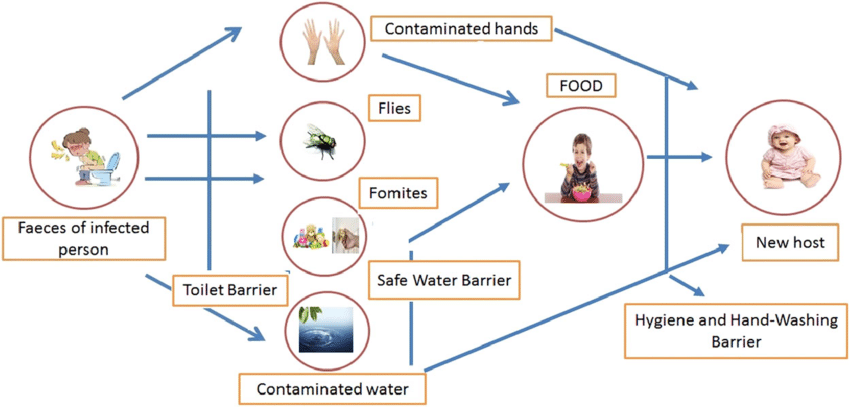
The transmission of GE germs occurs primarily through the fecal-oral route. This involves the accidental ingestion of feces or vomit particles from infected individuals. It is aggressively spread through the following means:
- Consuming untreated, unboiled, or contaminated water from rivers, streams, lakes, ponds, or unprotected springs.
- Eating cold, uncovered food that has been exposed to dust, mechanical vectors like house flies, or cockroaches.
- Neglecting strict personal hygiene, specifically failing to wash hands with soap and water after using a latrine or before handling food.
- Eating unwashed raw fruits and vegetables.
- Serving food and drinks in dirty, unsterilized containers.
- Storing safe drinking water in unclean containers, causing secondary contamination.
- Improper and unhygienic disposal of human and animal feces in the environment.
- The presence of open rubbish pits near homesteads that attract flies, rodents, and cockroaches.
Signs and Symptoms
The clinical presentation varies depending on the causative agent and the patient's age. However, the hallmark signs include:
- Primary Symptoms: Acute, watery diarrhea often accompanied by sudden, forceful vomiting.
- Stool Characteristics: Infected individuals may notice the presence of blood or mucus in their stools (indicative of dysentery caused by Shigella or E. histolytica).
- Abdominal Discomfort: Severe, crampy abdominal pain is a common occurrence, which may temporarily ease immediately after passing stool.
- Systemic Signs: Low-grade fever, persistent headache, lethargy, and generalized body aches (myalgia).
⚠️ Attention: Clinical Signs of Dehydration
Because fluid is lost rapidly, recognizing dehydration is critical to saving the patient's life. Symptoms include:
- Mild to Moderate: Muscular cramps, sunken eyes, decreased urine output (oliguria), dry mouth and tongue, extreme weakness, and severe irritability. In infants, a sunken anterior fontanelle and absence of tears when crying.
- Severe (Medical Emergency): Extreme fatigue, dizziness or lightheadedness, severe headache, confusion, rapid heart rate (tachycardia), deeply sunken eyes, skin pinching goes back very slowly (poor skin turgor), drastically reduced urine production (anuria), and eventually coma or death due to hypovolemic shock.
Diagnosis of Gastroenteritis
- Clinical Assessment: GE is primarily diagnosed clinically, based on a comprehensive history of the person’s signs, symptoms, recent travel, and dietary intake.
- Stool Analysis & Culture: Stool microscopy and cultures should be strictly performed, especially in patients presenting with blood or mucus in the stool, prolonged symptoms, or severe systemic illness. This helps isolate the exact bacteria or parasite.
- Blood Tests: Serum electrolytes (to check for critical sodium and potassium imbalances) and a Complete Blood Count (CBC) may be requested in severe cases.
Clinical Management of Gastroenteritis
Gastroenteritis is usually an acute and self-limiting disease. The absolute primary goal of management is fluid and electrolyte replacement, not immediately stopping the diarrhea.
- Oral Rehydration Therapy (ORT): The preferred and most effective treatment for mild to moderate dehydration. Oral Rehydration Salts (ORS) contain the perfect balance of water, glucose, and sodium to maximize intestinal absorption.
- Alternative Fluids: Plain water, light soups, or rice water may be used temporarily if more specific and effective ORT preparations are completely unavailable or not palatable to the child.
- Intravenous (IV) Fluid Delivery: Strongly required if there is a decreased level of consciousness (patient cannot drink), persistent vomiting, or if the dehydration is classified as severe. Ringer's Lactate or Normal Saline is commonly used.
- Nasogastric (NG) Tube: Can be utilized in young, uncooperative children or those with severe nausea to administer life-saving ORS continuously.
- Fluid Balance Monitoring: Institute a strict Fluid Balance Chart (Input and Output) to monitor the patient's hydration status.
Pharmacological & Nutritional Interventions
- Zinc Supplementation: Highly effective and WHO-recommended in both treating and preventing diarrhea among young children. It reduces the duration and severity of the episode and prevents future episodes for up to 3 months.
- Symptomatic Relief: Metoclopramide (antiemetic) may be helpful in controlling severe vomiting in some patients. Butylscopolamine (Buscopan) is highly useful in treating severe crampy abdominal pain (antispasmodic).
- Dietary Adjustments: Breastfeeding must be continued on demand. Fermented milk products (such as yogurt containing probiotics) are highly beneficial in restoring normal gut flora.
- Antibiotic Therapy: Antibiotics are not usually used for routine viral gastroenteritis. However, they are strictly recommended if symptoms are particularly severe (e.g., cholera, severe shigellosis), or if a susceptible bacterial cause is isolated or highly suspected.
- If antibiotics are indicated, a macrolide (such as Azithromycin) is often preferred, or Ciprofloxacin for adults.
- Metronidazole or Tinidazole is strictly used if the causative agent is a protozoa (e.g., Giardia or Amoeba).
Prevention and Control (Public Health Measures)
Preventing GE relies heavily on breaking the fecal-oral transmission cycle through strict hygiene and sanitation.
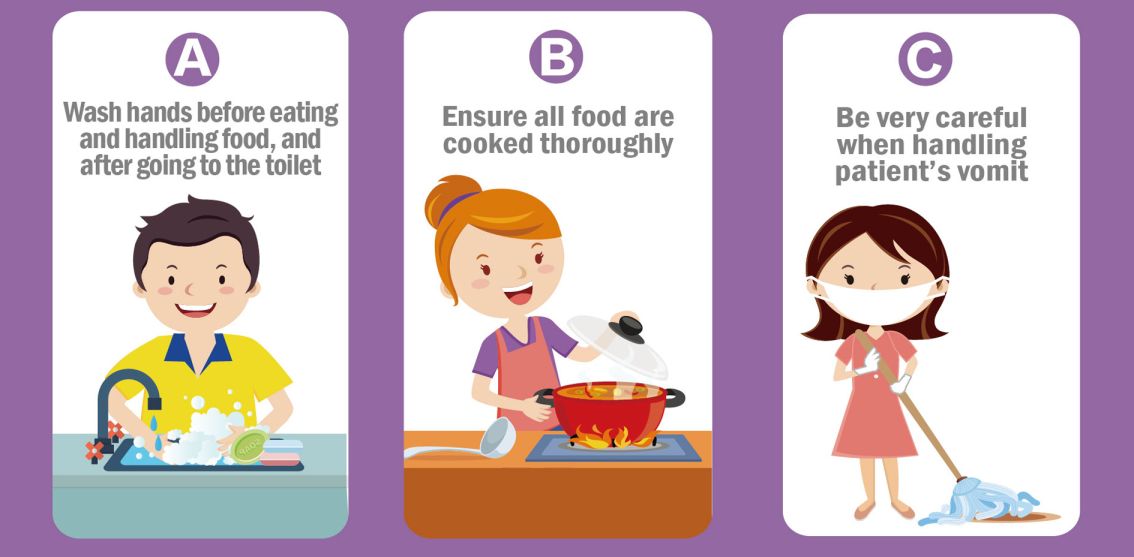
- Strict Hand Hygiene: Always wash hands thoroughly with clean water and soap before preparing, serving, or eating food, and crucially, after using a latrine or changing a baby's diaper.
- Water Safety: Boil all drinking water vigorously or treat it with approved chemical treatments (like chlorine/WaterGuard). Store safe water in clean, covered containers to prevent secondary contamination.
- Food Safety: Consume food while it is still hot. Ensure that raw foods such as fruits and vegetables are properly washed with safe water and, whenever possible, peeled before eating. Cover all foods tightly to prevent contamination by dust, house flies, and cockroaches.
- Infection Control & Disinfection: Isolate the severely infected patient to prevent cross-infection in wards. Kill germs by using strong germ-killing solutions like JIK (0.5% bleach solution) on stool, vomit, linens, and all other materials/surfaces used by the person suffering from diarrhea.
- Environmental Sanitation: Improve community water sources and latrine coverage to permanently reduce the transmission of infection. Eliminate open rubbish pits.
- Public Health Reporting: In the tragic event of a person’s death due to acute diarrhea (especially suspected Cholera), report it immediately to the local health authorities and conduct urgent epidemiological investigations of diarrheal outbreaks.
- Address Co-morbidities: Aggressively treat underlying malnutrition, as malnourished children are significantly more likely to die from GE. Also, treat co-infections like typhoid and systemic dysentery.
- Immunization: Strongly advocate for and ensure immunization with the Rotavirus vaccine (Rota vaccine) during the standard UNEPI schedule, which provides excellent, life-saving protection against rotavirus, the most deadly cause of gastroenteritis in infants.
💡 Quick Practice Check
Question: A 2-year-old child presents to the clinic with severe, watery diarrhea. The mother states the child has had no tears when crying and has not passed urine in 8 hours. What is the most critical immediate intervention?
Answer: Immediate Intravenous (IV) Fluid Resuscitation. The child is exhibiting signs of severe dehydration (anuria, lack of tears). While ORT is the standard for mild/moderate cases, severe dehydration requires immediate IV fluids (like Ringer's Lactate) to prevent hypovolemic shock and death, alongside Zinc supplementation.
References
- World Health Organization (WHO) Guidelines on the Management of Acute Diarrhea and Use of Oral Rehydration Therapy.
- Stanfield, B., & Versluys, M. (2004). Child Health: A Manual for Medical and Health Workers in Health Centres and Rural Hospitals (2nd ed.). English Press Limited, Nairobi.
- Uganda Clinical Guidelines (UCG) on the Management of Gastroenteritis and Dysentery in Pediatric and Adult Populations.
- Uganda National Expanded Programme on Immunization (UNEPI) Standards for Rotavirus Vaccination.
Thank you
The session has been very helpful,,
Some questions to guide would be more beneficial
Greatful
Thank you very much.It is worthwhile.
May you please help me and also share the pathophysiology and the Specific Nursing management?
thank you 🙏
this is really helpful