Midwives Revision

Mental Health

ANXIETY DISORDERS

All children have worries and fears from time to time. Whether itโ€™s the monster in the closet, the big test at the end of the week, or any other thing, kids have things that make them anxious, just like adults.

But sometimes anxiety in children crosses the line from normal everyday worries to a disorder that gets in the way of the things they need to do. It can even keep them away from enjoying life as they should.

To understand anxiety disorders, it's important first to grasp the fundamental concepts of anxiety and fear, recognizing their adaptive functions before distinguishing them from their pathological forms.

1. Fear:

  • Definition: Fear is an immediate, primal, and often intense emotional response to an imminent or present perceived threat. It is a fundamental, evolutionarily conserved survival mechanism that prepares the body for "fight or flight."
  • Specificity: Typically associated with a clearly identifiable, external stimulus (e.g., encountering a dangerous animal, being in a life-threatening situation).
  • Duration: Usually time-limited, subsiding once the threat is removed or resolved.

2. Anxiety:

  • Definition: Anxiety is a future-oriented emotional state characterized by apprehension, worry, and physical symptoms of tension in response to a potential or anticipated threat. It's often diffuse, vague, and less focused than fear.
  • Specificity: The source of the threat can be unclear, internal, or disproportionate to the actual risk (e.g., worrying about an upcoming exam, future health, financial stability).
  • Duration: Can be chronic, persistent, and may not resolve even when the perceived threat is absent or distant.

Differentiating Normal vs. Pathological Anxiety/Fear

Both fear and anxiety are normal, adaptive human experiences. They serve important functions in alerting us to danger, motivating us to prepare, and promoting self-preservation.

FeatureNormal Anxiety/FearPathological Anxiety/Fear (Disorder)
TriggerRealistic and proportionate to the actual threat/stressor.Disproportionate to the actual threat, or no clear trigger is present.
IntensityMild to moderate, manageable.Severe, overwhelming, and debilitating.
DurationTemporary, subsides when the threat/stressor passes.Persistent, prolonged, and difficult to control, even without a clear stressor.
Impact on FunctionMay enhance performance (e.g., studying for an exam), or leads to appropriate protective action.Significantly impairs daily functioning (social, occupational, academic) and quality of life.
ControlIndividual can typically manage or alleviate the feelings.Feelings are intrusive, uncontrollable, and consume the individual's thoughts.
SymptomsTransient physiological arousal (e.g., butterflies, mild nervousness) and cognitive preoccupation.Frequent, intense, and distressing physiological, cognitive, and behavioral symptoms.
Behavioral ResponseLeads to adaptive behaviors (e.g., caution, problem-solving, seeking safety).Leads to maladaptive coping (e.g., avoidance, excessive reassurance-seeking, panic attacks, social withdrawal).

In essence, pathological anxiety/fear is characterized by its intensity, chronicity, pervasiveness, and the significant distress and functional impairment it causes. It is no longer an adaptive response but rather a debilitating condition.

Components of the Anxiety Response

The anxiety response is an interplay of physiological, cognitive, and behavioral elements, often referred to as the "triple response."

1. Physiological Component (Somatic/Physical Symptoms):

  • These are the body's physical reactions to perceived danger, driven by the activation of the autonomic nervous system (ANS), specifically the sympathetic nervous system (the "fight or flight" response).
  • Examples:
    • Cardiovascular: Increased heart rate (tachycardia), palpitations, chest pain/tightness, elevated blood pressure.
    • Respiratory: Rapid breathing (tachypnea), shortness of breath, hyperventilation, choking sensation.
    • Neurological: Dizziness, lightheadedness, trembling, shaking, muscle tension, headaches, paresthesias (numbness/tingling).
    • Gastrointestinal: Nausea, stomach upset, "butterflies in the stomach," diarrhea, dry mouth.
    • Dermatological: Sweating, flushing, chills, pallor.
    • Sensory: Blurred vision, ringing in ears.
    • General: Fatigue, weakness.
  • 2. Cognitive Component (Thoughts):

  • These are the subjective experiences, thoughts, and interpretations related to the perceived threat.
  • Examples:
    • Worry: Apprehensive expectation about future events, often disproportionate and difficult to control.
    • Catastrophizing: Thinking the worst possible outcome will occur.
    • Rumination: Repetitive thinking about an event or situation, often focusing on negative or problematic aspects.
    • Negative Self-Talk: Believing oneself to be incapable, inadequate, or unsafe.
    • Difficulty Concentrating: Impaired attention and focus due to preoccupation with anxious thoughts.
    • Fear of Losing Control: Worry about losing one's mind, acting impulsively, or making a fool of oneself.
    • Fear of Dying: Intense worry about impending death, especially during panic attacks.
    • Memory Impairment: Difficulty recalling information due to anxiety-induced cognitive load.
  • 3. Behavioral Component (Actions):

  • These are the observable actions an individual takes in response to anxiety, often aimed at reducing distress or avoiding the perceived threat.
  • Examples:
    • Avoidance: Actively staying away from situations, objects, or thoughts that trigger anxiety (e.g., not attending social events, avoiding public places, procrastinating on tasks). This is a hallmark of many anxiety disorders.
    • Escape: Leaving an anxiety-provoking situation once it has begun.
    • Safety Behaviors: Actions taken to reduce perceived threat or alleviate anxiety, which can inadvertently maintain the anxiety (e.g., always sitting near an exit, carrying medication, constantly seeking reassurance, checking behaviors).
    • Restlessness/Agitation: Fidgeting, pacing, inability to sit still.
    • Freezing: Inability to move or act in a threatening situation.
    • Social Withdrawal: Isolating oneself from others.
    • Ritualistic Behaviors: Repetitive actions aimed at controlling anxiety (more common in OCD, but can be seen in other anxiety disorders).
  • Classification of Major Anxiety Disorders

    The Diagnostic and Statistical Manual of Mental Disorders, 5th Edition, Text Revision (DSM-5-TR) is the standard classification system for mental disorders. It groups conditions based on shared characteristics and symptomatology. While Obsessive-Compulsive Disorder (OCD) and Post-Traumatic Stress Disorder (PTSD) were previously categorized under anxiety disorders, the DSM-5-TR now places them in their own distinct chapters (Obsessive-Compulsive and Related Disorders; Trauma- and Stressor-Related Disorders) due to unique etiological and phenomenological differences, though they still share significant overlap with anxiety and are often discussed in this context.

    I. Generalized Anxiety Disorder (GAD)

    • Feature: Characterized by excessive, uncontrollable, and persistent worry about a variety of daily life events or activities (e.g., job performance, health, finances, family issues). The worry is often out of proportion to the actual likelihood or impact of the feared event.
    • Duration: Occurs on more days than not for at least 6 months.
    • Associated Symptoms: Typically accompanied by at least three of the following (one for children): restlessness or feeling on edge, easily fatigued, difficulty concentrating/mind going blank, irritability, muscle tension, and sleep disturbance.
    • Impact: Causes significant distress or impairment in social, occupational, or other important areas of functioning.

    II. Panic Disorder

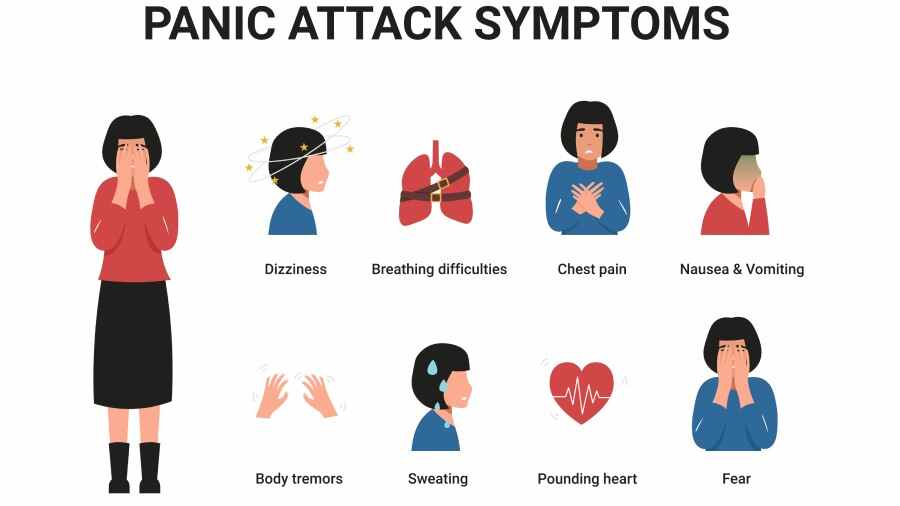
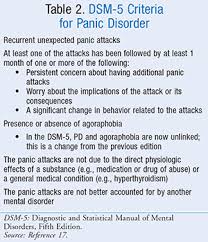
  • Feature: Recurrent, unexpected panic attacks. A panic attack is an abrupt surge of intense fear or discomfort that reaches a peak within minutes, and during which at least four of the following symptoms occur:
    • Palpitations, pounding heart, or accelerated heart rate.
    • Sweating.
    • Trembling or shaking.
    • Sensations of shortness of breath or smothering.
    • Feelings of choking.
    • Chest pain or discomfort.
    • Nausea or abdominal distress.
    • Feeling dizzy, unsteady, lightheaded, or faint.
    • Chills or heat sensations.
    • Paresthesias (numbness or tingling sensations).
    • Derealization (feelings of unreality) or depersonalization (being detached from oneself).
    • Fear of losing control or "going crazy."
    • Fear of dying.
  • Additional Criteria: The panic attacks must be followed by 1 month (or more) of persistent concern or worry about additional panic attacks or their consequences, AND/OR a significant maladaptive change in behavior related to the attacks (e.g., avoidance).
  • Distinction: The key is "unexpected" attacks; if attacks always occur in specific situations, it might indicate a specific phobia with panic features, or agoraphobia.
  • III. Agoraphobia

    • Feature: Marked fear or anxiety about two (or more) of the following five situations:
      1. Using public transportation.
      2. Being in open spaces (e.g., parking lots, marketplaces, bridges).
      3. Being in enclosed spaces (e.g., shops, theaters, cinemas).
      4. Standing in line or being in a crowd.
      5. Being outside of the home alone.
    • Mechanism: Individuals fear these situations because they believe escape might be difficult or help might not be available in the event of developing panic-like symptoms or other incapacitating or embarrassing symptoms.
    • Behavioral Response: The agoraphobic situations almost always provoke fear or anxiety and are actively avoided, require the presence of a companion, or are endured with intense fear or anxiety.
    • Duration: The fear, anxiety, or avoidance is persistent, typically lasting for 6 months or more.

    IV. Social Anxiety Disorder (Social Phobia)

    • Feature: Marked fear or anxiety about one or more social situations in which the individual is exposed to possible scrutiny by others. Examples include social interactions (e.g., having a conversation, meeting unfamiliar people), being observed (e.g., eating or drinking), and performing in front of others (e.g., giving a speech).
    • Central Fear: The individual fears that they will act in a way or show anxiety symptoms that will be negatively evaluated (i.e., they will be humiliated, embarrassed, rejected, or offend others).
    • Behavioral Response: Social situations almost always provoke fear or anxiety and are avoided or endured with intense fear or anxiety.
    • Duration: Persistent, typically lasting for 6 months or more.
    • Impact: Causes significant distress or impairment in social, occupational, or other important areas of functioning.

    V. Specific Phobia

  • Feature: Marked fear or anxiety about a specific object or situation (e.g., flying, heights, animals, receiving an injection, seeing blood).
  • Mechanism: The phobic object or situation almost always provokes immediate fear or anxiety and is actively avoided or endured with intense fear or anxiety.
  • Disproportionate Response: The fear or anxiety is out of proportion to the actual danger posed by the specific object or situation and to the sociocultural context.
  • Duration: Persistent, typically lasting for 6 months or more.
  • Common Subtypes:
    • Animal type: Fear of animals or insects.
    • Natural Environment type: Fear of storms, heights, water.
    • Blood-Injection-Injury type: Fear of seeing blood, receiving an injection, or other invasive medical procedures. This type often involves a vasovagal response (fainting), which is unique.
    • Situational type: Fear of specific situations like flying, elevators, enclosed spaces (distinct from agoraphobia, which is broader).
    • Other type: Fear of choking, vomiting, loud sounds, clowns, etc.
  • VI. Separation Anxiety Disorder

  • Feature: Developmentally inappropriate and excessive fear or anxiety concerning separation from those to whom the individual is attached.
  • Symptoms (at least three):
    • Recurrent excessive distress when anticipating or experiencing separation from home or major attachment figures.
    • Persistent and excessive worry about losing major attachment figures or about possible harm to them.
    • Persistent and excessive worry about an untoward event (e.g., getting lost, being kidnapped) that causes separation from a major attachment figure.
    • Persistent reluctance or refusal to go out, away from home, to school, to work, or elsewhere because of fear of separation.
    • Persistent and excessive fear or reluctance about being alone or without major attachment figures at home or in other settings.
    • Persistent reluctance or refusal to sleep away from home or to go to sleep without being near a major attachment figure.
    • Repeated nightmares involving the theme of separation.
    • Repeated complaints of physical symptoms (e.g., headaches, stomachaches, nausea, vomiting) when separation from major attachment figures occurs or is anticipated.
  • Duration: In children and adolescents, the disturbance lasts for at least 4 weeks; in adults, symptoms must last for 6 months or more.
  • Impact: Causes significant distress or impairment in social, academic, occupational, or other important areas of functioning.
  • Clinical Manifestations or signs and symptoms of different anxiety disorders

    These can be broadly categorized into physiological, cognitive, emotional, and behavioral components.

    I. Physiological (Somatic/Physical) Sensations

    These are the bodily symptoms that arise from the activation of the autonomic nervous system's "fight-or-flight" response. They are often perceived as highly distressing and can even be misinterpreted as signs of serious physical illness (e.g., heart attack, stroke), especially during panic attacks.

  • Cardiovascular:
    • Palpitations: A sensation of a racing, pounding, or irregular heartbeat.
    • Tachycardia: Objectively increased heart rate.
    • Chest Pain/Discomfort: Often described as tightness, pressure, or a dull ache.
    • Flushing or Pallor: Changes in skin color due to blood flow shifts.
    • Elevated Blood Pressure: Transient increase in blood pressure.
  • Respiratory:
    • Shortness of Breath (Dyspnea): Sensation of not getting enough air.
    • Hyperventilation: Rapid, shallow breathing, which can lead to lightheadedness, numbness/tingling.
    • Choking Sensation: Feeling of an inability to swallow or breathe.
  • Neurological:
    • Dizziness/Lightheadedness/Unsteadiness: Feeling faint or off-balance.
    • Trembling/Shaking: Involuntary muscle contractions.
    • Muscle Tension: Stiffness, aches, especially in the neck, shoulders, and back. Can lead to headaches.
    • Paresthesias: Numbness or tingling sensations, often in the extremities or around the mouth.
    • Headaches: Tension headaches are common.
    • Fatigue: Paradoxically, despite heightened arousal, chronic anxiety can lead to exhaustion.
  • Gastrointestinal:
    • Nausea/Stomach Upset: "Butterflies in the stomach," indigestion.
    • Abdominal Pain/Cramps.
    • Diarrhea or Frequent Urination: Increased bowel or bladder activity.
    • Dry Mouth: Due to reduced salivary flow.
  • Dermatological/Other:
    • Sweating: Generalized or localized (e.g., sweaty palms).
    • Chills or Hot Flashes: Fluctuations in body temperature sensation.
    • Difficulty Swallowing: Globus sensation.
  • II. Cognitive Distortions and Preoccupations

    These are the thought patterns and mental processes that characterize anxiety. They involve biased interpretations of information, leading to heightened threat perception.

    • Excessive Worry: Persistent, uncontrollable, and often irrational apprehension about various concerns (hallmark of GAD).
    • Catastrophizing: Tendency to imagine the worst possible outcome in any situation.
    • Negative Self-Talk: Critical and self-deprecating thoughts.
    • Difficulty Concentrating/Mind Going Blank: Preoccupation with worry interferes with focus and attention.
    • Rumination: Repetitive thinking about negative thoughts or situations.
    • Hypervigilance: Increased alertness to potential threats in the environment, constantly scanning for danger.
    • Intrusive Thoughts/Images: Unwanted, distressing thoughts or mental pictures that repeatedly enter the mind (often feared in panic disorder, social anxiety).
    • Fear of Losing Control: Worry about losing sanity, acting inappropriately, or embarrassing oneself.
    • Fear of Dying/Impending Doom: Intense sense of an imminent catastrophe (prominent in panic attacks).
    • Memory Problems: Anxiety can interfere with memory encoding and retrieval.
    • Perfectionism/Self-Criticism: Often seen in GAD and social anxiety, where individuals excessively strive for flawlessness to avoid negative evaluation.

    III. Emotional Responses

    These are the subjective feelings experienced by the individual.

    • Apprehension/Dread: A pervasive sense of unease or foreboding.
    • Irritability: Short temper, easily frustrated, often due to chronic tension and worry.
    • Restlessness/Feeling on Edge: An inability to relax or settle down.
    • Nervousness: General feeling of unease and agitation.
    • Terror/Panic: Intense, overwhelming fear (characteristic of panic attacks).
    • Distress: General feeling of suffering or unhappiness.
    • Embarrassment/Humiliation: Fear of negative evaluation from others (prominent in social anxiety).
    • Frustration: Due to the inability to control worry or avoid feared situations.

    IV. Behavioral Avoidance Patterns

    These are the actions individuals take to reduce or prevent anxiety. While they provide short-term relief, they maintain the anxiety cycle in the long term.

  • Avoidance of Feared Situations/Objects:
    • Social Isolation: Avoiding social gatherings, public speaking, or interactions (Social Anxiety Disorder).
    • Staying Home/Restricted Travel: Avoiding public places, crowds, or being alone outside the home (Agoraphobia).
    • Phobic Avoidance: Actively staying away from specific objects (e.g., spiders, needles) or situations (e.g., flying, heights) (Specific Phobia).
    • School/Work Refusal: In children, refusing to attend school due to fear of separation (Separation Anxiety Disorder).
  • Escape Behaviors: Leaving an anxiety-provoking situation once it has begun (e.g., exiting a crowded store during a panic attack).
  • Safety Behaviors: Actions taken to prevent feared outcomes or reduce anxiety during exposure to feared situations. These can inadvertently reinforce the anxiety (e.g., always carrying medication, drinking alcohol before social events, repeatedly checking doors, seeking constant reassurance, sitting near exits).
  • Physical Restlessness: Fidgeting, pacing, inability to sit still.
  • Procrastination: Avoiding tasks that elicit anxiety.
  • Reassurance Seeking: Repeatedly asking others for validation or confirmation that things are okay.
  • Speech Difficulties: Stuttering, mumbling, or going silent in anxious situations.
  • Freezing: Inability to move or respond, often in highly threatening or feared situations.
  • Diagnostic Assessment Strategies of assessing for anxiety disorders

    A thorough and systematic assessment is crucial for accurate diagnosis, ruling out other conditions, and developing an effective treatment plan for individuals presenting with anxiety symptoms. The assessment process is multifactorial and involves several key components.

    I. Comprehensive History Taking

    This is the cornerstone of any psychiatric assessment and should cover various domains to build a holistic picture of the individual.

    1. Presenting Problem and History of Presenting Illness (HPI):
      • Onset and Course: When did the anxiety symptoms begin? Were there any precipitating factors? Have they been continuous, episodic, or waxing and waning?
      • Nature of Symptoms: Detailed description of the specific anxiety symptoms (physical, cognitive, emotional, behavioral). Ask about frequency, intensity, duration, and specific triggers.
      • Impact on Functioning: How do the symptoms affect daily life (work, school, social relationships, self-care, hobbies)? Quantify impairment (e.g., "how many days a week do you miss work due to anxiety?").
      • Previous Episodes: Has the patient experienced similar symptoms before? What was the outcome?
      • Previous Treatment: What treatments (medication, therapy) have been tried? Were they helpful? Why or why not?
      • Coping Strategies: What does the patient currently do to cope with their anxiety? Are these adaptive or maladaptive?
    2. Psychiatric History:
      • Past Diagnoses: Any history of other mental health conditions (depression, bipolar disorder, psychosis, substance use disorders, eating disorders)?
      • Hospitalizations: Any previous psychiatric hospitalizations? Reasons and outcomes.
      • Suicidality/Self-Harm: Any current or past suicidal ideation, plans, attempts, or self-harm behaviors? This is paramount for safety assessment.
      • Family Psychiatric History: History of mental illness, particularly anxiety disorders, in first-degree relatives.
    3. Medical History:
      • Current Medical Conditions: Chronic diseases (e.g., thyroid disorders, cardiac conditions, respiratory illnesses like asthma/COPD, neurological disorders, pheochromocytoma) can mimic or exacerbate anxiety symptoms.
      • Medications: Current prescription and over-the-counter medications (some can cause anxiety as a side effect, e.g., corticosteroids, stimulants, certain decongestants).
      • Substance Use: Detailed history of alcohol, illicit drug, nicotine, and caffeine use. Substance use can induce anxiety or be used as a maladaptive coping mechanism.
      • Allergies: To medications.
    4. Personal and Social History:
      • Developmental History: Early childhood experiences, temperament, early separation experiences.
      • Education and Occupation: Current and past educational attainment, employment history, work satisfaction, stressors.
      • Relationships: Marital status, significant relationships, social support network, family dynamics.
      • Trauma History: Any history of abuse (physical, emotional, sexual), neglect, or other traumatic experiences.
      • Cultural and Spiritual Background: How these factors influence their understanding of illness and treatment preferences.
      • Living Situation: Stable housing, safety concerns.

    II. Mental Status Examination (MSE)

    The MSE is a snapshot of the patient's current mental state.

    • Appearance and Behavior: Note signs of anxiety (restlessness, fidgeting, tense posture, tremor, perspiration, worried facial expression, avoidance of eye contact, psychomotor agitation or retardation).
    • Speech: Rate (rapid, pressured, slow), rhythm, volume, tone.
    • Mood: The patient's subjective emotional state (e.g., anxious, nervous, irritable, dysphoric).
    • Affect: The interviewer's objective observation of the patient's emotional expression (e.g., anxious, constricted, reactive, labile). Note congruence with mood.
    • Thought Process: The how of thinking. In anxiety, often characterized by racing thoughts, distractibility, difficulty concentrating.
    • Thought Content: The what of thinking. Look for preoccupations, obsessions, compulsions, phobias, ruminations, suicidal/homicidal ideation, delusions (rare in anxiety disorders, but important to rule out).
    • Perceptual Disturbances: Hallucinations or illusions (generally absent in anxiety disorders, except in severe panic where transient derealization/depersonalization can occur).
    • Cognition: Assess orientation (person, place, time), attention, concentration, memory. Anxiety can impair these.
    • Insight: Patient's understanding of their illness, its causes, and need for treatment. Often reduced in severe anxiety.
    • Judgment: Patient's ability to make sound decisions and understand consequences. Can be impaired by overwhelming anxiety.

    III. Use of Standardized Screening and Assessment Tools

    These tools help quantify symptom severity, track progress, and aid in diagnosis. They are not diagnostic on their own but supplement clinical judgment.

  • General Anxiety Screens:
    • Generalized Anxiety Disorder 7-item (GAD-7) Scale: A widely used, brief self-report questionnaire for screening and severity assessment of GAD.
    • Hamilton Anxiety Rating Scale (HAM-A): Clinician-rated scale assessing psychic and somatic anxiety.
    • Beck Anxiety Inventory (BAI): Self-report measure assessing the severity of anxiety symptoms.
  • Specific Disorder Scales:
    • Panic Disorder Severity Scale (PDSS): For Panic Disorder.
    • Liebowitz Social Anxiety Scale (LSAS): For Social Anxiety Disorder.
    • Yale-Brown Obsessive Compulsive Scale (Y-BOCS): While OCD is separate, this is the gold standard for measuring OCD symptoms.
  • Phobia-Specific Scales: For specific phobias, often tailored to the feared object/situation.
  • IV. Differential Diagnosis Considerations

    This crucial step involves ruling out other conditions that can present with similar symptoms.

    1. Medical Conditions:
      • Cardiovascular: Myocardial infarction, arrhythmias, mitral valve prolapse, angina.
      • Respiratory: Asthma, COPD, hyperventilation syndrome, pulmonary embolism.
      • Endocrine: Hyperthyroidism, hypoglycemia, pheochromocytoma, Cushing's disease.
      • Neurological: Seizure disorders (temporal lobe epilepsy), vestibular dysfunction, brain tumors.
      • Other: Anemia, vitamin B12 deficiency.
      • Nursing Action: Order relevant labs (e.g., CBC, thyroid function tests, electrolytes, glucose, EKG, urine toxicology) based on clinical suspicion.
    2. Substance-Induced Anxiety Disorder:
      • Intoxication: Caffeine, stimulants (amphetamines, cocaine), cannabis, hallucinogens.
      • Withdrawal: Alcohol, benzodiazepines, opioids.
      • Medication Side Effects: Corticosteroids, bronchodilators, decongestants, certain antidepressants (initial phase).
    3. Other Psychiatric Disorders:
      • Depressive Disorders: Often co-occur with anxiety. Differentiate primary anxiety from anxiety symptoms secondary to depression.
      • Bipolar Disorder: Manic or hypomanic episodes can involve agitation, racing thoughts, and restlessness that mimic anxiety. Mixed episodes can be particularly challenging.
      • Obsessive-Compulsive Disorder (OCD): While sharing anxiety, OCD is characterized by obsessions and compulsions.
      • Post-Traumatic Stress Disorder (PTSD) & Acute Stress Disorder: Related to specific trauma exposure, featuring re-experiencing, avoidance, negative alterations in cognitions/mood, and arousal/reactivity symptoms.
      • Psychotic Disorders: Early psychosis can sometimes present with extreme anxiety and paranoid thoughts.
      • Eating Disorders: Anxiety around food, weight, and body image is central.
      • Personality Disorders: Certain personality traits (e.g., avoidant, dependent) can be associated with chronic anxiety.

    Nursing Diagnoses and Specific Nursing Interventions

    Nursing Diagnosis 1: Excessive Anxiety (Acute or Chronic)

    Related to: perceived threat to self-concept, unmet needs, situational crisis, or stress, as evidenced by increased verbalization of worry, restlessness, irritability, poor concentration, insomnia, and increased heart rate/blood pressure.

    Interventions & Rationales:

    InterventionDetail/Rationale
    1. Establish a Therapeutic Relationship
    • Intervention: Maintain a calm, empathetic, and reassuring demeanor. Use active listening. Provide a safe and confidential environment.
    • Rationale: A trusting relationship fosters a sense of security, reduces feelings of isolation, and encourages the patient to express feelings openly.
    • Expected Outcome: Patient verbalizes feeling safe and understood.
    2. Provide a Safe and Structured Environment
    • Intervention: Reduce environmental stimuli (e.g., dim lights, quiet area). Maintain a consistent daily routine.
    • Rationale: Decreased external stimulation can reduce sensory overload and help the patient regain a sense of control and predictability, which is calming.
    • Expected Outcome: Patient demonstrates reduced psychomotor agitation and restlessness.
    3. Teach and Facilitate Relaxation Techniques
    • Intervention: Guide the patient through deep breathing exercises (e.g., diaphragmatic breathing), progressive muscle relaxation, guided imagery, or mindfulness techniques.
    • Rationale: These techniques activate the parasympathetic nervous system, counteracting the "fight-or-flight" response, reducing physiological arousal, and improving sense of control.
    • Expected Outcome: Patient reports using relaxation techniques and experiencing a decrease in anxiety symptoms (e.g., lower heart rate, increased calm).
    4. Promote Effective Coping Strategies
    • Intervention: Explore current coping mechanisms. Help the patient identify and replace maladaptive strategies (e.g., avoidance, substance use) with adaptive ones (e.g., problem-solving, assertiveness, engaging in hobbies).
    • Rationale: Empowering patients with healthy coping skills improves their ability to manage stress and anxiety proactively.
    • Expected Outcome: Patient identifies and utilizes at least three healthy coping strategies when feeling anxious.
    5. Encourage Verbalization of Feelings and Concerns
    • Intervention: Use open-ended questions. Reflect feelings back to the patient. Validate their experience ("It sounds like you're feeling overwhelmed").
    • Rationale: Expressing emotions can reduce internal tension and provide an opportunity to process anxieties. Validation helps the patient feel understood and reduces feelings of isolation.
    • Expected Outcome: Patient verbalizes feelings, fears, and concerns without excessive rumination.
    6. Administer Anxiolytic Medications as Prescribed (if applicable)
    • Intervention: Administer medications (e.g., benzodiazepines, SSRIs) as ordered. Educate about purpose, dosage, side effects, and precautions.
    • Rationale: Pharmacotherapy can help manage severe anxiety symptoms, making the patient more receptive to other therapeutic interventions. Patient education promotes adherence and safety.
    • Expected Outcome: Patient experiences reduced acute anxiety symptoms with minimal side effects; verbalizes understanding of medication regimen.

    Nursing Diagnosis 2: Ineffective Coping

    Related to: perceived lack of control, high-stress levels, and inadequate problem-solving skills, as evidenced by avoidance behaviors, social isolation, substance abuse, or inability to meet role expectations.

    Interventions & Rationales:

    InterventionDetail/Rationale
    1. Collaborate on Problem-Solving Skills
    • Intervention: Help the patient identify specific stressors, brainstorm possible solutions, evaluate pros and cons, and implement a plan. Focus on small, achievable steps.
    • Rationale: Enhancing problem-solving skills increases the patient's sense of control and self-efficacy, reducing feelings of helplessness.
    • Expected Outcome: Patient actively participates in problem-solving and implements identified solutions.
    2. Challenge Maladaptive Thought Patterns (Cognitive Restructuring)
    • Intervention: Help the patient identify anxious thoughts and cognitive distortions (e.g., catastrophizing, overgeneralization). Guide them to reframe these thoughts into more realistic and positive ones (e.g., "What is the evidence for this thought? What's an alternative explanation?").
    • Rationale: Cognitive Behavioral Therapy (CBT) principles help patients recognize the link between thoughts, feelings, and behaviors, enabling them to modify unhelpful thinking styles that fuel anxiety.
    • Expected Outcome: Patient identifies and challenges at least one maladaptive thought, replacing it with a more balanced perspective.
    3. Promote Gradual Exposure and Desensitization (for specific phobias, agoraphobia, social anxiety)
    • Intervention: In collaboration with therapy team, guide patient through a hierarchy of feared situations/objects, starting with least threatening, gradually increasing exposure while using relaxation techniques.
    • Rationale: Repeated, controlled exposure with anxiety management allows for habituation and extinction of the fear response, reducing avoidance.
    • Expected Outcome: Patient tolerates progressively higher levels of exposure to feared situations/objects with reduced anxiety.
    4. Encourage Social Engagement and Support Systems
    • Intervention: Explore the patient's social network. Facilitate connections with supportive family, friends, or support groups. Role-play social interactions if needed.
    • Rationale: Social support reduces feelings of isolation, provides validation, and offers alternative perspectives, which are crucial for overcoming avoidance and improving social skills.
    • Expected Outcome: Patient initiates contact with at least one support person or attends a support group meeting.
    5. Psychoeducation on Anxiety Disorders
    • Intervention: Provide information about the nature of anxiety, common symptoms, the "fight-or-flight" response, and effective management strategies.
    • Rationale: Understanding the disorder demystifies the experience, reduces self-blame, and empowers the patient to actively participate in their treatment.
    • Expected Outcome: Patient verbalizes understanding of their anxiety disorder and its management.

    Nursing Diagnosis 3: Disrupted Sleep Pattern

    Related to: anxiety, hypervigilance, and intrusive thoughts, as evidenced by verbal complaints of difficulty falling asleep/staying asleep, fatigue, irritability, and decreased daytime functioning.

    Interventions & Rationales:

    InterventionDetail/Rationale
    1. Implement Sleep Hygiene Measures
    • Intervention: Educate about consistent sleep schedule, creating a dark/quiet/cool bedroom, avoiding caffeine/nicotine/alcohol before bed, limiting screen time before bed, and avoiding heavy meals late at night.
    • Rationale: Good sleep hygiene optimizes physiological and psychological conditions conducive to sleep, reducing factors that interfere with sleep onset and maintenance.
    • Expected Outcome: Patient reports improved sleep quality and quantity.
    2. Teach Relaxation Techniques Before Bed
    • Intervention: Encourage use of deep breathing, progressive muscle relaxation, or quiet reading 30-60 minutes before desired bedtime.
    • Rationale: These techniques help calm the mind and body, reducing anxiety-induced hyperarousal that interferes with sleep.
    • Expected Outcome: Patient uses relaxation techniques prior to sleep and falls asleep more easily.
    3. Address Nighttime Worries
    • Intervention: Suggest a "worry time" earlier in the day to process concerns. Encourage journaling thoughts and making a "to-do" list for the next day before bed.
    • Rationale: Externalizing worries before bedtime can reduce the likelihood of intrusive thoughts interfering with sleep.
    • Expected Outcome: Patient reports fewer intrusive thoughts at bedtime.
    4. Limit Daytime Napping
    • Intervention: Advise limiting or avoiding daytime naps, especially long ones.
    • Rationale: Excessive daytime napping can disrupt the natural sleep-wake cycle, making it harder to sleep at night.
    • Expected Outcome: Patient limits daytime naps and reports better nocturnal sleep.

    Nursing Diagnosis 4: Risk for Impaired Social Interaction

    Related to: fear of negative evaluation, avoidance behaviors, or social withdrawal, as evidenced by verbalized reluctance to attend social events, lack of eye contact, and reports of loneliness.

    Interventions & Rationales:

    InterventionDetail/Rationale
    1. Gradual Re-engagement in Social Activities
    • Intervention: Collaboratively identify small, manageable social interactions. Encourage practicing social skills (e.g., initiating conversation, maintaining eye contact) in a safe environment (e.g., with nursing staff).
    • Rationale: Gradual exposure to social situations helps desensitize the patient to social anxiety, builds confidence, and challenges avoidance patterns.
    • Expected Outcome: Patient participates in at least one social interaction or activity per day/week.
    2. Role-Playing and Social Skills Training
    • Intervention: Engage in role-playing various social scenarios. Provide constructive feedback on communication, body language, and assertion.
    • Rationale: Practicing social skills in a supportive environment reduces performance anxiety and enhances self-efficacy in real-life social situations.
    • Expected Outcome: Patient demonstrates improved social skills (e.g., makes eye contact, initiates brief conversations).
    3. Identify and Challenge Negative Self-Perceptions
    • Intervention: Help the patient identify self-critical thoughts about social abilities or worth. Encourage them to focus on strengths and past social successes.
    • Rationale: Addressing cognitive distortions related to self-worth can reduce the fear of negative evaluation that fuels social anxiety.
    • Expected Outcome: Patient verbalizes more positive self-perceptions regarding social interactions.

    Evaluate Treatment Effectiveness.

    This involves monitoring, collaboration with the patient, and flexibility in adjusting strategies.

    I. Methods for Assessing Effectiveness of Interventions

    Assessing effectiveness involves gathering both subjective and objective data over time.

    1. Patient Self-Report:
      • Subjective Symptom Ratings: Regularly ask patients to rate their anxiety levels (e.g., on a 0-10 scale) before and after interventions, or at regular intervals (daily, weekly).
      • Thought Records: Review patient-kept journals that track anxiety triggers, thoughts, feelings, and coping strategies used. This provides insight into their internal experience and patterns.
      • Verbal Feedback: Encourage patients to openly discuss what is working, what isn't, and why. "How have you been feeling since we started...?" "What changes have you noticed?"
      • Goal Attainment Scaling: If specific, measurable goals were set, assess the patient's progress towards achieving them.
    2. Standardized Rating Scales (Re-administration):
      • Baseline vs. Follow-up: Re-administer the same screening and assessment tools used at baseline (e.g., GAD-7, BAI, LSAS) at regular intervals (e.g., monthly, quarterly).
      • Comparison: Compare follow-up scores to baseline scores to objectively measure changes in symptom severity. A clinically significant reduction in scores indicates effectiveness.
    3. Behavioral Observation:
      • Direct Observation: Note changes in observable behaviors such as restlessness, fidgeting, social withdrawal, eye contact, speech patterns, and overall demeanor.
      • Activity Levels: Monitor participation in social activities, self-care, work, or school.
      • Engagement in Coping Strategies: Observe if the patient is actually utilizing learned relaxation techniques, engaging in problem-solving, or facing feared situations.
    4. Physiological Measures (if applicable/accessible):
      • Vital Signs: Monitor trends in heart rate, blood pressure, and respiratory rate, especially if these were initially elevated due to anxiety.
      • Sleep Patterns: Use sleep diaries or actigraphy (if available) to objectively track sleep onset latency, duration, and awakenings.
    5. Feedback from Collateral Sources (with patient consent):
      • Family/Friends: Inquire about their observations regarding the patient's anxiety, functioning, and response to interventions.
      • Other Healthcare Providers: Collaborate with therapists, physicians, or other team members for their insights into the patient's progress.
    6. Functional Improvement:
      • Role Performance: Assess improvements in occupational, academic, or social functioning.
      • Quality of Life: Evaluate the patient's overall satisfaction with life and ability to engage in meaningful activities.

    II. Strategies for Adjusting the Care Plan

    Based on the ongoing evaluation, the care plan should be a living document that is frequently reviewed and modified.

    1. If Interventions are Effective (Goals Met/Progress Made):
      • Reinforce and Maintain: Continue effective interventions. Reinforce positive coping behaviors and strategies.
      • Advance Goals: Set new, more challenging goals. For example, if a patient is tolerating a specific feared situation, identify the next step in the exposure hierarchy.
      • Phase Out Intensive Support: Gradually reduce the frequency of contact or intensity of certain interventions as the patient gains independence.
      • Focus on Relapse Prevention: Begin discussing strategies for maintaining gains and recognizing early warning signs of relapse.
      • Transfer of Skills: Encourage the patient to generalize learned skills to new situations and challenges.
    2. If Interventions are Ineffective (No Progress/Worsening Symptoms):
      • Re-evaluate Assessment Data:
        • Diagnosis Review: Is the initial diagnosis accurate? Could there be co-occurring conditions (e.g., depression, substance use, underlying medical condition) that were missed or are worsening?
        • Compliance/Adherence: Is the patient consistently engaging in the interventions (e.g., taking medication as prescribed, practicing relaxation techniques, attending therapy)? If not, explore barriers (e.g., side effects, lack of motivation, practical challenges).
        • Patient Readiness/Motivation: Is the patient truly ready for change? Are there secondary gains from remaining anxious?
        • Environmental Stressors: Have new stressors emerged that are overwhelming the current coping mechanisms?
      • Modify Existing Interventions:
        • Adjust Intensity/Frequency: Increase the frequency of relaxation practice, exposure sessions, or cognitive restructuring exercises.
        • Simplify: Break down complex interventions into smaller, more manageable steps.
        • Adapt to Learning Style: Present information or teach skills in a different way (e.g., visual aids, hands-on practice).
      • Introduce New Interventions:
        • Pharmacological Review: Consult with the physician about adjusting medication dosage, switching to a different medication, or adding an augmentation strategy.
        • Referral to Other Specialties: Consider referral to a specialist (e.g., psychiatrist, psychologist specializing in CBT/DBT, trauma therapist, occupational therapist) if the current team's expertise is insufficient.
        • Explore Alternative Therapies: Discuss complementary approaches if appropriate and desired by the patient (e.g., yoga, acupuncture, massage, dietary changes), ensuring they are evidence-informed and do not interfere with primary treatment.
      • Address Barriers Directly: If non-adherence is an issue, engage in collaborative problem-solving to overcome obstacles (e.g., simplify medication schedule, address transportation issues for appointments).
      • Re-establish Therapeutic Goals: If initial goals were too ambitious or unclear, revise them to be more realistic and patient-centered.
    3. Collaborative Decision-Making:
      • Patient Involvement: Always involve the patient in the evaluation and modification process. Their input is invaluable. Present options and discuss preferences.
      • Interdisciplinary Team: Share findings and discuss adjustments with the entire healthcare team (physician, therapist, social worker, family).

    Quick Quiz

    Anxiety Disorders Quiz

    Mental Health

    Privacy: Your details are used only for quiz tracking and certificates.

    Anxiety Disorders Read More ยป

    Substance Use Disorder (SUD)

    Before we define SUD, lets first understand key terms. The Diagnostic and Statistical Manual of Mental Disorders, Fifth Edition (DSM-5), provides the standardized criteria used by clinicians.

    Drug abuse or substance abuse refers to the use of certain chemicals for the purpose of creating pleasurable effects on the brain, altering normal bodily functions, emotions, and thoughts. There are over 190 million drug users around the world and the problem has been increasing at alarming rates, especially among young adults under the age of 30.

    I. Key Terms and Definitions

    1. Substance: Any natural or synthesized chemical that, when taken into the body, alters its functioning. This includes psychoactive substances like alcohol, illicit drugs, prescription medications used non-medically, and even substances like caffeine and nicotine.
    2. Substance Use: The consumption of a substance. This is a broad term that can range from experimental or recreational use (e.g., having a glass of wine with dinner) to problematic use. Not all substance use is problematic or constitutes a disorder.
    3. Substance Intoxication: A reversible syndrome of symptoms resulting from the recent ingestion of a substance. These symptoms are specific to the substance and manifest as clinically significant problematic behavioral or psychological changes (e.g., belligerence, mood lability, impaired cognition) that developed during or shortly after substance ingestion.
      • Example: Acute alcohol intoxication leading to slurred speech, unsteady gait, and impaired judgment.
    4. Substance Withdrawal: A syndrome that develops shortly after the cessation of (or reduction in) prolonged, heavy substance use. The symptoms are specific to the substance and cause clinically significant distress or impairment in social, occupational, or other important areas of functioning.
      • Example: Alcohol withdrawal characterized by tremors, sweating, anxiety, and potentially seizures or delirium tremens.
    5. Tolerance: A need for markedly increased amounts of the substance to achieve intoxication or desired effect, OR a markedly diminished effect with continued use of the same amount of the substance. This is a physiological adaptation.
    6. Craving: An intense desire or urge for the substance. This is a psychological component, often a powerful driver of continued use and relapse.
    7. Substance dependence: Refers to a compulsive use and continuous relying on a specific substance for both physical and psychological relief with an inability to stop its usage even after significant problems in everyday functioning have developed.
    8. Addiction & Dependence: A complex set of behaviors developing over time and with higher dosages, resulting from the interactions of a person and a drug. The person has a compulsion to continue taking the drug to experience pleasurable psychological effects and sometimes to avoid severe discomfort due to withdrawal.
      • Physical dependence: Occurs when a person stops using narcotics and develops physiological withdrawal symptoms.
      • Psychological dependence: Using the drug for personal satisfaction and craving it, even if the risks and harms are known to the user.
    9. Tolerance: Refers to a need for increased amounts of a substance to attain the desired effect.

    Substance Use Disorder (SUD) - According to DSM-5

    The DSM-5 no longer separates "substance abuse" and "substance dependence" into distinct diagnoses. Instead, it combines them into a single diagnostic category: Substance Use Disorder (SUD), which is measured on a continuum from mild to severe.

    A Substance Use Disorder is characterized by a problematic pattern of substance use leading to clinically significant impairment or distress.
    It is diagnosed by the presence of at least two of the following 11 criteria occurring within a 12-month period:

    Impaired Control (Criteria 1-4):

    1. Taken in larger amounts or over a longer period than was intended: The individual uses more of the substance or for a longer duration than they initially planned.
    2. Persistent desire or unsuccessful efforts to cut down or control use: The individual wants to reduce or stop use but struggles to do so.
    3. A great deal of time is spent in activities necessary to obtain the substance, use the substance, or recover from its effects: The individual's life revolves around the substance.
    4. Craving, or a strong desire or urge to use the substance: The individual experiences intense urges.

    Social Impairment (Criteria 5-7):

    1. Recurrent substance use resulting in a failure to fulfill major role obligations at work, school, or home: Use interferes with responsibilities (e.g., missing work, neglecting children).
    2. Continued substance use despite having persistent or recurrent social or interpersonal problems caused or exacerbated by the effects of the substance: Use continues even when it's damaging relationships.
    3. Important social, occupational, or recreational activities are given up or reduced because of substance use: Activities once enjoyed are replaced by substance-seeking/using.

    Risky Use (Criteria 8-9):

    1. Recurrent substance use in situations in which it is physically hazardous: Using in dangerous situations (e.g., driving under the influence, using needles unsafely).
    2. Continued substance use despite knowledge of having a persistent or recurrent physical or psychological problem that is likely to have been caused or exacerbated by the substance: The individual knows the substance is harming their health but continues to use.

    Pharmacological Criteria (Criteria 10-11):

    1. Tolerance: (As defined above) Need for increased amounts to achieve effect, or diminished effect with continued use of the same amount. Note: This criterion is not met for some substances if used medically under appropriate supervision.
    2. Withdrawal: (As defined above) Characteristic withdrawal syndrome when substance use is reduced or stopped, or the substance is taken to relieve or avoid withdrawal symptoms. Note: This criterion is not met for some substances if used medically under appropriate supervision.

    III. Severity Specifiers

    Based on the number of criteria met, SUDs are specified by severity:

    • Mild SUD: 2-3 criteria met
    • Moderate SUD: 4-5 criteria met
    • Severe SUD: 6 or more criteria met

    IV. Differentiating from Past Terminology

    • "Substance Abuse" (DSM-IV): Implied a pattern of use leading to negative consequences but without physiological dependence. This term is largely replaced by the broader SUD diagnosis.
    • "Substance Dependence" (DSM-IV): Implied a compulsive pattern of use with physiological symptoms like tolerance and withdrawal. This is now encompassed within the severe end of the SUD spectrum.

    Epidemiology and Prevalence of SUDs

    SUDs are a major public health concern globally. They affect millions of people of all ages, socioeconomic statuses, and background. In a typical year, millions of Americans (aged 12 or older) report having an SUD in the past year. This includes significant numbers for alcohol use disorder, illicit drug use disorder, and prescription drug misuse.

    • Alcohol Use Disorder (AUD): Often the most prevalent SUD.
    • Illicit Drug Use Disorder: Includes cannabis, cocaine, heroin, hallucinogens, inhalants, methamphetamine, and misuse of prescription medications (pain relievers, tranquilizers, stimulants, sedatives). Opioid use disorder (including heroin and prescription pain relievers) remains a significant crisis.
    • Co-occurrence with Mental Illness: There is a very high rate of co-occurrence between SUDs and other mental health disorders (often referred to as "dual diagnosis" or "co-occurring disorders"). More than half of individuals with an SUD also have a mental illness, and vice-versa. This complicates treatment and often leads to poorer outcomes if not addressed integratively.

    Etiology and Risk Factors for SUDs

    Addiction is not a moral failing but a disease with identifiable risk factors that increase an individual's vulnerability. These factors can be broadly categorized:

    1. Genetic/Biological Factors:

    • Family History: Genetics account for 40-60% of an individual's vulnerability to SUDs. Having a first-degree relative with an SUD significantly increases risk.
    • Genetic Predisposition: Specific genes may influence how a person responds to substances (e.g., how they metabolize alcohol, the sensitivity of their reward pathways).
    • Neurobiological Vulnerability: Differences in brain structure and function, particularly in areas related to impulse control, stress response, and reward processing, can increase risk.

    2. Psychological Factors:

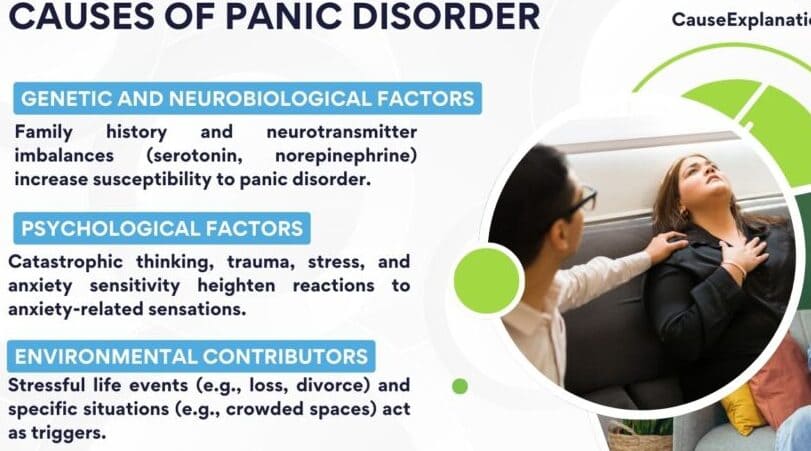
    • Mental Health Disorders: Pre-existing mental illnesses (e.g., depression, anxiety disorders, PTSD, ADHD, bipolar disorder, schizophrenia) significantly increase the risk of developing an SUD. Individuals may use substances to self-medicate distressing symptoms.
    • Trauma: A history of trauma (e.g., childhood abuse, neglect, combat exposure, sexual assault) is a major risk factor. Trauma can alter brain chemistry and increase vulnerability to both mental health disorders and SUDs.
    • Personality Traits: Traits such as impulsivity, sensation-seeking, poor self-regulation, low self-esteem, and difficulty coping with stress can contribute to increased risk.
    • Coping Deficits: Lack of healthy coping mechanisms to manage stress, emotions, or life challenges can lead individuals to turn to substances.

    3. Social/Environmental Factors:

    • Early Exposure: Early initiation of substance use (especially during adolescence when the brain is still developing) is a strong predictor of later SUD.
    • Peer Pressure/Social Networks: Association with peers who use substances significantly increases the likelihood of an individual using and developing an SUD.
    • Family Environment: Parental substance use, lack of parental supervision, family conflict, weak family bonds, and inconsistent discipline are risk factors.
    • Socioeconomic Status: Poverty, unemployment, homelessness, and lack of educational opportunities are associated with higher rates of SUDs.
    • Culture and Community Norms: Cultural attitudes toward substance use, availability of substances, and community-level stressors (e.g., discrimination, violence) play a role.
    • Stress: Chronic stress from various sources (work, relationships, financial) can increase vulnerability.

    Common Causes and Triggers:

    • Curiosity / Experimentation: Wanting to know the taste or effect of the drug.
    • Peer Pressure: Wanting to belong and be accepted in certain groups (e.g., groups of heavy drinkers or drug users).
    • Escapism / Stress Relief: Intermittent use of drugs for social or emotional reasons rather than medical reasons (e.g., drinking alcohol to relieve stress, forget problems, or manage depression).
    • Psychological & Emotional Factors: Depression, anxiety, failure in exams, break-up of relationships, illegal relationships, or low self-esteem.
    • Socio-Economic Factors: Unemployment, financial burdens, poverty, heavy work pressure, and socio-civilization culture.
    • Medical / Biological Factors: Genetics (a family history of addiction from generation to generation), ADHD in children, or the continuous use of a prescribed drug for a long time leading to iatrogenic addiction.
    • Systemic Factors: Easy availability and access to drugs, weak drug enforcement laws, and irrational drug use.
    • Other Factors: Sexual involvement and recreational purposes.

    III. Categories of Drugs of Abuse

    StimulantsDepressantsHallucinogensNarcotics
    Action: Stimulate the brain and central nervous system, increase mental alertness, and decrease appetite.

    Effects: Alertness, increased energy, restlessness, confusion, increased breathing/heart rate, elevated BP. (Paradoxical post-use weakness).

    Examples: Cocaine, Nicotine, Amphetamine.
    Action: Reduce normal body activity, function, or instinctive desires (such as appetite). Also known as "downers".

    Effects: Highly addictive, produces sedation, dizziness, hypnosis, anxiety relief. Can permanently damage the developing fetus.

    Examples: Alcohol, Barbiturates, Cannabis, Opioids, Volatile solvents (spirit, petrol, chloroform, thinner).
    Action: Alter sensory processing in the brain, causing perceptual disturbances, changes in thought processing, and depersonalization.

    Types/Examples:
    • Psychedelics: LSD
    • Dissociatives: Magic Mushrooms
    • Deliriants: Datura
    Action: Bind to opioid receptors in the central nervous system. Used medically to treat moderate to severe pain.

    Note: Includes natural opiates (from opium) and synthetic opioids not made directly from opium.

    Examples: Morphine, Codeine, Tramadol.

    Theories Behind the Development of Addiction

    Addiction is generally understood through a biopsychosocial model, integrating various theoretical perspectives:

    1. Neurobiological Theories (Disease Model):

    • Reward Pathway Dysregulation: Substances flood the brain's reward system (mesolimbic dopamine pathway) with dopamine, producing intense pleasure. With repeated use, the brain adapts, reducing its natural dopamine production and making natural rewards less pleasurable. This leads to a need for more of the substance to achieve the same effect (tolerance) and a powerful drive to seek the substance.
    • Brain Changes: Chronic substance use causes long-lasting changes in brain structure and function in areas controlling executive function (prefrontal cortex), judgment, decision-making, memory, learning, and behavioral control. These changes contribute to compulsive drug-seeking behavior and impaired impulse control despite negative consequences.
    • Genetics: Genetic predispositions influence the brain's vulnerability to these changes.

    2. Psychological Theories:

    • Learning Theory (Conditioning): Substance use becomes a learned behavior. Positive reinforcement (euphoria, reduced anxiety) drives initial use. Negative reinforcement (relief from withdrawal or distress) maintains use. Cues associated with substance use (people, places, objects) become conditioned stimuli that trigger craving and relapse.
    • Cognitive Theory: Focuses on thoughts and beliefs. Individuals may develop cognitive distortions (e.g., "I can only relax with alcohol," "I need drugs to be creative"). Expectations about substance effects and self-efficacy (belief in one's ability to cope) also play a role.
    • Psychodynamic Theory: Views substance use as a defense mechanism or a way to cope with underlying psychological conflicts, unresolved trauma, or emotional pain.

    3. Sociocultural Theories:

    • Social Learning: Individuals learn substance use behaviors and attitudes from observing others (family, peers, media).
    • Cultural Influences: Societal norms, cultural traditions, and legal/policy environments shape access and attitudes toward substance use.
    • Social Disintegration: Factors like poverty, lack of social support, and community disorganization can contribute to higher rates of SUDs.

    Common Substances of Abuse

    This objective requires a comprehensive understanding of the physiological and psychological impact of various psychoactive substances.

    I. Alcohol (Ethanol)

    • Mechanism of Action: Primarily a Central Nervous System (CNS) depressant. Enhances the effects of GABA (inhibitory) and inhibits the effects of glutamate (excitatory). Also affects dopamine and serotonin.
    • Acute Effects (Low Dose): Relaxation, disinhibition, mild euphoria, impaired judgment, reduced coordination, slurred speech.
    • Intoxication Syndrome:
      • Symptoms: Increasing CNS depression (ataxia, slurred speech, nystagmus, impaired memory/cognition), mood lability, aggressive behavior.
      • Severe Intoxication/Overdose: Respiratory depression, aspiration risk, stupor/coma, hypotension, hypothermia, ultimately death if untreated. Blood Alcohol Content (BAC) levels correlate with severity.
    • Withdrawal Symptoms (Onset 6-24 hours after last drink, peaks 24-72 hours, can last days to weeks):
      • Early/Minor: Tremors, anxiety, nausea, vomiting, diaphoresis, headache, insomnia, hypertension, tachycardia.
      • Intermediate: Alcoholic hallucinosis (visual, auditory, tactile hallucinations with intact orientation).
      • Severe: Withdrawal Seizures (generalized tonic-clonic), Delirium Tremens (DTs): a medical emergency characterized by severe disorientation, agitation, marked tremors, hallucinations, severe autonomic instability (tachycardia, hypertension, fever, diaphoresis). Can be fatal if untreated.

    II. Opioids (Heroin, Fentanyl, Oxycodone, Morphine, Hydrocodone, etc.)

    • Mechanism of Action: Bind to opioid receptors (mu, kappa, delta) in the brain, spinal cord, and GI tract, mimicking endogenous opioids (endorphins). This inhibits pain signals, produces euphoria, and depresses CNS function.
    • Acute Effects (Low Dose): Analgesia, euphoria, sedation, constipation, pupil constriction (miosis), respiratory depression.
    • Intoxication Syndrome:
      • Symptoms: Pinpoint pupils, respiratory depression (slow, shallow breathing), altered mental status (drowsiness, lethargy), bradycardia, hypotension.
      • Overdose: Profound respiratory depression (can lead to respiratory arrest), coma, hypoxia, cyanosis, aspiration, death. Naloxone (Narcan) is an opioid antagonist used to reverse overdose.
    • Withdrawal Symptoms (Onset varies by half-life, e.g., short-acting: 6-12 hrs; long-acting: 24-72 hrs. Can last 5-10 days for acute, protracted withdrawal for months):
      • Symptoms: Highly unpleasant but rarely life-threatening. Intense craving, dysphoria, anxiety, irritability, muscle aches, lacrimation (tearing), rhinorrhea (runny nose), pupillary dilation (mydriasis), piloerection ("goosebumps"), nausea, vomiting, diarrhea, abdominal cramping, yawning, fever, insomnia.

    III. Stimulants (Cocaine, Amphetamines, Methamphetamine, Methylphenidate, MDMA/Ecstasy)

    • Mechanism of Action: Primarily increase the release of and/or block the reuptake of dopamine, norepinephrine, and serotonin in the CNS.
    • Acute Effects (Low Dose): Increased energy and alertness, euphoria, decreased appetite, increased heart rate and blood pressure, talkativeness, enhanced self-esteem.
    • Intoxication Syndrome:
      • Symptoms: Hyperactivity, agitation, paranoia, psychosis (hallucinations, delusions), dilated pupils, tachycardia, hypertension, chest pain, arrhythmias, hyperthermia, seizures.
      • Overdose: Severe cardiovascular events (myocardial infarction, stroke), hyperthermic crisis, severe psychosis, seizures, rhabdomyolysis, renal failure, death.
    • Withdrawal Symptoms (Onset hours to days, lasts days to weeks, often called "Crash"):
      • Symptoms: Profound dysphoria, fatigue, hypersomnia, increased appetite, vivid unpleasant dreams, psychomotor retardation or agitation, severe depression (often with suicidal ideation), intense craving. Not typically life-threatening physically, but severe psychological distress.
    • Overview: Cocaine is one of the most harmful psychoactive drugs. Common street names include crack, coke, snow.
    • Signs and Symptoms of Abuse: Increased agitation, disinhibition, changes in concentration and focus, common cold-like symptoms, and increased movements.
    • Long-Term Psychological Disorders: A long-term user may develop major depression, social phobia, and eating disorders.
    Routes of Administration

    Drugs of abuse can be introduced into the body via several routes, dramatically affecting the speed and intensity of intoxication:

    • Oral: Swallowing pills, tablets, or drinking liquids (e.g., cannabis infused in milk drinks like 'thandai').
    • Snorting: Inhaling powder through the nasal mucosa (e.g., cocaine).
    • Injection: Intravenous (IV), intramuscular (IM), or subcutaneous administration.
    • Smoking: Inhaling vapor or smoke via cigarettes, clay pipes, or water pipes (e.g., cannabis, crack cocaine).

    IV. Cannabis (Marijuana, Hashish)

    • Mechanism of Action: Primary active compound, Delta-9-tetrahydrocannabinol (THC), acts on cannabinoid receptors (CB1 and CB2) in the brain and peripheral nervous system, affecting pleasure, memory, thinking, concentration, movement, coordination, and sensory/time perception.
    • Acute Effects (Low Dose): Euphoria, relaxation, altered perception of time, intensified sensory experiences, increased appetite ("munchies"), impaired motor coordination, dry mouth, red eyes, increased heart rate.
    • Intoxication Syndrome:
      • Symptoms: Impaired motor coordination, anxiety, paranoia, panic attacks, impaired judgment, memory impairment, perceptual disturbances (depersonalization, derealization).
      • High Dose/Overdose (rarely fatal): Can induce acute psychosis (especially in vulnerable individuals), severe anxiety/panic, severe nausea/vomiting (Cannabinoid Hyperemesis Syndrome with chronic use).
    • Withdrawal Symptoms (Onset 24-72 hours, peaks within a week, can last weeks):
      • Symptoms: Irritability, anger, anxiety, depression, sleep disturbances (insomnia, vivid dreams), decreased appetite, restlessness, abdominal pain, tremors, sweating, headache, fever.

    V. Sedatives, Hypnotics, or Anxiolytics (Benzodiazepines: Lorazepam, Diazepam, Alprazolam; Barbiturates: Phenobarbital)

    • Mechanism of Action: Enhance the effects of GABA, leading to CNS depression. Similar to alcohol in their effects.
    • Acute Effects (Low Dose): Reduced anxiety, sedation, muscle relaxation, impaired coordination, disinhibition.
    • Intoxication Syndrome:
      • Symptoms: Slurred speech, ataxia, nystagmus, impaired attention or memory, stupor, coma.
      • Overdose: Profound CNS depression, respiratory depression, hypotension, hypothermia, death. Especially dangerous when combined with alcohol or other CNS depressants. Flumazenil can reverse benzodiazepine overdose but carries seizure risk in chronic users.
    • Withdrawal Symptoms (Onset varies by half-life, e.g., short-acting: 12-24 hrs; long-acting: several days. Can last weeks to months):
      • Symptoms: Often severe and potentially life-threatening. Anxiety, agitation, irritability, insomnia, tremors, autonomic hyperactivity (tachycardia, diaphoresis, hypertension), nausea, vomiting, muscle aches, seizures, delirium. Benzodiazepine withdrawal is medically dangerous and requires medical supervision and often a slow taper.

    VI. Hallucinogens (LSD, Psilocybin/Mushrooms, PCP, Ketamine, MDMA/Ecstasy - also a stimulant)

    • Mechanism of Action: Highly variable depending on the substance.
      • Classic Hallucinogens (LSD, Psilocybin): Primarily act on serotonin receptors (5-HT2A).
      • Dissociatives (PCP, Ketamine): Act on NMDA glutamate receptors.
    • Acute Effects:
      • LSD/Psilocybin: Perceptual distortions (visual, auditory), hallucinations, altered sense of self/time, synesthesia, intense emotions (euphoria to anxiety/panic), spiritual experiences, dilated pupils.
      • PCP/Ketamine: Dissociation (feeling detached from body/environment), numbness, impaired coordination, distorted perceptions, belligerence, agitation, psychosis, nystagmus, hypertension, tachycardia.
    • Intoxication Syndrome:
      • Symptoms: "Bad trip" (severe panic, paranoia, intense fear), acute psychosis (delusions, hallucinations), aggressive behavior (PCP), hyperthermia, seizures (PCP).
      • Overdose (PCP/Ketamine): Respiratory depression, coma, seizures, severe hypertension/cardiovascular events.
    • Withdrawal Symptoms:
      • Classic Hallucinogens: No significant physical withdrawal syndrome. Some users may experience persistent perceptual problems or Hallucinogen Persisting Perception Disorder (HPPD).
      • PCP/Ketamine: Can cause dysphoria, depression, anxiety, craving, cognitive difficulties, and sometimes a protracted withdrawal-like syndrome.

    Assessment of SUDs

    It aims to gather a holistic picture of the individual's substance use patterns, associated problems, strengths, and readiness for change, guiding appropriate intervention and treatment planning.

    1. History Taking :

    • Substance Use History:
      • Specific Substances: Which substances (alcohol, illicit drugs, prescription medications, nicotine, caffeine) have been used?
      • Age of Onset: When did use begin for each substance?
      • Pattern of Use: Frequency, quantity, route of administration (e.g., oral, inhaled, injected), duration of use.
      • Periods of Abstinence: Any attempts to quit or reduce use? Duration? Reasons for relapse?
      • Consequences of Use: Problems related to health, finances, legal issues, relationships, employment/education.
      • Previous Treatment: Any prior detoxification, rehabilitation, or counseling? What was helpful/unhelpful?
      • Family History of SUDs: Crucial genetic risk factor.
      • Withdrawal History: History of withdrawal symptoms? Seizures? Delirium Tremens?
      • Overdose History: Any past overdoses? How were they managed?
    • Medical History:
      • Current and past medical conditions (especially cardiac, hepatic, renal, neurological, infectious diseases like HIV/HCV).
      • Medications (prescription, over-the-counter, herbal supplements).
      • Allergies.
    • Psychiatric History:
      • Past and current mental health diagnoses (e.g., depression, anxiety, PTSD, bipolar, schizophrenia).
      • Psychiatric hospitalizations, suicide attempts, self-harm.
      • Medications for mental health conditions.
      • Trauma history (important to specifically inquire about this).
    • Social History:
      • Living situation, support system (family, friends), marital/relationship status.
      • Employment/educational status.
      • Legal history.
      • Financial stability.
      • Spiritual/cultural considerations.
      • Exposure to violence or trauma.
    • Developmental History: Significant events, childhood experiences.
    • Readiness to Change: Assess the patient's motivation for change, using techniques like Motivational Interviewing. What are their goals? What are perceived barriers?

    2. Physical Examination Findings (Identify current effects and long-term complications):

    • General Appearance: Signs of neglect, malnourishment, hygiene.
    • Vital Signs: Tachycardia, hypertension, hypotension, hypothermia, hyperthermia (can indicate intoxication, withdrawal, or associated medical issues).
    • Skin: Track marks (injection drug use), abscesses, cellulitis, jaundice, pallor, spider angiomas (liver disease), poor turgor (dehydration).
    • Eyes: Pupillary changes (miosis for opioids, mydriasis for stimulants/withdrawal), nystagmus (alcohol, sedatives), scleral icterus.
    • Nose: Septal perforation (cocaine sniffing).
    • Mouth: Poor dentition, gingivitis, oral candidiasis (methamphetamine).
    • Cardiovascular: Murmurs (endocarditis), peripheral edema.
    • Respiratory: Diminished breath sounds, signs of aspiration.
    • Abdomen: Hepatomegaly, ascites (liver disease).
    • Neurological: Tremors, ataxia, gait disturbances, altered mental status, seizures, focal neurological deficits.
    • Psychiatric: Agitation, anxiety, paranoia, hallucinations, delusions, anhedonia, depression.

    3. Screening Tools (Brief, standardized instruments to identify potential SUDs):

    • Universal Screening: Recommended for all adults and adolescents in healthcare settings.
    • Common Tools:
      • AUDIT (Alcohol Use Disorders Identification Test): 10-item self-report questionnaire for hazardous, harmful, and dependent alcohol consumption. Score of 8 or more often indicates problematic use.
      • DAST (Drug Abuse Screening Test): 10 or 20-item self-report questionnaire for drug abuse. Similar to AUDIT but for drug use.
      • CAGE-AID (Cut down, Annoyed, Guilty, Eye-opener; Adapted to Include Drugs): 4-item questionnaire, quick to administer. Two or more "yes" answers are significant.
      • ASSIST (Alcohol, Smoking and Substance Involvement Screening Test): Developed by WHO, screens for a wide range of substances and provides a risk score.
      • SBIRT (Screening, Brief Intervention, and Referral to Treatment): A comprehensive public health approach to early intervention for individuals with substance use disorders and those at risk. Involves screening, brief motivational intervention, and referral to treatment if needed.

    4. Toxicology Screening (Objective laboratory tests):

    • Urine Drug Screens (UDS): Most common. Detects presence of substances or their metabolites.
      • Limitations:
        • Detection Window: Varies widely by substance (e.g., cocaine 2-4 days, cannabis up to 30+ days for chronic users).
        • False Positives/Negatives: Certain medications or foods can cause false positives (e.g., poppy seeds for opioids, ibuprofen for cannabis). Adulteration by patients is possible.
        • Does not quantify: A positive result indicates presence, not amount or recency of use.
    • Blood Tests: More accurate for acute intoxication, can quantify levels. Used in emergency settings or for forensic purposes.
    • Hair Follicle Testing: Can detect substance use over a longer period (up to 90 days). More expensive and less commonly used.
    • Saliva Tests: Shorter detection window than urine, often used in workplace testing.
    • Breathalyzer: Measures Blood Alcohol Content (BAC).

    Nursing Diagnoses and Specific Nursing Interventions for SUDs

    These diagnoses the guide the selection of targeted, evidence-based nursing interventions.

    I. Common Nursing Diagnoses for Individuals with Substance Use Disorders

    Here are some frequently encountered nursing diagnoses, categorized for clarity, along with their related factors and defining characteristics (as identified in the assessment):

    1. Risk for Injury
      • Related Factors: CNS depressant/stimulant intoxication or withdrawal, impaired judgment, seizures, delusions/hallucinations, risk-taking behavior, altered motor coordination, suicide attempts.
      • Defining Characteristics: (Observed or reported behaviors and symptoms from assessment, e.g., "patient reports history of falls during intoxication," "exhibits tremors and diaphoresis").
    2. Risk for Inadequate Fluid Volume / Inadequate Fluid Volume
      • Related Factors: Diaphoresis, vomiting, diarrhea (withdrawal), inadequate fluid intake (intoxication), fever, gastrointestinal losses.
      • Defining Characteristics: Dry mucous membranes, decreased skin turgor, decreased urine output, orthostatic hypotension, electrolyte imbalances.
    3. Disturbed Thought Processes / Acute Confusion
      • Related Factors: Substance intoxication, alcohol withdrawal delirium (DTs), stimulant-induced psychosis, cognitive impairment from chronic use.
      • Defining Characteristics: Disorientation, impaired memory, difficulty concentrating, paranoia, hallucinations, delusions, illogical thought patterns.
    4. Ineffective Coping
      • Related Factors: Inadequate coping skills, unresolved grief/trauma, low self-esteem, maladaptive coping mechanisms (e.g., substance use), stressful life events.
      • Defining Characteristics: Inability to meet basic needs, difficulty problem-solving, emotional lability, destructive behavior toward self or others, expressed inability to cope, substance use.
    5. Inadequate protein energy nutritional intake
      • Related Factors: Anorexia (stimulants, withdrawal), nausea/vomiting, financial constraints, preoccupation with substance use, poor dietary choices, malabsorption.
      • Defining Characteristics: Weight loss, muscle wasting, electrolyte imbalances, poor skin turgor, dull hair, lack of interest in food, abnormal lab values (e.g., low albumin).
    6. Sleep Deprivation / Disturbed Sleep Pattern
      • Related Factors: Stimulant use, withdrawal from CNS depressants, anxiety, hyperarousal, nightmares, altered sleep-wake cycle.
      • Defining Characteristics: Difficulty falling/staying asleep, daytime drowsiness, irritability, dark circles under eyes, frequent yawning, changes in mood/cognition.
    7. Compromised Family Coping / Dysfunctional Family Processes
      • Related Factors: Substance use of a family member, enabling behaviors, codependency, lack of boundaries, ineffective communication patterns, financial strain.
      • Defining Characteristics: Family expression of despair, anger, frustration, neglect of family roles, withdrawal from social interaction, denial, abuse (physical/emotional).
    8. Inadequate health Knowledge (regarding disease process, treatment, relapse prevention)
      • Related Factors: Lack of exposure to information, misinterpretation of information, cognitive impairment, denial.
      • Defining Characteristics: Verbalization of misinformation, inappropriate behaviors, failure to follow instructions, asking questions, lack of follow-through.
    9. Chronic Low Self-Esteem / Situational Low Self-Esteem
      • Related Factors: Shame, guilt, repeated failures in past treatment, negative self-talk, stigma associated with SUDs, perceived lack of control.
      • Defining Characteristics: Self-negating verbalizations, feelings of worthlessness, lack of eye contact, social withdrawal, self-destructive behavior.
    10. Risk for Infection
      • Related Factors: Intravenous drug use (HIV, hepatitis, cellulitis, endocarditis), poor hygiene, malnutrition, compromised immune system, risky sexual behaviors.
      • Defining Characteristics: (Not applicable as it's a risk diagnosis, but related factors and patient behaviors would indicate it).

    II. Nursing Interventions

    Interventions are tailored to the specific diagnosis and the patient's stage of recovery. They often involve a combination of physiological and psychosocial approaches.

    A. Detoxification and Withdrawal Management

    (Acute Phase - Often Requires Medical Oversight)

    InterventionDetail/Rationale
    1. Safety and Monitoring (Priority 1)
    • Maintain a Safe Environment: Remove dangerous objects, ensure adequate lighting, prevent falls. For agitated patients, ensure staff safety, consider seclusion/restraints if criteria met.
    • Frequent Monitoring: Vital signs (BP, HR, RR, Temp, SaO2) every 15-60 minutes, then less frequently as stable. Neurological status, level of consciousness, pupil response.
    • Seizure Precautions: Padded side rails, airway management tools at bedside.
    • Delirium Tremens (DTs) Management: Close observation for escalating symptoms (agitation, confusion, hallucinations, autonomic hyperactivity).
    2. Pharmacological Management (MAT for Acute Withdrawal)
    • Alcohol Withdrawal: Administer benzodiazepines (e.g., lorazepam, diazepam, chlordiazepoxide) per protocol (fixed schedule or symptom-triggered protocols like CIWA-Ar).
    • Opioid Withdrawal: Administer opioid agonists (e.g., buprenorphine/naloxone, methadone) or alpha-2 adrenergic agonists (e.g., clonidine) to manage symptoms.
    • Sedative/Hypnotic Withdrawal: Gradual tapering of the substance or a cross-taper to a long-acting benzodiazepine.
    • Stimulant Withdrawal: Often no specific pharmacology, focus on supportive care for severe depression, suicidal ideation.
    3. Supportive Care
    • Hydration and Nutrition: Administer IV fluids if indicated. Encourage oral fluids. Provide small, frequent, nutrient-dense meals. Vitamin supplementation (especially thiamine, folic acid for alcohol withdrawal).
    • Comfort Measures: Cool cloths, quiet environment, back rubs, frequent linen changes. Address nausea/vomiting with antiemetics.
    • Orientation: Reorient frequently if confused or disoriented. Maintain a consistent routine.

    B. Patient Education

    (Ongoing Throughout All Phases)

    Area of EducationDetail/Rationale
    1. Disease Education
    • Explain SUD as a chronic brain disease, not a moral failing.
    • Discuss the neurobiological changes caused by substance use (reward system, tolerance, withdrawal).
    • Educate on the specific effects of their substance(s) of choice, including acute and long-term consequences.
    2. Medication Education
    • Purpose, dose, side effects, and importance of adherence for any prescribed medications (e.g., MAT for cravings, psychotropic medications).
    • Naloxone education for opioid users and their families.
    3. Relapse Prevention Strategies
    • Identify Triggers: Help the patient recognize internal (emotions, stress) and external (people, places, things) triggers for substance use.
    • Coping Skills Development: Teach and reinforce healthy coping mechanisms (e.g., stress management, mindfulness, exercise, journaling, seeking support).
    • Refusal Skills: Practice ways to decline offers of substances.
    • Sober Support Systems: Encourage engagement with 12-step programs (AA, NA), SMART Recovery, or other peer support groups.
    • Develop a Relapse Prevention Plan: A written plan outlining steps to take if cravings occur or if a slip happens.
    4. Harm Reduction (if appropriate)Education on safer injection practices (if still using), safe sex, overdose prevention, naloxone use.

    C. Psychosocial Interventions

    (Addressing Ineffective Coping, Low Self-Esteem, etc.)

    InterventionDetail/Rationale
    1. Therapeutic Communication
    • Motivational Interviewing: Use open-ended questions, affirmations, reflections, and summaries to explore and strengthen the patient's motivation for change.
    • Active Listening: Listen without judgment, convey empathy.
    • Instill Hope: Emphasize that recovery is possible.
    2. Coping Skills Training
    • Stress Management: Deep breathing, progressive muscle relaxation, guided imagery.
    • Emotion Regulation: Identify and label emotions, develop healthy outlets for expression.
    • Problem-Solving Skills: Help patients break down problems and develop actionable solutions.
    3. Self-Esteem Building
    • Identify patient strengths and accomplishments.
    • Encourage participation in positive activities.
    • Provide positive reinforcement for progress.
    4. Social Support and Community Resources
    • Connect patients with local support groups (AA, NA, SMART Recovery).
    • Referrals to counseling, therapy (CBT, DBT, trauma-informed therapy).
    • Assist with referrals to housing, employment, vocational training.
    5. Family Involvement (with patient consent)
    • Educate families about SUDs, codependency, and enabling.
    • Refer families to support groups (Al-Anon, Nar-Anon).
    • Facilitate family therapy if appropriate.

    Pharmacological Treatments for SUDs

    Pharmacological treatments for Substance Use Disorders (SUDs) are often referred to as Medication-Assisted Treatment (MAT). MAT combines medications with behavioral therapies and counseling to provide a "whole-person" approach to treatment. It has been shown to be more effective than either approach alone.

    I. Medications for Alcohol Use Disorder (AUD)

    A. Detoxification/Withdrawal Management (Acute Phase):

    • Benzodiazepines (e.g., Chlordiazepoxide [Librium], Diazepam [Valium], Lorazepam [Ativan], Oxazepam [Serax]):
      • Purpose: The first-line treatment for acute alcohol withdrawal. They act on GABA receptors to reduce hyperexcitability, prevent seizures, and alleviate symptoms like anxiety, tremors, and agitation.
      • Nursing Considerations: Administered on a fixed schedule or symptom-triggered (e.g., using CIWA-Ar scale). Monitor for over-sedation, respiratory depression.
    • Adjunctive Medications:
      • Thiamine (Vitamin B1): Administered to prevent Wernicke-Korsakoff syndrome, a severe neurological disorder caused by thiamine deficiency common in chronic alcohol use. Often given before or with glucose-containing solutions.
      • Folic Acid, Multivitamins: To address other nutritional deficiencies.
      • Magnesium Sulfate: May be given to reduce seizure risk and correct electrolyte imbalances.
      • Anticonvulsants (e.g., Carbamazepine, Valproic Acid): May be used for patients with a history of withdrawal seizures or those who cannot tolerate benzodiazepines.
      • Beta-blockers (e.g., Atenolol): To manage hypertension and tachycardia, but do not prevent seizures or DTs.

    B. Relapse Prevention (Post-Detoxification/Maintenance Phase):

    • Naltrexone (Revia, Vivitrol):
      • Mechanism: An opioid receptor antagonist. It blocks the euphoric and sedating effects of alcohol and reduces cravings.
      • Forms: Oral (Revia - daily) and extended-release injectable (Vivitrol - monthly).
      • Nursing Considerations: Do not initiate if patient is on opioids (will precipitate acute withdrawal). Monitor liver function, side effects (nausea, headache).
    • Acamprosate (Campral):
      • Mechanism: Believed to restore the balance between excitatory (glutamate) and inhibitory (GABA) neurotransmitters, reducing craving and discomfort (e.g., anxiety, dysphoria) associated with protracted withdrawal.
      • Nursing Considerations: Taken three times daily. Excreted renally, so contraindicated in severe renal impairment. Side effects include diarrhea, nausea.
    • Disulfiram (Antabuse):
      • Mechanism: Inhibits acetaldehyde dehydrogenase, an enzyme involved in alcohol metabolism. If alcohol is consumed while taking disulfiram, it leads to a highly unpleasant reaction (flushing, throbbing headache, nausea, vomiting, chest pain, dizziness, vertigo). This creates a strong deterrent.
      • Nursing Considerations: Patient must be fully informed of the severe consequences of drinking. Avoid all alcohol-containing products (mouthwash, hand sanitizer, cologne, some foods). Requires informed consent. Monitor liver function.

    II. Medications for Opioid Use Disorder (OUD)

    A. Detoxification/Withdrawal Management (Acute Phase):

    • Buprenorphine (Subutex, often combined with naloxone as Suboxone):
      • Mechanism: A partial opioid agonist. It binds to opioid receptors but produces a weaker effect than full agonists (like heroin or fentanyl). This reduces withdrawal symptoms and cravings without producing the same high.
      • Nursing Considerations: Can only be started after the patient is in mild to moderate withdrawal (COWS score > 8-12) to avoid precipitating acute withdrawal (due to its partial agonist/antagonist properties). Administered sublingually.
    • Clonidine:
      • Mechanism: An alpha-2 adrenergic agonist. It reduces the autonomic symptoms of opioid withdrawal (e.g., hypertension, tachycardia, sweating, anxiety, muscle aches) but does not address cravings or euphoria.
      • Nursing Considerations: Monitor blood pressure closely for hypotension. Does not prevent "cold turkey" withdrawal entirely.
    • Methadone:
      • Mechanism: A full opioid agonist. It replaces the illicit opioid, preventing withdrawal symptoms and cravings. It has a long half-life, allowing for once-daily dosing.
      • Nursing Considerations: Administered in highly regulated opioid treatment programs (OTPs). Requires careful titration. Risk of respiratory depression, cardiac arrhythmias (QT prolongation).

    B. Relapse Prevention (Maintenance Phase):

    • Buprenorphine/Naloxone (Suboxone, Zubsolv, Bunavail; also injectable long-acting forms like Sublocade, Probuphine implant):
      • Mechanism: Buprenorphine for maintenance, naloxone is added to deter IV abuse (if injected, naloxone precipitates withdrawal).
      • Nursing Considerations: Prescribed by DATA 2000 waivered providers. Continued monitoring for diversion, side effects.
    • Methadone:
      • Mechanism: As described above, also serves as a maintenance medication to stabilize individuals in recovery.
      • Nursing Considerations: Long-term treatment in OTPs.
    • Naltrexone (Vivitrol injectable, Revia oral):
      • Mechanism: An opioid receptor antagonist. Blocks the effects of any ingested opioids, preventing euphoria and reducing cravings.
      • Nursing Considerations: Patient must be fully opioid-free for 7-14 days before initiation to avoid precipitating acute, severe withdrawal. This makes it challenging for some patients. Monitor liver function.

    III. Medications for Stimulant Use Disorder (Cocaine, Methamphetamine)

    • No FDA-approved medications specifically for stimulant use disorder.
    • Treatment focuses on behavioral therapies.
    • Off-label medications: May be used to manage co-occurring mental health disorders (e.g., antidepressants for depression) or to address specific withdrawal symptoms (e.g., benzodiazepines for severe agitation/anxiety).
    • Emerging research: Exploring various medications (e.g., bupropion, naltrexone, disulfiram, topiramate) with mixed results, but none are standard of care.

    IV. Medications for Cannabis Use Disorder

    • No FDA-approved medications.
    • Treatment primarily behavioral.
    • Off-label medications: May be used to manage withdrawal symptoms (e.g., dronabinol for sleep/appetite, gabapentin for anxiety/sleep, antidepressants for mood).

    V. Medications for Sedative/Hypnotic Use Disorder (Benzodiazepines, Barbiturates)

    A. Detoxification/Withdrawal Management (Acute Phase):

    • Gradual Tapering of the Benzodiazepine: The safest and most effective method. Slowly reduce the dose over weeks to months, depending on the dose and duration of use.
    • Cross-Tapering to a Long-Acting Benzodiazepine (e.g., Diazepam, Clonazepam): Allows for smoother dose reductions and fewer interdose withdrawals.
    • Nursing Considerations: Abrupt cessation can be life-threatening (seizures, delirium). Close monitoring for withdrawal symptoms, seizure precautions.

    VI. Medications for Co-occurring Mental Health Disorders

    • Antidepressants (SSRIs, SNRIs, etc.): For depression, anxiety disorders.
    • Mood Stabilizers (Lithium, Valproic Acid): For bipolar disorder.
    • Antipsychotics: For psychotic disorders (e.g., schizophrenia) or stimulant-induced psychosis.
    • Medications for PTSD (SSRIs, Prazosin): To manage trauma-related symptoms.
    • Nursing Considerations: These medications should be initiated and carefully monitored by a psychiatrist. Important to consider potential interactions with substances of abuse and the risk of misuse.

    VI. Prevention and Control of Drug Abuse

    Prevention is always better than cure. Effective prevention requires persistence, cooperation of various individuals and agencies, and comprehensive knowledge of the causes of drug-taking behavior, sources of illicit drugs, treatment programs, and community organizing skills.

    Elements of Prevention:

    • Education and Treatment: These share the same goal: to reduce the demand for drugs through awareness, early intervention, and rehabilitation.
    • Public Policy and Law Enforcement: These share the same goal: to reduce the supply and availability of illicit drugs in the community.
    • Levels of Prevention: Implemented across Primary Prevention (stopping use before it starts), Secondary Prevention (early detection and intervention), and Tertiary Prevention (rehabilitation and relapse prevention).

    NURSING RESPONSIBILITIES & PATIENT EDUCATION

    I. Nursing Responsibilities During Administration of Narcotics

    • Strict Legal Documentation: Narcotics are regulated by federal/national law. The nurse must record the date, time, client's name, type, and amount of the drug used, and sign the entry in a narcotic inventory sheet.
    • Witnessed Wastage: If the drug must be wasted (e.g., a partial dose is used), the act must be witnessed by another qualified nurse, and the narcotic sheet signed by both the nurse and the witness. Computerized narcotic documentation methods should be utilized.
    • Antidote Availability: Keep narcotic antagonists, such as Naloxone, readily available on the unit to immediately treat respiratory depression.
    • Pre-Administration Assessment:
      • Assess for any allergies or adverse effects from narcotics previously experienced by the client.
      • Assess for any respiratory disease, such as asthma or COPD, that might increase the risk of severe respiratory depression.
      • Assess the characteristics of the pain and the effectiveness of non-narcotic drugs that have been previously used.
      • Take and record baseline vital parameters (Respiratory rate, BP, HR, O2 Saturation) before administering the drug.
    • Safe Administration & Monitoring: Administer the drug strictly following established guidelines. Post-administration, monitor vital signs, the level of consciousness (L.O.C), pupillary response, nausea, bowel function, urinary function, and the overall effectiveness of pain management.
    • Promote Alternative Modalities: Teach non-invasive methods of pain management (e.g., positioning, relaxation, heat/cold packs) for use in conjunction with narcotic analgesics to avoid narcotic overuse.

    II. Client and Family Health Education

    • Risk Clarification: Reassure the patient that the short-term use of narcotics to treat severe, acute medical pain under strict doctor supervision is unlikely to cause addiction.
    • Strict Avoidance of Depressants: Do not drink alcohol. Do not take over-the-counter medications (like antihistamines, sleep aids, or cough syrups) unless explicitly approved by the health care provider, to prevent fatal synergistic CNS depression.
    • Dietary Adjustments: Increase the intake of fluids and fiber in the diet to prevent opioid-induced constipation.
    • Safety Precautions: These drugs often cause dizziness, drowsiness, and impaired thinking. Use extreme caution when driving, operating machinery, or making important decisions.
    • Communication: Report decreasing effectiveness (a sign of tolerance) or the appearance of adverse side effects to the physician. Do not independently increase the dose.
    • General Health Education:
      • Create awareness among family members about the dangers and signs of alcohol/drug abuse.
      • Encourage effective coping mechanisms that do not involve the use of alcohol or drugs.
      • Emphasize taking drugs only as prescribed.
      • Encourage the patient to share their feelings and problems with supportive people or counselors.

    Quick Quiz

    Substance Abuse Quiz

    Mental Health

    Privacy: Your details are used only for quiz tracking and certificates.

    Substance Abuse Read More ยป

    Suicide and Suicide Behaviour Lecture Notes

    Death caused by self-directed injurious behavior with any intent to die as a result of the behavior.

    Suicide refers to deliberate act of self harm that result into death.

    NB: The critical component here is the intent to die. It's not merely self-harm, but self-harm carried out with the aim of ending one's life. Suicide refers to the act itself.

    Key Terms

    1. Suicidal Ideation (SI): Thinking about, considering, or planning suicide. This can range from fleeting thoughts that life is not worth living to detailed planning of how to end one's life. Spectrum includes:
      • Passive Suicidal Ideation: A desire to die, but without a specific plan or active intent to act (e.g., "I wish I wouldn't wake up," "I wish I could disappear").
      • Active Suicidal Ideation: Thoughts of taking one's own life, often accompanied by specific plans, methods, and a timeline.
    2. Suicide Attempt: A non-fatal self-directed injurious behavior with any intent to die as a result of the behavior.
      • Note: Similar to suicide, the intent to die is central. However, in this case, the attempt was unsuccessful, meaning the individual survived.
    3. Non-Suicidal Self-Injury (NSSI) (also known as Self-Harm or Self-Mutilation): Direct, deliberate destruction of body tissue without suicidal intent. This includes behaviors like cutting, burning, scratching, hitting oneself, or interfering with wound healing.
      • Note: The absence of intent to die. The purpose of NSSI is to cope with intense emotional pain, to feel something when numb, to punish oneself, to escape a difficult situation, or to exert control.
    In summary:
    • Suicide: Self-inflicted death with intent to die.
    • Suicidal Ideation: Thoughts or plans about ending one's life.
    • Suicide Attempt: Self-inflicted injury with intent to die, but not resulting in death.
    • Non-Suicidal Self-Injury (NSSI): Self-inflicted injury without intent to die, usually to cope with distress.

    Epidemiology and Statistics

    Suicide is a major global public health concern. The World Health Organization (WHO) reports that it is one of the leading causes of death worldwide.

    1. Mortality Rate: Globally, close to 800,000 people die by suicide every year. This translates to one death every 40 seconds.
    2. Age Group Impact: Suicide is the fourth leading cause of death among 15-29-year-olds globally.
    3. Completed Suicides: Globally, suicide rates are generally higher among men than women in most countries (often 2-4 times higher). Men tend to use more lethal means. Suicide Attempts: Women are more likely to attempt suicide than men, though men are more likely to die by suicide.
    4. Underreporting: Due to stigma, legal issues, and difficulties in determining intent, suicide is often underreported or misclassified, meaning the true numbers may be even higher.

    Risk Factors of Suicide

    These factors rarely act in isolation; rather, they often interact and accumulate, increasing an individual's vulnerability. Risk factors can be broadly categorized as follows:

    I. Demographic Risk Factors:

    These are statistical associations that indicate certain groups may have higher rates of suicide.

    • Age: Adolescents and young adults (15-29 years) are at elevated risk globally. Older adults (especially men over 75) also represent a high-risk group.
    • Gender: Men die by suicide more often than women. Women attempt suicide more often than men.
    • Sexual Orientation/Gender Identity: LGBTQ+ individuals, particularly youth, often face higher rates due to discrimination, stigma, and lack of support.
    • Socioeconomic Status: Poverty, unemployment, financial strain, and homelessness are associated with increased risk.
    • Marital Status: Single, divorced, or widowed individuals may be at higher risk than married individuals.

    II. Psychological/Psychiatric Risk Factors:

    These are among the strongest and most consistently identified risk factors.

  • Mental Health Disorders: This is the single most significant risk factor. Approximately 90% of individuals who die by suicide have a diagnosable mental health condition.
    • Mood Disorders: Major Depressive Disorder (MDD), Bipolar Disorder (especially during depressive or mixed episodes).
    • Substance Use Disorders: Alcohol and drug abuse significantly impair judgment, increase impulsivity, and exacerbate underlying mental health issues.
    • Schizophrenia and Psychotic Disorders: Increased risk due to command hallucinations, paranoia, and social isolation.
    • Anxiety Disorders: Severe anxiety, panic disorder, PTSD.
    • Eating Disorders: Anorexia Nervosa and Bulimia Nervosa.
    • Personality Disorders: Borderline Personality Disorder (BPD) is strongly associated with self-harm and suicide attempts due to emotional dysregulation, impulsivity, and relationship difficulties.
  • Previous Suicide Attempt: This is the strongest predictor of future suicide.
  • Hopelessness: A pervasive sense that nothing will ever get better, a core symptom of depression, is a powerful driver of suicidal ideation.
  • Impulsivity/Aggression: Tendency to act quickly without thinking through consequences, often seen in personality disorders or substance use.
  • Perfectionism: Especially when coupled with self-criticism and a fear of failure.
  • Chronic Pain/Illness: Living with debilitating or incurable physical conditions can lead to despair.
  • III. Social/Environmental Risk Factors:

    These factors relate to an individual's external circumstances and social connections.

  • Social Isolation/Loneliness: Lack of supportive relationships and feeling disconnected from others.
  • Trauma/Abuse History: Childhood abuse (physical, emotional, sexual), neglect, or exposure to violence.
  • Adverse Life Events:
    • Loss of a loved one (bereavement), especially by suicide (suicide contagion/cluster).
    • Relationship problems (divorce, breakup).
    • Job loss, financial collapse.
    • Legal problems, incarceration.
    • Bullying, cyberbullying.
  • Access to Lethal Means: Easy availability of firearms, prescription medications, or other methods can increase the risk of a fatal outcome during a crisis.
  • Exposure to Suicide: Media portrayals of suicide (especially sensationalized or glorified), or knowing someone who has died by suicide, can increase risk (contagion effect).
  • Lack of Access to Mental Healthcare: Barriers to receiving appropriate and timely mental health services.
  • Cultural and Religious Factors: In some cultures, suicide may carry intense shame or be considered taboo, leading to underreporting and reduced help-seeking.
  • IV. Biological Risk Factors:

    While less understood than psychological and social factors, biological predispositions play a role.

    • Genetics: A family history of suicide or mental illness suggests a genetic predisposition, though the exact mechanisms are complex.
    • Neurobiology: Imbalances in neurotransmitters (e.g., serotonin) and alterations in brain structure and function are implicated, particularly in mood disorders.
    • Chronic Pain: As mentioned above, it can have biological impacts that contribute to depression and suicidal ideation.

    V. Acquired Capability for Suicide (Joiner's Interpersonal Theory of Suicide):

    This theory posits that people will not die by suicide unless they have both the desire to die and the acquired capability to inflict lethal self-injury.

  • Desire for Suicide: Driven by feelings of:
    • Thwarted Belongingness: Feeling alone, isolated, alienated.
    • Perceived Burdensomeness: Feeling like a burden on others.
  • Acquired Capability: Developed through repeated exposure to painful or provocative experiences, which habituates one to pain and fear of death.
    • Examples: History of self-harm, repeated exposure to violence, military combat, medical procedures.
  • Protective Factors of Suicide

    Protective factors are characteristics or conditions that reduce the likelihood of a person developing a mental health condition, or reduce the impact of existing mental health conditions, thereby buffering against the risk of suicide. While risk factors highlight vulnerabilities, protective factors emphasize strengths and resources.

    These factors can exist at individual, relational, community, and societal levels.

    I. Individual Protective Factors:

    These are personal strengths and coping resources.

  • Strong Coping Skills:
    • Problem-solving skills: Ability to identify and effectively resolve problems.
    • Emotion regulation skills: Ability to manage intense emotions without resorting to destructive behaviours.
    • Distress tolerance: Capacity to withstand and cope with painful or uncomfortable emotions.
  • Resilience: The ability to bounce back from adversity and adapt to difficult life situations.
  • High Self-Esteem and Self-Worth: A positive sense of self, believing in one's value and capabilities.
  • Sense of Purpose or Meaning in Life: Having goals, aspirations, or beliefs that give life meaning.
  • Hopefulness: A belief that things can get better, a positive outlook on the future.
  • Optimism: A general disposition to expect good outcomes.
  • Effective Help-Seeking Behaviour: Willingness and ability to seek help when needed from mental health professionals, trusted adults, or support systems.
  • Religious or Spiritual Beliefs: For some individuals, strong spiritual or religious beliefs can provide a sense of meaning, hope, community, and a deterrent against suicide.
  • Good Physical Health: Maintaining physical health can positively impact mental well-being.
  • II. Relational Protective Factors:

    These involve supportive relationships and social connections.

  • Strong Social Support Networks:
    • Supportive Family Environment: Positive relationships with family members, open communication, a sense of belonging and being cared for.
    • Supportive Friends/Peers: Close friendships, feeling understood and accepted by peers.
    • Mentors/Trusted Adults: Presence of adults (teachers, coaches, community leaders) who provide guidance and support.
  • Feeling Connectedness: A sense of belonging to one's family, friends, school, or community.
  • Healthy Communication Skills: Ability to express needs and feelings effectively, and to resolve conflicts constructively.
  • Parental/Family Involvement: Parents or guardians who are engaged in their children's lives, providing supervision and support.
  • III. Community and Societal Protective Factors:

    These relate to the broader environment and available resources.

    • Access to Quality Mental Health Care: Availability and accessibility of mental health services, including crisis intervention, therapy, and psychiatric care.
    • Access to Physical Healthcare: Good overall healthcare infrastructure.
    • Reduced Access to Lethal Means: Policies and practices that make it harder for individuals in crisis to access methods for suicide (e.g., safe storage of firearms, medication safety, bridge barriers).
    • Support for Seeking Help: A community culture that encourages help-seeking and reduces the stigma associated with mental health issues.
    • Effective School and Community-Based Mental Health Programs: Programs that promote mental wellness, teach coping skills, and provide support to young people.
    • Positive School Environment: Schools that are safe, inclusive, and promote a sense of belonging.
    • Cultural and Religious Institutions: For some, these institutions provide strong social networks, values, and support systems.
    • Stable Housing and Employment: Basic needs being met contribute to overall well-being.
    • Policies that Reduce Economic Hardship: Social safety nets that provide support during times of financial difficulty.
    • Responsible Media Reporting of Suicide: Guidelines for media to report on suicide in a way that minimizes contagion effects and promotes help-seeking.

    Warning Signs of Suicide

    Warning signs are observable behaviors or statements that indicate an immediate and acute risk of suicide. It is important to take these signs seriously and act promptly.

    Warning signs can be remembered by the acronym "IS PATH WARM?" (developed by the American Association of Suicidology).

    I. "IS PATH WARM?" Acronym for Warning Signs:

    • I - Ideation:
      • Talking about wanting to die, kill oneself, or end one's life.
      • Expressing feelings of hopelessness or having no reason to live.
      • Searching for ways to kill oneself (e.g., online searches for methods, acquiring weapons or pills).
      • Making specific plans for suicide.
    • S - Substance Abuse:
      • Increased or excessive use of alcohol or drugs.
      • Misuse of prescription medication.
      • Substance abuse can lower inhibitions, impair judgment, and intensify suicidal thoughts.
    • P - Purposelessness:
      • Feeling that there is no reason to live, no purpose in life.
      • Feeling trapped, like there's no way out of a difficult situation.
      • Feeling like a burden to others.
    • A - Anxiety:
      • Experiencing extreme anxiety, agitation, or being unable to sleep.
      • Feeling restless or on edge.
    • T - Trapped:
      • Feeling trapped or feeling like there's no way out of a situation.
      • A sense of being caught in an unbearable circumstance.
    • H - Hopelessness:
      • Having no hope for the future, believing that things will never get better.
      • A pessimistic outlook on life and circumstances.
    • W - Withdrawal:
      • Withdrawing from friends, family, and social activities.
      • Becoming isolated or preferring to be alone.
      • Loss of interest in activities previously enjoyed.
    • A - Anger:
      • Exhibiting rage, uncontrolled anger, seeking revenge.
      • Irritability or extreme mood swings.
    • R - Recklessness:
      • Engaging in reckless or risky behaviors without thinking of consequences.
      • Excessive thrill-seeking that is out of character.
    • M - Mood Changes:
      • Dramatic shifts in mood, sudden changes from deep sadness to calm or happiness (which can sometimes indicate a decision to commit suicide has been made).
      • Severe depression, anhedonia (inability to feel pleasure).

    II. Other Important Warning Signs:

  • Making Preparations:
    • Giving away prized possessions.
    • Saying goodbye to friends and family.
    • Writing a will or suicide note.
    • "Getting affairs in order."
  • Previous Attempts: A prior suicide attempt is a very strong warning sign.
  • Increased Isolation: More pronounced than general withdrawal, actively pushing people away.
  • Significant Change in Sleep Patterns: Either insomnia or excessive sleep.
  • Sudden Calmness/Improvement: Sometimes, a sudden sense of calm or cheerfulness after a period of intense depression can be a warning sign, as it might mean the person has made a decision about ending their life and feels a sense of relief.
  • Assessment and Screening of Suicide Risk

    Suicide risk assessment and screening are systematic processes used by mental health professionals, healthcare providers, and trained individuals to identify individuals at risk of suicide, evaluate the severity of that risk, and determine the appropriate level of intervention.

    I. Screening vs. Assessment:

  • Screening:
    • Purpose: To quickly identify individuals who might be at risk for suicide and require further evaluation. It's a brief initial step.
    • Method: Often involves short questionnaires or a few direct questions (e.g., "In the past few weeks, have you wished you were dead or thought you would be better off dead?").
    • Who: Can be conducted by various healthcare providers (nurses, primary care physicians, social workers) in different settings (clinics, emergency departments, schools).
    • Outcome: Identifies individuals who need a more comprehensive suicide risk assessment. A positive screen does not mean a person is suicidal, but indicates a need for deeper inquiry.
  • Assessment:
    • Purpose: To conduct a comprehensive evaluation of an individual's suicidal ideation, intent, plan, and overall risk factors and protective factors to determine the imminence and severity of suicide risk. This informs clinical decision-making.
    • Method: A detailed clinical interview, often structured or semi-structured, conducted by a trained mental health professional. It integrates information from various sources (patient interview, family reports, medical records, collateral information).
    • Who: Primarily conducted by psychiatrists, psychologists, licensed clinical social workers, psychiatric nurse practitioners, or other mental health specialists.
    • Outcome: Develops a risk formulation and a safety plan, and determines the appropriate level of care (e.g., outpatient therapy, intensive outpatient program, inpatient hospitalization).
  • II. Key Components of a Comprehensive Suicide Risk Assessment:

    A thorough assessment typically covers the following areas:

    1. Suicidal Ideation:
      • Frequency, Intensity, Duration: How often do thoughts occur? How strong are they? How long do they last?
      • Content: Specific phrases, images, or scenarios.
      • Controllability: Can the person stop the thoughts?
      • Passive vs. Active Ideation: Distinguishing between wishing to be dead and active thoughts of taking one's life.
    2. Suicide Plan:
      • Specificity: How detailed is the plan?
      • Lethality: How deadly is the chosen method (e.g., firearms vs. superficial cuts)?
      • Accessibility: Does the individual have immediate access to the means specified in the plan?
      • Preparatory Behaviors: Has the person taken steps to prepare (e.g., acquiring means, writing notes, giving away possessions)?
    3. Suicide Intent:
      • Motivation: Why does the person want to die?
      • Expectation of Outcome: Does the person expect to die from the plan?
      • Ambivalence: Is there a part of them that wants to live? How strong are these conflicting feelings?
    4. Previous Suicide Attempts:
      • Details of past attempts: number, methods, lethality, intent, circumstances, and whether they sought help afterward. (This is the strongest predictor of future attempts).
    5. Risk Factors:
      • Mental health diagnoses (especially depression, bipolar disorder, substance use, psychosis, BPD).
      • History of trauma or abuse.
      • Family history of suicide.
      • Significant recent losses or stressors.
      • Chronic physical illness or pain.
      • Social isolation.
      • Impulsivity, hopelessness, agitation.
    6. Protective Factors:
      • Reasons for living.
      • Strong social support.
      • Religious or spiritual beliefs.
      • Effective coping skills.
      • Sense of responsibility to family/pets.
      • Access to mental health care.
    7. Current Mental State:
      • Presence of psychosis, severe anxiety, agitation, intoxication.
      • Ability to think clearly and make rational decisions.
    8. Support System:
      • Availability and willingness of family/friends to provide support.

    Read (SAD PERSONS SCALE) for Practicals

    III. Standardized Screening and Assessment Tools:

    While a clinical interview is paramount, several tools can aid the process:

  • Screening Tools:
    • PHQ-9 (Patient Health Questionnaire-9): Includes a question about suicidal thoughts (question 9).
    • Columbia-Suicide Severity Rating Scale (C-SSRS) - Screener Version: A brief, structured tool used in many settings.
    • ASQ (Ask Suicide-Screening Questions) Tool: Brief 4-question screen for medical settings.
    • SAD PERSONS Scale: A mnemonic to remember risk factors, often used in emergency settings (though its predictive validity is limited).
  • Assessment Tools (for more detailed evaluation):
    • C-SSRS - Full Version: Comprehensive interview for assessing suicide ideation and behavior.
    • Beck Scale for Suicide Ideation (BSSI): Self-report or clinician-rated scale.
    • Structured Clinical Interview for DSM-5 (SCID): Covers suicidal ideation in detail within mental health diagnoses.
  • Crisis Intervention and Safety Planning

    Crisis intervention focuses on providing immediate, short-term support during an acute suicidal crisis, while safety planning is a proactive, collaborative process to help individuals manage future suicidal urges. Both are vital components of suicide prevention.

    I. Crisis Intervention:

    Crisis intervention aims to stabilize the individual, reduce immediate danger, and connect them with ongoing support. Key principles include:

    1. Establish Rapport and Trust: Create a safe, non-judgmental space. Be empathetic, listen actively, and convey acceptance.
    2. Assess Imminent Risk:
      • Directly ask about suicidal thoughts, intent, and plan.
      • Determine if there's a specific plan, access to means, and a timeframe.
      • Evaluate impulsivity, hopelessness, and substance use.
    3. Ensure Safety:
      • Remove Lethal Means: If possible and safe, help remove access to firearms, excessive medication, ropes, etc. This is a critical immediate step.
      • Do Not Leave Alone: If risk is high, ensure the person is not left unsupervised.
      • Hospitalization: If the risk of harm is imminent and uncontrollable, psychiatric hospitalization may be necessary to ensure safety and provide intensive care. This is a last resort but essential when other options are insufficient.
    4. Listen and Validate: Allow the person to express their pain without judgment. Validate their feelings, even if you don't agree with their conclusions (e.g., "I hear how much pain you're in, and it makes sense that you feel trapped").
    5. Offer Hope: Gently remind them that feelings are temporary, and help is available. Focus on reasons for living or things they care about.
    6. Mobilize Support:
      • Involve trusted family members or friends (with the individual's consent if possible, but safety is paramount).
      • Connect them with crisis hotlines, emergency services, or mental health professionals.
    7. Problem-Solving (Short-Term): Focus on immediate steps to get through the crisis, rather than long-term solutions.

    II. Safety Planning:

    A safety plan is a personalized, written list of coping strategies and sources of support that individuals can use when they experience suicidal thoughts or urges. It is developed collaboratively with a clinician and the individual at risk. Unlike a "no-suicide contract" (which is largely ineffective and often discouraged), a safety plan focuses on actionable steps and personal resources.

    Key Components of a Safety Plan (often in a structured format):

    1. Warning Signs:
      • What are the specific thoughts, images, feelings, or situations that indicate a crisis may be developing? (e.g., "When I start isolating myself, feel overwhelming guilt, or can't sleep.")
    2. Internal Coping Strategies:
      • What can the individual do on their own to distract themselves or soothe themselves without contacting another person?
      • Examples: Listening to music, reading, going for a walk, mindfulness exercises, journaling, watching a favorite movie, engaging in a hobby.
    3. Social Contacts Who Provide Distraction:
      • Who can the individual contact to talk to or do something with to distract from suicidal thoughts, but without discussing the suicidal thoughts?
      • Examples: A friend for coffee, a family member for a movie, a colleague for a chat about work.
    4. Family Members or Friends Who Can Provide Support:
      • Who can the individual contact and talk to about their suicidal feelings and ask for help?
      • Examples: A trusted family member, a close friend, a partner, a spiritual leader. Include their names and phone numbers.
    5. Mental Health Professionals and Agencies:
      • Who are the professionals or agencies the individual can contact for help during a crisis?
      • Examples: Therapist's name/number, psychiatrist's name/number, local mental health clinic, crisis hotline (e.g., 988 Suicide & Crisis Lifeline). Include specific phone numbers.
    6. Making the Environment Safe (Reducing Access to Lethal Means):
      • What steps can be taken to reduce access to means that could be used for self-harm?
      • Examples: Removing firearms from the home, giving medications to a trusted person to dispense, securing sharp objects, avoiding certain locations. This section is often reviewed and updated regularly.

    Treatment Approaches for Suicide Behaviour

    Treatment approaches for suicidal individuals focus on addressing mental health disorders, enhancing coping skills, improving overall well-being, and directly targeting suicidal thoughts and behaviors. A comprehensive approach often involves a combination of psychotherapy, pharmacotherapy, and other supportive interventions.

    I. Psychotherapy (Talk Therapy):

    Several evidence-based psychotherapies have demonstrated effectiveness in reducing suicidal ideation and behaviors.

    1. Cognitive Behavioral Therapy (CBT):
      • Focus: Helps individuals identify and change distorted thinking patterns and maladaptive behaviors that contribute to distress and suicidal thoughts.
      • Techniques: Cognitive restructuring (challenging negative thoughts), behavioral activation (increasing engagement in enjoyable activities), problem-solving skills training, and coping skills development.
      • How it helps with suicide risk: Addresses hopelessness, improves problem-solving, and teaches skills to manage intense emotions.
    2. Dialectical Behavior Therapy (DBT):
      • Focus: Originally developed for individuals with Borderline Personality Disorder, who often struggle with chronic suicidality and self-harm.
      • Techniques: Emphasizes skill-building in four key areas:
        • Mindfulness: Being present and aware.
        • Distress Tolerance: Coping with painful emotions without acting on them.
        • Emotion Regulation: Understanding and managing intense emotions.
        • Interpersonal Effectiveness: Improving communication and relationships.
      • How it helps with suicide risk: Directly targets suicidal urges and self-harm behaviors by teaching concrete skills to manage emotional crises.
    3. Collaborative Assessment and Management of Suicidality (CAMS):
      • Focus: A therapeutic framework where the patient and clinician work together as a team to develop and implement a suicide-focused treatment plan.
      • Techniques: Utilizes a "Suicide Status Form" (SSF) to track suicidal ideation, identify drivers of suicidality, and collaboratively create a treatment plan that addresses these drivers. The patient is seen as the expert on their own suicidal experience.
      • How it helps with suicide risk: Directly and consistently engages with the patient's suicidality, fostering a strong therapeutic alliance and focusing on resolving the core reasons for wanting to die.
    4. Brief Cognitive Behavioral Therapy (BCBT) for Suicide Prevention:
      • Focus: A time-limited, goal-oriented CBT intervention specifically adapted for acute suicidal crises.
      • Techniques: Focuses on developing a safety plan, identifying triggers, enhancing coping skills, and preventing future crises.

    II. Pharmacotherapy (Medication):

    Medications are often used in conjunction with psychotherapy, especially when underlying mental health disorders (like depression, bipolar disorder, or anxiety) are present.

    1. Antidepressants: Treat major depressive disorder, which is a significant risk factor for suicide. Requires careful monitoring, especially in children, adolescents, and young adults, due to a black box warning about a possible transient increase in suicidal thoughts/behaviors early in treatment for a small subset of individuals. This risk is generally outweighed by the long-term benefits of treating depression.
    2. Mood Stabilizers: For Bipolar Disorder, which has a very high suicide risk. Lithium is notably the only medication with consistent evidence of reducing suicide rates, specifically in individuals with mood disorders.
    3. Antipsychotics: For psychotic disorders (e.g., schizophrenia) that are associated with increased suicide risk. Clozapine is an atypical antipsychotic shown to reduce suicide risk in patients with schizophrenia.
    4. Anxiolytics: For severe anxiety, but generally used short-term due to dependence potential. Not a primary suicide prevention medication.

    III. Other Interventions:

    1. Electroconvulsive Therapy (ECT): Highly effective for severe, treatment-resistant depression, especially when psychotic features are present, or when rapid reduction of suicidal ideation is needed in an acute crisis.
    2. Transcranial Magnetic Stimulation (TMS): A non-invasive brain stimulation technique approved for treatment-resistant depression.
    3. Hospitalization (Inpatient/Partial Hospitalization Programs): Provides a safe, structured environment for individuals at high risk of suicide. Partial hospitalization offers intensive day treatment while allowing patients to return home at night.
    4. Support Groups: Connects individuals with shared experiences, reducing isolation and fostering hope. Examples include groups for depression, addiction, or suicide attempt survivors.
    5. Case Management and Coordinated Care: Ensures that individuals receive comprehensive and integrated care across different providers and settings.

    Prevention and Postvention Strategies

    Suicide prevention refers to a range of efforts to reduce the risk of suicide, while postvention focuses on providing support to individuals and communities affected by suicide. Both are crucial for a comprehensive public health approach to mental wellness.

    I. Prevention Strategies:

    Prevention strategies operate at multiple levels โ€“ individual, relational, community, and societal โ€“ to address risk factors and enhance protective factors.

    1. Promoting Connectedness and Social Support:
      • Community Programs: Fostering community engagement, social activities, and support networks.
      • Mentorship Programs: Connecting vulnerable individuals with positive role models.
      • Reducing Social Isolation: Outreach to elderly, disabled, or marginalized populations.
    2. Reducing Access to Lethal Means:
      • Firearm Safety: Promoting safe storage (locked, unloaded, separate from ammunition), gun locks, and education on temporary removal during crises.
      • Medication Safety: Safe storage of prescription and over-the-counter medications, proper disposal of unused medications.
      • Bridge Barriers/Cliff Fences: Physical barriers at common suicide sites.
      • Poison Control: Restricting access to highly toxic substances.
    3. Enhancing Help-Seeking and Mental Health Services:
      • Early Identification & Screening: Implementing suicide risk screening in healthcare settings (primary care, emergency rooms).
      • Improved Access to Care: Increasing availability, affordability, and quality of mental health services.
      • Telehealth Services: Expanding access to mental health care, especially in rural or underserved areas.
      • Crisis Services: Promoting awareness and accessibility of crisis hotlines, text lines, and mobile crisis teams.
      • Training Gatekeepers: Training individuals in positions to recognize and refer people at risk (e.g., teachers, clergy, police, bartenders, beauticians).
    4. Responsible Media Reporting and Messaging:
      • Guidelines for Reporting: Encouraging media outlets to follow guidelines that avoid sensationalizing suicide, describe methods, or glorify individuals, which can lead to "suicide contagion."
      • Focus on Hope and Help: Promoting messages that offer hope, encourage help-seeking, and provide resources (e.g., crisis hotline numbers).
      • Stories of Recovery: Highlighting stories of individuals who have overcome suicidal thoughts and found recovery.
    5. Strengthening Economic Supports:
      • Poverty Reduction: Programs that address economic hardship, such as job training, housing assistance, and financial counseling.
      • Unemployment Benefits: Providing safety nets during periods of job loss.
    6. Teaching Coping and Problem-Solving Skills:
      • School-Based Programs: Integrating mental health education and coping skills training into school curricula.
      • Life Skills Training: Offering programs that teach stress management, conflict resolution, and emotional regulation.
    7. Addressing Underlying Mental Health Conditions:
      • Universal Prevention: Public health campaigns to reduce stigma around mental illness and promote mental wellness for all.
      • Selective Prevention: Targeting groups at higher risk (e.g., veterans, LGBTQ+ youth, indigenous communities) with tailored programs.
      • Indicated Prevention: Intervening early with individuals showing initial signs of mental health issues.

    II. Postvention Strategies:

    Postvention refers to interventions conducted after a suicide has occurred, aimed at alleviating distress and preventing further suicides. It is a critical, often overlooked, aspect of suicide prevention.

    1. Support for Survivors of Suicide Loss (Bereaved by Suicide):
      • Grief Support Groups: Providing safe spaces for individuals who have lost someone to suicide to share experiences and receive emotional support.
      • Individual Counseling: Offering therapy specifically tailored to the complex grief often associated with suicide loss (guilt, shame, anger, trauma).
      • Resources and Information: Connecting survivors with appropriate resources, including mental health services.
      • Peer Support: Connecting newly bereaved individuals with those who have navigated similar experiences.
    2. Community Healing and Resilience:
      • Crisis Response Teams: Mobilizing mental health professionals and support staff to schools or workplaces affected by a suicide to provide immediate counseling and support.
      • Commemorative Activities: Facilitating healthy ways for communities to mourn and remember those lost, while avoiding glorification.
      • Addressing Contagion: Proactively managing media attention and communication within the community to prevent a cluster of suicides.
    3. Reducing Stigma:
      • Open Dialogue: Fostering open and honest conversations about suicide and mental health to reduce shame and isolation among survivors and those struggling.
      • Education: Educating the public about the facts of suicide, common reactions to grief, and how to support those affected.
    4. Learning from Suicides:
      • Suicide Review Boards: Analyzing circumstances surrounding suicides to identify patterns, systemic gaps, and opportunities for prevention. This can include "psychological autopsies" to understand the deceased's state of mind.

    MANAGEMENT OF SUICIDE ATTEMPT

    Suicide attempt is a psychiatric emergency and therefore collaborative interventions should be implemented.

    Aims of management:

    1. To prevent self harm.
    2. To restore the patientโ€™s functional state.
    3. To restore the patient's self esteem.

    Initial Steps & Creating a Safe Space:

    • Build Trust: Healthcare providers will try to build a positive relationship with the person who attempted suicide. This helps them cooperate and feel comfortable enough to accept help.
    • Caution Card: The person will be kept under very close observation. This might involve a "caution card" or specific handover procedures to ensure continuous monitoring.
    • Immediate Isolation (for safety): Admitted to a private room initially to create a secure environment while medical staff gather information and wait for the doctor.
    • Remove All Dangers: A critical first step is to remove anything that could be used for harm โ€“ sharp objects, belts, glass, certain medications. The goal is to make the environment completely safe.
    • Observations: Immediately, check vital signs (like heart rate, breathing), look for any physical injuries (like cuts, broken bones, or signs of poisoning). Life-threatening injuries are treated first. This means stopping serious bleeding, giving oxygen if they're struggling to breathe, doing a stomach pump/gastric lavage for ingested poisons, or immobilizing fractures.
    • Observe Behavior: carefully watch for signs that the person is still thinking about suicide. This includes talking about ending their life, handling dangerous items, refusing food, gathering medications, giving away possessions, or unusual sleep patterns.

    Medical Management

    • Assessing Mental State: Assess the patientโ€™s mental status by interviewing the patient, attendants or family member to identify any underlying mental illnesses (like severe depression, psychosis, etc.) that contributed to the attempt.
    • Medication (When Appropriate):
      • If there was poisoning, specific medications like Hydrocortisone 100mg to 200mg 3 times to 4 times might be given to help.
      • For attempts linked to psychosis, Chlorpromazine 100mg nocte might be prescribed.
      • If depression was a factor, Amitriptyline 75mg nocte could be used.
      • If there are wounds, antibiotics like Cloxacillin will be given to prevent infection.
    • Chemotherapy/drug therapy:
      • Since depression is very common in people with suicidal tendencies, antidepressants (like Laroxyl 25mg-75mg ddd, Imipramine 25mg-75mg ddd) are often prescribed.
      • For mood swings or bipolar disorder, mood stabilizers (like Carbamazepine, Lithium carbonate, Sodium valproate) might be used.
    • Therapy and Other Treatments:
      • ECT (Electroconvulsive Therapy): For very severe depression, especially if other treatments haven't worked or if there's an immediate, life-threatening risk, ECT might be recommended.
      • Cognitive Therapy: This helps people change unhelpful thoughts and behaviors.
      • Psychotherapy: This includes various types of talk therapy โ€“ group therapy, individual sessions, family therapy โ€“ all aimed at helping the person process their feelings, develop coping skills, and understand their situation better.
      • Occupational Therapy: Engaging in activities or hobbies can help distract the mind and provide a sense of purpose.

    Ongoing Care & Support (Nursing Concerns):

    • Encourage Expression: It's important to allow the person to express all their feelings, even anger, in a safe way.
    • Focus on Strengths: Help them see their good qualities and achievements, rather than dwelling on perceived failures.
    • Rehabilitation: If needed, help them learn new skills or regain old ones to build a more stable life.
    • Engage in Activities: Provide distractions like games or simple activities to shift their focus away from suicidal thoughts.
    • Nutritional Support: Offer appealing foods to encourage eating, as self-starvation can be a concern.
    • Continuous Monitoring: Again, 24/7 close watch is crucial.
    • Consistent Care: Limiting the number of different nurses caring for them can help build trust and continuity.
    • Relaxation Techniques: Teach them ways to calm themselves when stressed.
    • Family Involvement is Key:
      • Advise family members to remove any potential means of harm from the home.
      • Encourage family to be supportive and non-judgmental, helping the person adapt to a "suicide-free" life.

    Planning for Discharge & Life After the Attempt:

    • Follow Treatment Plan: Emphasize the importance of taking all prescribed medications and attending therapy sessions.
    • Follow-Up Appointments: Regular check-ups are essential.
    • Report Side Effects: They should know to contact a healthcare provider if they experience any adverse effects from medication.
    • Manage Stressors: Advise them to try and avoid or manage stressful situations that could trigger a relapse.
    • Avoid Substances: Strongly advise against abusing drugs or alcohol, as these can severely impair judgment and increase risk.
    • Family Support Continues: Reiterate the vital role of family in providing ongoing support.
    • Community Integration: Encourage family and friends not to isolate the person, but rather to include them and foster a sense of belonging.

    Quick Quiz

    Suicide Quiz

    Mental Health

    Privacy: Your details are used only for quiz tracking and certificates.

    Suicide and Suicidal Behaviour Read More ยป

    Status Epilepticus Lecture Notes

    Status Epilepticus (SE) is a neurological emergency characterized by prolonged or repetitive seizure activity without full recovery of consciousness between seizures.

    Historically, the definition was fixed at 30 minutes, but more recent understanding emphasizes the need for earlier intervention due to the risk of neuronal injury and treatment refractoriness.

    1. Time-Based Definition:
      • The most widely accepted operational definition, particularly for convulsive SE (CSE), defines it as a seizure lasting longer than 5 minutes, or two or more seizures occurring within a 5-minute period without return to baseline consciousness between them.
      • This "5-minute rule" is crucial for prompt clinical intervention. It is an operational definition, meaning it's designed to prompt action, not necessarily to reflect the exact pathophysiological threshold for neuronal damage.
      • For non-convulsive SE (NCSE), the time threshold is generally considered 10 minutes or more of continuous or intermittent non-convulsive seizure activity.
    2. Physiological/Pathophysiological Definition:
      • This refers to the point at which prolonged seizure activity leads to a failure of the normal mechanisms that terminate seizures, and continuous seizure activity results in long-term neuronal injury.
      • T1 (Clinical Stage): The first time point (e.g., 5 minutes for convulsive SE) at which continuous seizure activity is likely to be prolonged. This is the point at which treatment should be initiated.
      • T2 (Neuronal Injury Stage): The second time point (e.g., 30 minutes for convulsive SE) at which continuous seizure activity may lead to long-term neuronal injury, neuronal death, and/or alteration of neuronal networks (epileptogenesis) and may become resistant to treatment.

    II. Classification of Status Epilepticus

    SE can be broadly classified based on its clinical presentation and electrographic features:

    1. Convulsive Status Epilepticus (CSE):
      • Generalized Convulsive SE: Involves bilateral tonic-clonic motor activity. This is the most common and easily recognizable form of SE and carries the highest risk of systemic complications and mortality. It typically presents as continuous generalized tonic-clonic seizures or a series of such seizures without regaining consciousness.
      • Focal Convulsive SE (or Epilepsia Partialis Continua - EPC): Characterized by continuous or repetitive focal motor activity (e.g., rhythmic jerking of a limb or facial twitching), which may remain localized or secondarily generalize. Consciousness may be preserved or impaired depending on the area of the brain involved.
    2. Non-Convulsive Status Epilepticus (NCSE):
      • Characterized by continuous or fluctuating mental status changes and/or behavioral alterations due to ongoing non-convulsive seizure activity, without prominent motor manifestations. Diagnosis often requires Electroencephalography (EEG).
      • Generalized NCSE (e.g., Absence Status, Atypical Absence Status): Presents as prolonged periods of unresponsiveness, confusion, staring, or subtle automatisms (e.g., lip-smacking). Common in patients with generalized epilepsy syndromes.
      • Focal NCSE (e.g., Complex Partial Status): Can manifest with a wide range of symptoms, including confusion, aphasia, memory disturbances, bizarre behavior, or subtle focal neurological deficits. Often challenging to diagnose clinically without EEG.
      • Subtle SE: A severe form of CSE where the prominent motor activity has subsided due to treatment or exhaustion, but continuous electrographic seizure activity persists, often with only minimal motor signs (e.g., subtle eye deviation, twitching of fingers). This is a particularly dangerous form as the ongoing brain injury may be missed without EEG monitoring.

    This is considered as a complication of grand mal epilepsy rather than a certain type of epilepsy. It is both a medical and psychiatric emergency. This condition is life threatening and getting treatment started fast is vital.

    Pathophysiology of Status Epilepticus

    The pathophysiology of Status Epilepticus (SE) involves an interplay between excitatory and inhibitory neurotransmission, leading to a failure of normal seizure-terminating mechanisms.

    I. Failure of Seizure Termination Mechanisms:

    Normally, a seizure is a self-limiting event. This self-termination is largely mediated by:

    1. GABAergic Inhibition: Gamma-aminobutyric acid (GABA) is the primary inhibitory neurotransmitter in the brain. When GABA binds to GABA-A receptors, it causes chloride influx, hyperpolarizing the neuron and making it less likely to fire. During normal seizures, there is an increase in GABA release and an upregulation of GABA-A receptor sensitivity to terminate the seizure.
    2. Ion Channel Modulation: As a seizure progresses, voltage-gated sodium channels in neurons undergo inactivation, reducing their ability to fire repeatedly. Potassium channels also open, leading to outward potassium current and neuronal hyperpolarization.
    3. Adenosine and Endocannabinoids: These neuromodulators also contribute to seizure termination by decreasing neuronal excitability.

    In SE, these normal termination mechanisms fail or become overwhelmed:

  • GABA-A Receptor Dysfunction:
    • Internalization: Prolonged seizure activity leads to the internalization (endocytosis) of GABA-A receptors from the neuronal cell surface. This means fewer GABA-A receptors are available on the membrane to bind GABA, thus reducing inhibitory tone.
    • Subunit Changes: There may be a shift in GABA-A receptor subunit composition, resulting in receptors that are less sensitive to GABA and benzodiazepines (a common first-line treatment for SE).
    • Reduced GABA Synthesis/Release: In some cases, there may be reduced synthesis or release of GABA.
  • Enhanced Excitatory Neurotransmission:
    • Glutamate Hypersensitivity: Glutamate is the primary excitatory neurotransmitter. During SE, there is a sustained release of glutamate, which binds to N-methyl-D-aspartate (NMDA) and alpha-amino-3-hydroxy-5-methyl-4-isoxazolepropionic acid (AMPA) receptors, leading to excessive calcium and sodium influx into neurons.
    • NMDA Receptor Upregulation/Desensitization Failure: Unlike GABA-A receptors, NMDA receptors may be upregulated or fail to desensitize effectively during prolonged seizures, perpetuating excitotoxicity.
  • II. Stages of Pathophysiological Progression:

    The pathophysiology of SE is often described in stages, highlighting the progressive nature of the failure of compensatory mechanisms and the increasing difficulty of treatment:

    1. Early Stage (Compensated Stage, 0-30 minutes):
      • Seizure Onset: Initial compensatory mechanisms (GABA release, ion channel changes) are working but are overwhelmed by the underlying pathology (e.g., acute brain injury, electrolyte imbalance).
      • Systemic Compensation: The body's autonomic nervous system responds to the increased neuronal activity. This includes increased heart rate, blood pressure, cardiac output, cerebral blood flow, and glucose utilization. Respiratory rate increases to maintain oxygenation.
      • Drug Responsiveness: At this stage, seizures are generally responsive to first-line antiseizure medications, particularly benzodiazepines, which act on GABA-A receptors.
    2. Late Stage (Decompensated Stage, >30 minutes):
    3. Failure of Autoregulation: The initial systemic compensatory mechanisms begin to fail.
      • Cerebral Edema & Ischemia: While initially cerebral blood flow increases, eventually, due to sustained metabolic demand, systemic hypotension, and increased intracranial pressure (from cerebral edema), cerebral blood flow becomes insufficient, leading to ischemia and hypoxia.
      • Systemic Complications: Persistent muscle contractions (in CSE) lead to hyperthermia, lactic acidosis, rhabdomyolysis, respiratory failure, cardiac arrhythmias, and acute kidney injury.
    4. Neuronal Damage: Sustained excitotoxicity (due to excessive glutamate and calcium influx) leads to:
      • Apoptosis and Necrosis: Neuronal cell death.
      • Blood-Brain Barrier Breakdown: Can exacerbate cerebral edema and inflammation.
      • Changes in Gene Expression: Leading to long-term alterations in neuronal excitability and increased risk of future seizures (epileptogenesis).
    5. Drug Refractoriness: Due to the internalization and subunit changes of GABA-A receptors, the brain becomes less responsive to benzodiazepines. Other antiseizure medications (which may work via different mechanisms, e.g., sodium channel blockade) may also become less effective.

    Causes/Etiologies and Risk Factors for Status Epilepticus

    Status Epilepticus (SE) can be caused by a wide variety of underlying conditions, ranging from acute brain injuries and systemic illnesses to chronic neurological disorders.

    Common Etiologies of Status Epilepticus:

    The causes of SE can be broadly categorized into acute, remote/chronic, and progressive, though many cases are multifactorial. The prevalence of different etiologies varies with age.

    A. Acute Symptomatic Causes (Most Common in Adults with First-onset SE):

    These are acute insults to the brain or severe systemic disturbances that directly trigger SE. They often carry a worse short-term prognosis.

    1. Acute Cerebrovascular Events:
      • Stroke (Ischemic or Hemorrhagic): This is the most common cause in older adults.
      • Subarachnoid Hemorrhage, Subdural Hematoma, Epidural Hematoma: Bleeding within or around the brain.
    2. Central Nervous System (CNS) Infections:
      • Meningitis, Encephalitis, Brain Abscess: Inflammation or infection of the brain and its coverings.
    3. Acute Metabolic Derangements:
      • Electrolyte Imbalances: Severe hyponatremia (low sodium), hypocalcemia (low calcium), hypomagnesemia (low magnesium), hypernatremia.
      • Hypoglycemia/Hyperglycemia: Critically low or high blood sugar.
      • Uremia, Hepatic Encephalopathy: Accumulation of toxins due to kidney or liver failure.
      • Thyrotoxicosis: Severe hyperthyroidism.
    4. Traumatic Brain Injury (TBI):
      • Severe head trauma can lead to immediate or delayed seizures.
    5. Toxic/Drug-Related Causes:
      • Drug Withdrawal: Alcohol withdrawal (delirium tremens), benzodiazepine withdrawal, barbiturate withdrawal.
      • Drug Intoxication: Cocaine, amphetamines, tricyclic antidepressants, isoniazid, penicillin, lithium, theophylline, organophosphates.
    6. Hypoxia/Anoxia:
      • Severe oxygen deprivation to the brain (e.g., cardiac arrest, respiratory failure).
    7. Autoimmune and Inflammatory Conditions:
      • Autoimmune Encephalitis: (e.g., NMDA receptor encephalitis, Hashimoto's encephalopathy).
      • Systemic Lupus Erythematosus (SLE), Vasculitis.

    B. Remote/Chronic Symptomatic Causes (Often in Patients with Known Epilepsy):

    These are pre-existing conditions that lower the seizure threshold. SE occurs either due to a breakthrough seizure or withdrawal of anti-seizure medication.

    1. Prior Brain Injury: Remote Stroke, Old TBI, Prior CNS Infection: Scars from previous insults can be epileptogenic.
    2. Developmental Brain Abnormalities: Cortical Dysplasia, Periventricular Heterotopia: Malformations of cortical development.
    3. Brain Tumors: Primary or metastatic brain tumors.
    4. Neurodegenerative Diseases: Alzheimer's disease, Creutzfeldt-Jakob disease (rarely).
    5. Genetic Epilepsy Syndromes: Certain genetic syndromes (e.g., Dravet syndrome, Lennox-Gastaut syndrome) are associated with a high risk of SE, particularly in children.

    C. Idiopathic/Cryptogenic:

    In a significant percentage of cases, especially in children, no specific cause can be identified despite thorough investigation.

    Risk Factors for Status Epilepticus:

    Risk factors predispose an individual to developing SE, either by lowering their seizure threshold or increasing the likelihood of prolonged seizures.

    1. History of Epilepsy: This is the most significant risk factor. Patients with established epilepsy are at higher risk, especially if their seizures are poorly controlled.
      • Non-compliance with Anti-Seizure Medications (ASMs): Abrupt discontinuation or irregular intake of prescribed ASMs is a very common and preventable cause of SE.
      • Subtherapeutic ASM Levels: Due to poor absorption, drug interactions, or increased metabolism.
    2. Age: SE has a bimodal distribution, with the highest incidence in very young children (infants and toddlers) and the elderly.
      • Children: Febrile seizures (prolonged febrile seizures can evolve into SE), CNS infections, hypoxic-ischemic encephalopathy, and genetic syndromes.
      • Elderly: Acute stroke, neurodegenerative diseases, and systemic metabolic derangements are more common.
    3. Previous History of Status Epilepticus: Having experienced SE in the past significantly increases the risk of future episodes.
    4. Brain Pathology: Any pre-existing structural brain lesion (e.g., remote stroke, tumor, malformation) increases susceptibility.
    5. Alcoholism/Drug Abuse: Alcohol withdrawal is a major risk factor, as are intoxications with certain proconvulsant drugs.
    6. Systemic Illnesses: Severe medical conditions (e.g., sepsis, multi-organ failure) can create metabolic environments conducive to SE.
    7. Genetic Predisposition: Certain genetic factors can influence seizure susceptibility and the likelihood of developing SE.

    Clinical Manifestations of Status Epilepticus

    The presentation depends on whether it's convulsive or non-convulsive SE, its focal or generalized origin, and the duration of the activity.

    Convulsive Status Epilepticus (CSE) Manifestations:

    CSE is the most easily recognizable and typically presents with prominent motor activity.

  • Generalized Convulsive Status Epilepticus (GCSE):
    • Continuous or Repetitive Generalized Tonic-Clonic Seizures: This is the classic presentation.
      • Tonic Phase: Sustained muscle contraction (stiffening) of the limbs, trunk, and face. The patient may arch their back, clench their jaw, and emit a cry or groan as air is forced past the vocal cords. Respiratory effort may cease (apnea), leading to cyanosis. Pupils are often dilated and unreactive.
      • Clonic Phase: Rhythmic, jerky movements of the limbs and body, typically symmetrical. Breathing may be labored, and frothing at the mouth (sometimes blood-tinged if the tongue or cheek is bitten) may occur.
      • Lack of Recovery: The defining feature is the absence of a return to baseline consciousness between individual seizures if they are repetitive, or the continuous nature of a single tonic-clonic seizure beyond 5 minutes.
    • Autonomic Symptoms: Profound autonomic activation is common, especially early on:
      • Tachycardia, Hypertension, Tachypnea: Increased heart rate, blood pressure, and respiratory rate.
      • Hyperthermia: Elevated body temperature due to sustained muscle activity.
      • Increased Secretions: Salivation, sweating.
      • Pupil Dilation: Non-reactive pupils.
    • Postictal Period (if seizures eventually terminate):
      • Profound confusion, somnolence, headache, muscle aches, and sometimes transient focal neurological deficits (Todd's paralysis).
  • Focal Convulsive Status Epilepticus (FCSE) / Epilepsia Partialis Continua (EPC):
    • Localized Motor Activity: Continuous or repetitive rhythmic jerking movements affecting only one part of the body (e.g., one limb, one side of the face, a finger). The patient may remain conscious or have impaired awareness depending on whether the seizure spreads.
    • Spread (Secondary Generalization): The focal motor activity can sometimes spread to involve the entire body, becoming secondarily generalized tonic-clonic SE.
    • Aura-like Symptoms (if conscious): Patients may report sensory phenomena (e.g., tingling, visual changes), autonomic symptoms (e.g., epigastric rising sensation), or psychological symptoms (e.g., fear, dรฉjร  vu) preceding or accompanying the motor activity if consciousness is preserved.
  • Non-Convulsive Status Epilepticus (NCSE) Manifestations:

    NCSE is often more challenging to diagnose clinically as it lacks the overt motor manifestations of CSE. It presents primarily as altered mental status or behavioral changes. A high index of suspicion and prompt EEG are often required for diagnosis.

    1. Generalized Non-Convulsive SE (e.g., Absence Status):
      • Altered Consciousness: Prolonged periods of staring, blank expression, unresponsiveness, or reduced interaction with the environment.
      • Subtle Motor Automatisms: May include slight eyelid fluttering, repetitive swallowing, lip-smacking, or minor head nodding. These are often brief and easily missed.
      • Confusion/Disorientation: After resolution, patients may be confused or disoriented for a period.
      • Amnesia: Patients may have no recollection of the event.
      • Common in Patients with Generalized Epilepsy: Often seen in those with absence epilepsy.
    2. Focal Non-Convulsive SE (e.g., Complex Partial Status):
      • Fluctuating or Sustained Altered Mental Status: Can range from mild confusion to coma.
      • Behavioral Changes: Bizarre, agitated, or withdrawn behavior. Wandering, picking at clothes.
      • Cognitive Deficits: Aphasia (difficulty with speech), memory disturbances, impaired attention, executive dysfunction.
      • Affective Symptoms: Fear, anxiety, depression, unexplained crying or laughing.
      • Autonomic Symptoms: Piloerection, flushing, heart rate changes.
      • Sensory Symptoms: Persistent paresthesias, visual distortions, olfactory or gustatory hallucinations.
      • Subtle Motor Signs: Twitching, eye deviation, or posturing that may be very minor.

    III. Subtle Status Epilepticus:

  • This is a critical form, particularly in critically ill patients, those who have received initial treatment for CSE but remain comatose, or those with severe brain injury.
  • Minimal Motor Activity: Overt convulsive movements have ceased (due to exhaustion or partial treatment), but continuous electrographic seizure activity persists on EEG.
  • Clinical Signs: May only involve very subtle movements such as:
    • Rhythmic eye twitching or deviation.
    • Nystagmoid eye movements.
    • Facial twitching (e.g., corners of the mouth).
    • Subtle finger or toe movements.
    • Chewing or swallowing movements.
    • Coma, unresponsiveness, or profound encephalopathy.
  • High Risk: This form carries a very poor prognosis and is often difficult to diagnose without continuous EEG monitoring. It represents ongoing brain injury despite the lack of obvious outward signs.
  • IV. Warning Signs of Impending SE:

    • Frequent or Clustering Seizures: Patients with epilepsy who experience an unusually high frequency of seizures over a short period may be at risk for progressing to SE.
    • Prolonged Postictal State: A postictal period that is unusually long or severe after a typical seizure may indicate evolving SE or an underlying acute cause.

    Diagnostic Approach to Status Epilepticus

    The overriding principle is expediency, as delays in diagnosis and treatment worsen outcomes.

    I. Rapid Clinical Recognition and Initial Assessment:

    1. Time is Brain: The immediate priority is to recognize that SE is occurring based on the time-based definition (seizure > 5 minutes, or recurrent seizures without regaining consciousness).
    2. History (if available):
      • Witness Accounts: Crucial for describing seizure semiology (movements, progression, duration, consciousness level), prior seizure history, presence of pre-existing epilepsy, medication adherence, recent illness, trauma, drug/alcohol use, and comorbidities.
      • Emergency Personnel: Information from first responders about seizure duration and initial response to pre-hospital treatment.
    3. General Physical Examination:
      • Vital Signs: Assess for hyperthermia, tachycardia, hypertension (initially), hypotension (later), tachypnea, oxygen saturation.
      • Signs of Trauma: Head trauma, tongue lacerations, limb injuries.
      • Signs of Systemic Illness: Rash, nuchal rigidity (meningitis), signs of liver/kidney disease.
    4. Neurological Examination:
      • Assess level of consciousness (Glasgow Coma Scale), pupillary response, cranial nerve function, motor response (asymmetric weakness, posturing), and reflexes. Look for signs of Todd's paralysis after generalized seizures.

    II. Concurrent Emergency Interventions (often initiated before definitive diagnosis):

    • Airway protection, breathing support, circulation maintenance.
    • Administration of benzodiazepines (first-line treatment).
    • Obtaining intravenous access.
    • Initiating monitoring (cardiac, respiratory, oxygen saturation).

    III. Laboratory Investigations (Rapid and Comprehensive):

    These are critical to identify underlying metabolic causes, assess for complications, and guide further management.

    1. Blood Glucose: ALWAYS the first lab to check due to the immediate need to correct hypoglycemia.
    2. Electrolytes: Sodium, potassium, calcium, magnesium, phosphate.
    3. Renal Function Tests: Blood Urea Nitrogen (BUN), Creatinine.
    4. Liver Function Tests: AST, ALT, Bilirubin (to rule out hepatic encephalopathy or assess liver injury).
    5. Arterial Blood Gas (ABG): To assess for metabolic acidosis (lactic acidosis is common), hypoxia, and hypercapnia.
    6. Full Blood Count (FBC): Look for signs of infection (leukocytosis), anemia, or thrombocytopenia.
    7. Toxicology Screen: For illicit drugs, alcohol, and potentially proconvulsant medications.
    8. Antiepileptic Drug (AED) Levels: If the patient is on chronic AEDs, check plasma levels to assess for subtherapeutic levels or non-adherence.
    9. Serum Creatine Kinase (CK): Elevated in rhabdomyolysis due to prolonged muscle activity.
    10. Lactate: Often elevated in convulsive seizures.

    IV. Electroencephalography (EEG): The Gold Standard for Diagnosis:

    1. Confirms SE: EEG definitively identifies continuous epileptiform activity. It is essential for diagnosing non-convulsive SE (NCSE), subtle SE, and for differentiating SE from non-epileptic seizures or other encephalopathies.
    2. Monitors Response to Treatment: Helps to determine if seizure activity has truly ceased, especially in patients who remain comatose after treatment.
    3. Prognostic Value: Certain EEG patterns (e.g., burst suppression) can indicate severity and help predict outcome.
    4. Types of EEG:
      • Routine EEG: A standard recording (typically 20-30 minutes), often used as an initial assessment, but may miss intermittent activity.
      • Continuous EEG (cEEG): Crucial in patients with altered mental status, unexplained coma, or when there is suspicion of NCSE or subtle SE. It allows for prolonged monitoring to capture seizure activity that might otherwise be missed.

    V. Neuroimaging (Urgent, guided by clinical suspicion):

    Used to identify structural lesions or acute processes that are causing SE.

    1. Non-contrast Head CT:
      • Often the first neuroimaging study performed, especially in the emergency setting.
      • Rapidly identifies acute intracranial hemorrhage (stroke, trauma), large tumors, hydrocephalus, or signs of acute cerebral edema.
      • May be normal in many cases of SE, especially those due to metabolic causes or remote lesions.
    2. Brain MRI with and without contrast:
      • More sensitive than CT for detecting subtle structural lesions (e.g., cortical dysplasia, small tumors, encephalitis, remote ischemic injury) that may be the underlying cause of SE.
      • Often performed after initial stabilization and if CT is non-diagnostic.
      • Can show transient changes (e.g., T2/FLAIR hyperintensities) in cortical regions actively involved in prolonged seizure activity.

    VI. Lumbar Puncture (LP):

    • Considered if there is suspicion of CNS infection (meningitis, encephalitis) or autoimmune encephalitis, especially if fever, nuchal rigidity, or altered mental status are prominent and other causes are ruled out.
    • Should be performed after neuroimaging has excluded intracranial mass lesions or signs of increased intracranial pressure that would contraindicate LP.

    VII. Other Investigations (as indicated):

    • Cardiac Monitoring: To detect arrhythmias.
    • Chest X-ray: To assess for aspiration pneumonia or pulmonary edema.
    • Electrocardiogram (ECG): To rule out cardiac causes of syncope or evaluate for effects of electrolyte imbalances.

    Emergency Management and Treatment of Status Epilepticus

    The emergency management of Status Epilepticus (SE) follows a structured, time-dependent approach often referred to as a "SE protocol."

    Aims of Management

    The goal is to terminate seizure activity as quickly as possible, identify and treat the underlying cause, and prevent complications.

    I. General Principles of SE Management: The "Time is Brain" Approach

  • 0-5 Minutes (Initial Stabilization & Recognition):
    • Recognize SE: Seizure lasting > 5 minutes or recurrent seizures without regaining consciousness.
    • Ensure Safety: Protect the patient from injury.
    • ABCs: Airway, Breathing, Circulation โ€“ immediate priorities.
    • Establish IV Access: Crucial for medication administration.
    • Initial Monitoring: Vital signs, SpO2, cardiac rhythm.
    • STAT Glucose Check: Treat hypoglycemia if present.
  • 5-20 Minutes (First-Line Therapy):
    • Administer rapid-acting benzodiazepines.
  • 20-40 Minutes (Second-Line Therapy):
    • If seizures persist, initiate non-benzodiazepine antiseizure drugs (ASDs).
  • > 40 Minutes (Refractory SE & Third-Line Therapy):
    • If seizures continue, consider continuous EEG and transfer to ICU for aggressive third-line therapies (general anesthesia).
  • II. Step-by-Step Emergency Management:

    A. 0-5 Minutes: Stabilization Phase

    1. Safety and Positioning:
      • Move patient to a safe environment if possible.
      • Protect head and extremities. Do NOT restrain. Do NOT insert anything into the mouth.
      • Turn patient to the side (recovery position) to prevent aspiration if vomiting occurs.
    2. Airway Management:
      • Assess airway patency. Clear secretions.
      • Provide supplemental oxygen (e.g., non-rebreather mask at 10-15 L/min).
      • Prepare for intubation if airway is compromised, respiratory depression occurs, or prolonged SE is anticipated.
    3. Breathing:
      • Monitor respiratory rate and effort. Assess for hypoventilation or apnea.
      • Bag-valve-mask (BVM) ventilation if needed.
    4. Circulation:
      • Monitor heart rate, blood pressure, cardiac rhythm. Treat hypotension/hypertension as appropriate.
      • Establish 2 large-bore IVs immediately.
    5. Rapid Assessment & Investigations:
      • STAT Finger-stick Glucose: Administer 50 mL of D50W (dextrose 50%) IV if hypoglycemic (e.g., < 60 mg/dL). In children, give D25W (2-4 mL/kg) or D10W.
      • Collect Blood Samples: For electrolytes, CBC, LFTs, renal function, toxicology, AED levels, ABG, lactate, CK.

    B. 5-20 Minutes: First-Line Pharmacological Therapy (Benzodiazepines)

  • Mechanism: Benzodiazepines enhance GABAergic inhibition by increasing the frequency of chloride channel opening, leading to hyperpolarization and reduced neuronal excitability.
  • Administration:
    • Lorazepam (Ativan): 0.1 mg/kg IV (max 4 mg) infused over 2-5 minutes. Can be repeated once in 5-10 minutes if seizures persist. Preferred IV benzodiazepine due to longer duration of action compared to diazepam.
    • Diazepam (Valium): 0.15-0.2 mg/kg IV (max 10 mg) at 5 mg/min. Can be repeated once. Shorter duration of action than lorazepam, so often followed by a longer-acting AED.
    • Midazolam (Versed): 0.2 mg/kg IM (max 10 mg) or intranasal/buccal (0.2-0.5 mg/kg, max 10 mg). Useful in pre-hospital or when IV access is not yet established.
  • Side Effects: Respiratory depression, sedation, hypotension.
  • C. 20-40 Minutes: Second-Line Pharmacological Therapy (Non-Benzodiazepine ASDs)

  • If seizures persist despite two doses of benzodiazepines. These drugs load slowly but provide sustained seizure control.
  • Mechanism: Varies by drug (e.g., sodium channel blockade, modulation of neurotransmitters).
  • Options:
    • Levetiracetam (Keppra): 1000-3000 mg IV (typically 20-60 mg/kg, max 4500 mg) infused over 10-20 minutes. Minimal drug interactions, generally well-tolerated.
    • Fosphenytoin (Cerebyx): 15-20 mg PE (phenytoin equivalents)/kg IV at 100-150 mg PE/min. Prodrug converted to phenytoin. Less risk of local irritation and hypotension than phenytoin.
    • Valproate Sodium (Depakote): 20-40 mg/kg IV infused over 15-30 minutes. Contraindicated in liver disease or urea cycle disorders.
    • Lacosamide (Vimpat): 200-400 mg IV infused over 15-30 minutes.
  • Monitor: Cardiac rhythm (especially with fosphenytoin/phenytoin), blood pressure, respiratory status.
  • D. > 40 Minutes: Refractory Status Epilepticus (RSE) - Third-Line Therapy

  • SE persisting despite adequate doses of benzodiazepines and a second-line ASD. This constitutes a medical emergency requiring aggressive management in an Intensive Care Unit (ICU).
  • Goals: Induce burst suppression pattern on continuous EEG and maintain it for 12-24 hours.
  • Options (Continuous IV Infusions):
    • Midazolam (Versed): Continuous IV infusion, titrate to EEG burst suppression.
    • Propofol (Diprivan): Continuous IV infusion, titrate to EEG burst suppression. Requires intubation and mechanical ventilation due to profound respiratory depression. Risk of Propofol Infusion Syndrome with prolonged high doses.
    • Pentobarbital/Phenobarbital: Continuous IV infusion, titrate to EEG burst suppression. Long half-life, significant hypotension, respiratory depression, and prolonged sedation.
  • Continuous EEG Monitoring: Absolutely essential for titrating anesthetic agents and confirming cessation of electrographic seizures.
  • Intubation and Mechanical Ventilation: Almost always required for RSE management.
  • Vasopressors: Often needed to maintain blood pressure due to vasodilatory effects of anesthetic agents.
  • Consider Underlying Etiology: Intensive search for and treatment of reversible causes of RSE (e.g., autoimmune encephalitis, severe metabolic derangement, missed infection).
  • E. Super-Refractory Status Epilepticus (SRSE):

    • SE that continues for 24 hours or more after starting anesthetic therapy, or recurs after anesthetic withdrawal.
    • Management often involves further escalation of therapies, including ketamine, inhaled anesthetics, therapeutic hypothermia, immunotherapy (for suspected autoimmune causes), ketogenic diet, magnesium, or even surgical interventions (e.g., vagal nerve stimulator, resective surgery) in specific cases.

    III. Management of Complications:

    • Hyperthermia: Cooling blankets, antipyretics.
    • Rhabdomyolysis/AKI: Aggressive IV fluids, monitor renal function.
    • Aspiration Pneumonia: Antibiotics if indicated.
    • Metabolic Acidosis: Correct underlying cause, consider bicarbonate (rarely needed).
    • Cerebral Edema: Osmotic agents (mannitol, hypertonic saline) if indicated.

    Nursing Diagnoses (Acute/Immediate Concerns)

    1. Risk for Ineffective Airway Clearance related to decreased level of consciousness, excessive secretions, tongue obstruction, and inability to clear airway as evidenced by noisy breathing, gurgling, snoring, or cyanosis.
    2. Risk for Ineffective Breathing Pattern related to neuromuscular impairment, central nervous system depression from seizure activity and/or antiepileptic medications, as evidenced by bradypnea, tachypnea, irregular breathing, shallow respirations, or apnea.
    3. Risk for Injury (Physical Trauma) related to uncontrolled motor activity during seizure, falls, or environmental hazards, as evidenced by potential for head trauma, lacerations, fractures, or aspiration.
    4. Risk for Decreased Cardiac Output related to altered electrical activity of the heart, increased metabolic demands, and/or adverse effects of antiepileptic medications, as evidenced by tachycardia, bradycardia, hypotension, or arrhythmias.
    5. Risk for Inadequate Fluid Volume related to hyperthermia, inadequate oral intake, increased metabolic rate, and medication effects, as evidenced by altered skin turgor, dry mucous membranes, changes in urine output, or electrolyte imbalances.

    II. Secondary Nursing Diagnoses (Monitoring & Prevention):

    1. Acute Confusion / Impaired Thought Processes related to ongoing seizure activity, postictal state, cerebral edema, and/or adverse effects of medications, as evidenced by disorientation, altered attention span, memory deficits, or impaired decision-making.
    2. Risk for Ineffective Cerebral Tissue Perfusion related to cerebral edema, increased intracranial pressure, systemic hypotension, or prolonged cerebral vasoconstriction, as evidenced by changes in neurological status, pupillary response, or motor function.
    3. Hyperthermia related to increased metabolic rate, sustained muscular activity, and hypothalamic dysfunction, as evidenced by elevated body temperature.
    4. Risk for Inadequate protein energy nutritional intake related to hypermetabolic state, decreased level of consciousness, and prolonged NPO status, as evidenced by potential for weight loss, muscle wasting, or inadequate caloric intake.
    5. Risk for Impaired Skin Integrity related to immobility, incontinence, hyperthermia, and prolonged pressure, as evidenced by potential for pressure ulcers, rashes, or skin breakdown.
    6. Excessive Anxiety (Patient/Family) related to the life-threatening nature of the condition, uncertain prognosis, lack of control, and complex medical environment, as evidenced by expressed concerns, restlessness, agitation, or questions about care.

    Specific Nursing Interventions for a Patient with Status Epilepticus

    Nursing interventions for a patient with Status Epilepticus (SE) are immediate, systematic, and continuous, reflecting the urgency and complexity of the condition..

    I. Immediate & Life-Sustaining Interventions (First 5-20 Minutes):

    • Stay calm and speak calmly if you are to give instructions or when reassuring bystanders
    • Remove the person from danger or vice versa if the patient is safe, donโ€™t move them.
    • Note the time the seizure starts and continue checking if it does not stop in 5 minutes, call for an ambulance.
    • Loosen ties, necklaces or any cloth around the neck that may make it hard to breathe
    • Support the head with a soft flat material under like a folded jacket so as to protect it from injury during jerking
    • Clear space to and minimise any form of crowdness such that the patient receives fresh air.
    • As soon as the fit stops, Make the patient lie down in a lateral position so as to ensure he does not choke on his own saliva
    • Check that breathing is returning to normal if their breathing sounds difficult after the seizure has stopped call for an ambulance
    • Check gently to see that nothing is blocking their airway such as false teeth.
    • Stay with the patient until when the patient is fully awake
    • After recovery, reorient the patient and reassure incase he is embarrassed

    1. Maintain Patent Airway & Ensure Adequate Oxygenation:

    • Positioning: Turn patient to the side (recovery position) to prevent aspiration and allow secretions to drain.
    • Suctioning: Have suction readily available and clear the airway of secretions, vomit, or blood as needed.
    • Oxygen Administration: Apply high-flow oxygen (e.g., non-rebreather mask at 10-15 L/min) immediately.
    • Airway Adjuncts: Insert a nasopharyngeal or oropharyngeal airway if feasible and tolerated, but never force anything into the mouth during a tonic-clonic seizure.
    • Prepare for Intubation: Have intubation equipment (laryngoscope, endotracheal tubes, Ambu bag, suction) at the bedside, anticipating the need for advanced airway management if respiratory compromise occurs or prolonged SE develops.

    2. Ensure Patient Safety & Prevent Injury:

    • Environmental Safety: Pad side rails, remove restrictive clothing, move furniture or objects away from the patient.
    • Protection during Seizure: Gently support the head; do not restrain limbs during convulsive activity.
    • Monitoring Environment: Maintain constant observation, either directly or via continuous monitoring.

    3. Establish Intravenous Access & Administer Medications:

    • IV Access: Insert two large-bore IV catheters immediately for rapid fluid and medication administration.
    • First-Line Medications: Administer prescribed benzodiazepines (e.g., lorazepam IV, diazepam IV/PR, midazolam IM/intranasal/buccal) as ordered, observing for therapeutic effects and adverse reactions (especially respiratory depression).
    • Second-Line Medications: Prepare and administer prescribed non-benzodiazepine Antiepileptic Drugs (ASDs) if SE persists.
    • Document: Meticulously record medication administration times, dosages, and patient response.

    4. Initiate Monitoring & Rapid Assessments:

    • Vital Signs: Continuous cardiac monitoring, pulse oximetry, blood pressure, and respiratory rate/effort.
    • Neurological Assessment: Frequent assessment of level of consciousness (GCS), pupillary response, and motor activity.
    • Seizure Activity: Document onset, duration, type of seizure, and any progression. Note exact start/end times.
    • Capillary Blood Glucose: Perform STAT blood glucose check and administer D50W if hypoglycemic.
    • Collect Blood for Labs: Obtain blood samples for all ordered labs (electrolytes, CBC, AED levels, toxicology, etc.).

    II. Ongoing & Supportive Interventions (After Initial Stabilization):

    5. Continuous Neurological Monitoring:

    • Continuous EEG (cEEG): Facilitate and monitor cEEG in collaboration with neurology, especially for suspected Non-Convulsive SE (NCSE) or Refractory SE (RSE). Ensure electrodes remain intact and alerts are promptly addressed.
    • Serial Neurological Assessments: Continue frequent assessments to detect subtle changes in mental status, new focal deficits, or recurrence of seizure activity.

    6. Thermoregulation:

    • Monitor Temperature: Regularly assess core body temperature.
    • Manage Hyperthermia: Implement cooling measures if hyperthermic (e.g., antipyretics, cooling blankets, removal of excess clothing).

    7. Maintain Fluid and Electrolyte Balance:

    • IV Fluids: Administer IV fluids as prescribed to maintain hydration and electrolyte balance.
    • Monitor I&O: Accurately record intake and output.
    • Monitor Labs: Review daily electrolyte and renal function labs and notify provider of abnormalities.

    8. Skin Care & Prevention of Complications of Immobility:

    • Pressure Injury Prevention: Implement a turning schedule (every 2 hours), use pressure-relieving devices (specialty mattresses), and maintain meticulous skin hygiene.
    • Range of Motion: Perform passive range of motion exercises to prevent contractures once stable.
    • DVT Prophylaxis: Apply sequential compression devices (SCDs) or administer subcutaneous heparin/LMWH as prescribed.

    9. Gastrointestinal Management:

    • Gastric Protection: Administer stress ulcer prophylaxis (e.g., proton pump inhibitors) as ordered.
    • Nutrition: Once stable and seizure-free, assess readiness for oral intake. If prolonged NPO, anticipate need for enteral or parenteral nutrition.

    10. Psychosocial Support:

    • Patient: Provide reorientation and calm reassurance once consciousness returns.
    • Family: Provide clear, concise, and frequent updates to family members. Allow family presence at the bedside as appropriate. Offer emotional support, address concerns, and explain procedures. Refer to social work or spiritual care as needed.

    11. Documentation:

    • Maintain thorough and accurate documentation of all assessments, interventions, medication administration, patient responses, and communication with the healthcare team. This is crucial for continuity of care and legal purposes.

    III. Education (Once Stable):

    12. Patient and Family Education:

    • Disease Process: Explain SE, its causes, and management.
    • Medications: Review prescribed ASDs, dosage, administration, side effects, and importance of adherence.
    • Seizure Precautions: Discuss safety measures for future seizures.
    • Follow-up Care: Emphasize the importance of neurology follow-up.
    • When to Seek Emergency Care: Review signs and symptoms that warrant immediate medical attention.

    Education of caretakers and persons with status epilepticus

    The following should be taught to the patient and the community at large

    • Status epilepticus is an illness just like any other illness and on treatment a person gets better
    • People with status epilepticus should be encouraged to enjoy as much as possible
    • Isolating, stigmatizing and labelling an epileptic patient is very traumatizing to the patient, family and clan members so they should be avoided
    • Children with status epilepticus are encouraged to attend school
    • Teachers, school children and other school personnel should be educated about the illness so that they are enlightened
    • Adults with status epilepticus can marry and should be encouraged to do so
    • Persons with epilepsy should avoid dangerous activities such as driving, climbing height, operating heavy machines, swimming
    • People have to be taught that Status epilepticus is not contagious so patients should be treated fairly like other people
    • Epileptic seizures can effectively be controlled if drugs are taken as prescribed.

    Status epilepticus becomes an emergency only when;

    • The person has never had a seizure before
    • The person has difficulty breathing or walking after the seizure
    • The seizure lasts longer than 5 minutes
    • The person has another seizure soon after the first one
    • The person is hurt during the seizure
    • The seizure happens in water
    • The person has a health condition like diabetes, heart disease or is pregnant

    Prevention of Status epilepticus

    • Prevent head injury by wearing seat belts and bicycle helmets.
    • Seek medical help Immediately after suffering a first seizure.
    • Mothers should be encouraged to get good prenatal care to prevent brain damage to a developing fetus
    • Treatment of hypertension
    • Avoid excess alcohol abuse and alcohol intake
    • Treating high fevers in children
    • Treatment of any infections and proper nutrition including adequate vitamin intake

    Quick Quiz

    Status Epilepticus Quiz

    Mental Health

    Privacy: Your details are used only for quiz tracking and certificates.

    Status Epilepticus Read More ยป

    Panic Attacks and Disorders

    Lets first differentiate them.

    I. Panic Attack

    A Panic Attack is an abrupt surge of intense fear or intense discomfort that reaches a peak within minutes, and during which time, four or more of the following symptoms occur:

    1. Palpitations, pounding heart, or accelerated heart rate.
    2. Sweating.
    3. Trembling or shaking.
    4. Sensations of shortness of breath or smothering.
    5. Feelings of choking.
    6. Chest pain or discomfort.
    7. Nausea or abdominal distress.
    8. Feeling dizzy, unsteady, light-headed, or faint.
    9. Chills or heat sensations.
    10. Paresthesias (numbness or tingling sensations).
    11. Derealization (feelings of unreality) or depersonalization (being detached from oneself).
    12. Fear of losing control or "going crazy."
    13. Fear of dying.

    Key Characteristics of a Panic Attack:

    • Abrupt onset: Symptoms appear suddenly, not gradually.
    • Peak intensity: Reach their peak within 10 minutes (though they can be shorter or longer).
    • Intense fear/discomfort: The emotional experience is overwhelming.
    • Multiple physical and cognitive symptoms: Not just one or two symptoms, but a cluster.
    • Can be expected or unexpected:
      • Expected Panic Attack: Occurs in anticipation of a feared situation (e.g., someone with social anxiety having a panic attack before a public speaking event).
      • Unexpected Panic Attack: Occurs "out of the blue" without an obvious trigger. These are particularly central to Panic Disorder.

    Panic Disorder

    Panic Disorder is a type of anxiety disorder characterized by recurrent, unexpected panic attacks. The diagnosis is made when an individual experiences:

    1. Recurrent, unexpected panic attacks.
    2. At least one of the attacks has been followed by 1 month (or more) of one or both of the following:
      • Persistent concern or worry about additional panic attacks or their consequences (e.g., losing control, having a heart attack, "going crazy"). This is often referred to as anticipatory anxiety.
      • A significant maladaptive change in behavior related to the attacks (e.g., behaviors designed to avoid having panic attacks, such as avoidance of exercise or unfamiliar situations, or avoidance of places where previous panic attacks occurred). This often leads to the development of agoraphobia.

    Key Characteristics of Panic Disorder:

    • Core Feature: The unexpected nature of the panic attacks. It's not just about having panic attacks, but having them without an obvious trigger, leading to a fear of having more panic attacks.
    • Anticipatory Anxiety: A constant state of worry about when and where the next attack will strike, leading to hypervigilance for bodily sensations.
    • Behavioral Change/Avoidance: People start to avoid situations, places, or even physical sensations (like increased heart rate from exercise) that they associate with previous panic attacks or fear might trigger one. This avoidance can become very pervasive.

    Differentiation from Other Anxiety Disorders

    It's crucial to distinguish Panic Disorder from other anxiety disorders, as treatment approaches can vary.

    1. Generalized Anxiety Disorder (GAD):
      • Panic Disorder: Characterized by acute, intense, episodic panic attacks, often unexpected, followed by worry about future attacks. The anxiety is typically episodic and focused on the panic attacks themselves.
      • GAD: Characterized by chronic, excessive, pervasive, and difficult-to-control worry about a variety of everyday life events.
    2. Social Anxiety Disorder (Social Phobia):
      • Panic Disorder: Attacks are often unexpected, and the primary fear is of the panic attack itself.
      • Social Anxiety Disorder: Panic attacks are expected and triggered by specific social or performance situations.
    3. Specific Phobia:
      • Panic Disorder: Attacks are often unexpected.
      • Specific Phobia: Panic attacks are expected and consistently triggered by exposure to a specific object or situation.
    4. Post-Traumatic Stress Disorder (PTSD):
      • Panic Disorder: Focus on unexpected panic attacks and anticipatory anxiety.
      • PTSD: Panic attacks can occur, but they are typically expected and triggered by trauma-related reminders or flashbacks.
    5. Obsessive-Compulsive Disorder (OCD):
      • Panic Disorder: Anxiety is related to the recurrence of panic attacks.
      • OCD: Anxiety is triggered by obsessions and relieved by compulsions.
    Diagram illustrating the physical and cognitive symptoms of a panic attack

    Signs and Symptoms of a Panic Attack

    A panic attack is an abrupt surge of intense fear or discomfort accompanied by a cluster of specific symptoms. These can be categorized as follows:

    1. Physical/Somatic Symptoms:

    These are often the most prominent and distressing, leading many individuals to believe they are having a medical emergency (e.g., heart attack, stroke).

    • Cardiovascular: Palpitations, pounding heart, accelerated heart rate, chest pain or discomfort.
    • Respiratory: Sensations of shortness of breath, smothering, feelings of choking.
    • Gastrointestinal: Nausea or abdominal distress.
    • Neurological/Vestibular: Dizziness, unsteadiness, light-headedness, faintness, paresthesias, trembling or shaking.
    • Thermoregulation: Chills or heat sensations, sweating.

    2. Cognitive Symptoms:

    These involve distorted thoughts and misinterpretations that fuel the fear.

    • Fear of losing control or "going crazy."
    • Fear of dying.
    • Derealization: Feelings of unreality.
    • Depersonalization: Being detached from oneself.

    3. Emotional Symptoms:

    The core emotional experience is intense fear.

    • Intense fear: Overwhelming and often unprovoked terror.
    • Apprehension: A sense of impending doom or danger.
    DSM-5-TR diagnostic criteria table for Panic Disorder

    Diagnostic Criteria for Panic Disorder (based on DSM-5-TR)

    For a diagnosis of Panic Disorder, the following criteria must be met:

    A. Recurrent Unexpected Panic Attacks:

    The individual must experience recurrent, unexpected panic attacks.

    • "Unexpected" means the attack occurs without an obvious trigger or cue. This is a critical distinction from panic attacks that are always tied to a specific situation (e.g., a phobic situation).
    • A Panic Attack itself is defined by the abrupt surge of intense fear or intense discomfort that reaches a peak within minutes, during which four or more of the following 13 physical and cognitive symptoms occur: 1. Palpitations. 2. Sweating. 3. Trembling. 4. Shortness of breath. 5. Feelings of choking. 6. Chest pain. 7. Nausea. 8. Feeling dizzy. 9. Derealization. 10. Fear of losing control. 11. Fear of dying. 12. Paresthesias. 13. Chills or heat sensations.

    B. Subsequent Persistent Concern or Behavioral Change:

    At least one of the panic attacks has been followed by 1 month or more of one or both of the following:

    1. Persistent concern or worry about additional panic attacks or their consequences. (Anticipatory anxiety).
    2. A significant maladaptive change in behavior related to the attacks. (Avoidance of exercise, unfamiliar situations, social withdrawal).

    C. Exclusion of Substance/Medical Condition:

    The disturbance is not attributable to the physiological effects of a substance (e.g., a drug of abuse, a medication) or another medical condition. This emphasizes the importance of a thorough medical workup.

    D. Exclusion of Other Mental Disorder:

    The disturbance is not better explained by another mental disorder. For example, the panic attacks are not exclusively due to Social Anxiety Disorder, Specific Phobia, OCD, PTSD, or Separation Anxiety Disorder.

    Development of Agoraphobia (often co-occurs with Panic Disorder):

    • While Agoraphobia can be diagnosed independently, it frequently develops as a direct consequence of Panic Disorder.
    • The fear of having a panic attack in situations where escape is difficult leads to avoidance of these situations (e.g., public transportation, open spaces).
    • In severe cases, individuals with agoraphobia may become housebound.
    Biological, psychological, and environmental causes of panic attacks

    Cause of panic attacks

    The cause of panic attack is unknown (idiopathic) but the following are thought to trigger panic attacks;

    I. Biological Factors

    1. Genetic Predisposition:
      • Panic Disorder often runs in families. First-degree biological relatives of individuals with Panic Disorder are at a higher risk (up to 4-8 times higher) of developing the disorder themselves.
    2. Neurochemical Imbalances:
      • Several neurotransmitter systems are implicated in anxiety and panic:
        • Norepinephrine: Overactivity in the locus coeruleus is thought to contribute to the physiological arousal.
        • Serotonin: Dysregulation in serotonergic systems is well-established in many anxiety disorders.
        • GABA (Gamma-aminobutyric acid): Reduced GABAergic activity can lead to increased neuronal excitability.
    3. Interoceptive Sensitivity and False Suffocation Alarm Theory:
      • Interoception: Individuals with Panic Disorder often have heightened sensitivity to normal bodily sensations.
      • False Suffocation Alarm Theory: Suggests that a subset of individuals have a hypersensitive "suffocation alarm" system in the brainstem.

    II. Psychological Factors

    1. Cognitive Misinterpretation of Bodily Sensations:
      • Individuals with Panic Disorder tend to catastrophically misinterpret normal bodily sensations as signs of impending catastrophe.
    2. Anxiety Sensitivity:
      • Defined as the fear of anxiety-related sensations due to beliefs that these sensations have harmful consequences.
    3. Conditioning and Learning Theories:
      • Classical Conditioning: A neutral stimulus can become associated with the intense fear of a panic attack.
      • Operant Conditioning (Negative Reinforcement): Avoiding situations that might trigger panic provides immediate relief, making avoidance more likely in the future.

    III. Environmental/Social Factors

    1. Stressful Life Events:
      • Panic attacks often first occur during periods of significant stress, such as job loss or major life transitions.
      • Childhood trauma: A history of abuse or trauma is a significant risk factor.
    2. Substance Use and Withdrawal:
      • Stimulants: Caffeine, nicotine, and illicit stimulants can induce anxiety.
      • Alcohol/Sedative-Hypnotic Withdrawal: Withdrawal from substances can lead to severe anxiety and panic attacks.
    3. Parenting Styles/Attachment:
      • Certain parenting styles or insecure attachment styles may contribute to a child's vulnerability to anxiety disorders.

    Nursing Concerns/Impact and Complications

    I. Impairment in Daily Functioning

    The constant threat of unexpected panic attacks and the associated anticipatory anxiety and avoidance behaviors can severely disrupt nearly every aspect of an individual's life:

    1. Occupational/Academic: Difficulty concentrating, avoidance of work/school, reduced productivity.
    2. Social Life: Withdrawal from social activities, fear of embarrassment, significant reduction in social support.
    3. Relationships: Strain on family and romantic relationships, dependence on others.
    4. Leisure and Hobbies: Inability to participate in previously enjoyed activities.
    5. Independence: In severe cases, individuals may become housebound.

    II. Comorbidity with Other Mental Health Disorders

    Panic Disorder rarely occurs in isolation. High rates of comorbidity are a significant challenge.

    1. Major Depressive Disorder: 50-65% of individuals with Panic Disorder will experience a major depressive episode.
    2. Other Anxiety Disorders: GAD, Social Anxiety Disorder, Specific Phobias, and PTSD can co-occur.
    3. Substance Use Disorders: Increased risk of developing alcohol or substance use disorders as a form of "self-medication."
    4. Personality Disorders: Certain personality disorders can co-occur, making treatment complex.

    III. Physical Health Consequences

    1. Cardiovascular Risk: Chronic activation of the sympathetic nervous system may contribute to an increased risk of cardiovascular disease.
    2. Gastrointestinal Issues: Chronic anxiety can exacerbate conditions like IBS.
    3. Sleep Disturbances: Difficulty falling or staying asleep.
    4. Increased Healthcare Utilization: Frequent visits to emergency rooms leading to numerous diagnostic tests.
    5. Headaches and Chronic Pain: Increased muscle tension can lead to headaches.

    IV. Impact on Quality of Life

    • Reduced overall life satisfaction.
    • Feelings of helplessness, hopelessness, and demoralization.
    • Increased disability and unemployment rates.
    • Higher risk of suicidal ideation and attempts.

    Quick Quiz

    Panic Attacks Quiz

    Mental Health

    Privacy: Your details are used only for quiz tracking and certificates.

    Panic Attacks and Disorders Read More ยป

    Personality and Psychological aspects in nursing care of patients

    Personality

    The word personality is derived from the word "persona," which was used to describe the theatrical mask worn by some dramatic actors at that time. Psychologists who study personality aim to understand why people exhibit diverse emotional, motivational, and behavioral patterns (e.g., why some are "bad," "good," "sad," or "glad").

    So, they define personality as the reasonably stable patterns of emotions, motives, and behavior that distinguish one person from another. Personality is simply the sum total of an individualโ€™s physical, mental, and environmental characteristics which makes that person unique from others.

    Some psychologists define personality as an individualโ€™s unique and relatively stable patterns of behavior, thoughts, and emotions. Personality may also be defined as a distinctive and relatively consistent way of thinking, feeling, and behaving that characterize a personโ€™s responses to life situations.

    According to Sigmund Freud:

    Sigmund Freud proposed that one's adult personality is largely determined by life experiences that occur during the first five years of life. He put forward two major theories to explain this:

    Personality Development

    Personality is defined as the sum total of an individual's physical, mental, and emotional characteristics which work together to make that person unique from others.

    Personality develops through the interaction of hereditary predisposition (nature) and environmental influences (nurture). Children grow physically, mentally, socially, emotionally, and form attachments and relationships, all contributing to their personality.

    1. Structural Theory of Personality
    2. Theory of Psycho-Sexual Development
    Structural Theory of Personality

    According to Sigmund Freud, the mind was divided into three separate systems that interact to form an individual's personality:

    • The Id: (See notes of parts of the mind for detailed explanation)
    • The Ego: (See notes of parts of the mind for detailed explanation)
    • The Superego: (See notes of parts of the mind for detailed explanation)

    Freud further divided the mind into three levels of consciousness:

    • Conscious: Current thoughts, feelings, and memories.
    • Pre-conscious: Information not currently in awareness but can be easily retrieved.
    • Unconscious: A reservoir of feelings, thoughts, urges, and memories that are outside of our conscious awareness.
    Theory of Psycho-Sexual Development

    According to Freud, all children pass through five stages of psycho-sexual development. Each stage is characterized by a specific erogenous zone that is the primary source of pleasure.

    Ideally, all children should go through the five stages smoothly. However, if a child experiences significant problems or excessive gratification at one or another stage, it may lead to FIXATION.

    Fixation: A state of arrested psycho-sexual development, where an individual remains emotionally "stuck" at a particular stage. For example, an adult who regresses (returns to earlier developmental behaviors) when faced with difficulties or stressful situations may be a reflection of fixation at one of the stages of psycho-sexual development.

    1. ORAL STAGE (0-18 Months)

    During this stage, the child derives pleasure and satisfaction from activities involving their mouth, lips, and tongue. The child loves sucking and biting.

    • Potential Fixation: If the child experiences problems such as early weaning or excessive gratification, it may lead to frustrations and dependencies.
    • Adult Behaviors due to Oral Fixation: Sucking fingers (thumb sucking), desire to smoke, overeating, excessive alcohol consumption, nail-biting, excessive kissing, pen-biting.
    • Oral Aggressive Character: Children whose parents were aggressive and frustrated their needs at this stage may develop an oral aggressive character, becoming aggressive and dominating adults in the future.
    2. ANAL STAGE (18-36 Months)

    During this stage, the anal region becomes the major source of satisfaction/pleasure, primarily through the process of bowel control (toilet training).

    • Behaviors: The child may enjoy loud defecation (gassing), refusing to defecate when parents want them to, or playing with feces.
    • Anal Retentive Character (Fixation): When fixated, individuals may develop an "anal retentive" character, consisting of meanness, excessive orderliness, perfectionism, stubbornness, and sometimes obsessive-compulsive disorders.
    3. PHALLIC STAGE (3-7 Years)

    During this stage, the center of satisfaction shifts to the genitals (penis and clitoris). This stage is crucial for gender identity development.

    • Oedipus Complex (Boys): Boys acquire the Oedipus complex, developing sexual longings for their mothers. They may also experience "castration anxiety," becoming frightened that their fathers might cut off their penis as punishment.
    • Electra Complex (Girls): During this stage, girls develop "penis envy," blaming their mothers for not being born with a penis. They develop the Electra complex by becoming very much attached to their fathers and may fear their mothers' awareness of this attachment. Girls resolve this conflict through identification with their mothers.
    • Phallic Character (Fixation): Boys and girls who have problems at this stage may develop a phallic character. Later in life, men may become impulsive, arrogant, and overly self-assured. In women, it may produce a constant striving for superiority over men.
    • Extreme Fixation: When severely fixated, individuals may exhibit deviant sexual behaviors such as rape (including sadistic rape) or incest.
    4. LATENCY STAGE (7-12 Years)

    During this stage, there is a period of relative calm in psycho-sexual development. Sexual feelings are at a low ebb; their sexual urges are repressed.

    • Social Focus: Both girls and boys have little to do with each other, preferring to play with same-sex peers (boys with boys, girls with girls).
    • Potential Fixation: When fixated, it is sometimes theorized to be associated with difficulties in forming heterosexual relationships later in life, potentially leading to homosexual or lesbian orientations (though modern psychology views sexual orientation as far more complex and not solely due to fixation).
    5. GENITAL STAGE (13-19 Years)

    During this stage, the main source of pleasure is the genitals, but the focus shifts towards mature sexual pleasure with a person of the opposite sex (or preferred sex). It is a trying period as adolescents navigate identity and relationships.

    • Genital Character: Adults who successfully develop a genital character behave maturely, possess the ability to love and to be loved in a healthy way, and attain productive and creative goals in life.

    NOTE: The above-mentioned stages are biologically programmed, meaning they are influenced by maturation. However, parents or other individuals interacting with the child play a crucial role. Either excessive gratification or extreme frustration at a particular stage can result in an individual getting emotionally "stuck" (fixated) at that particular stage, which may be associated with certain adult personality traits.

    Erickson's Psychosocial Theory of Personality Development

    Erik Erikson proposed that personality develops by confronting a series of eight major psychosocial stages throughout the lifespan. Each stage presents a crisis or conflict concerning how we view ourselves in relation to other people and the world. While each crisis is present throughout life, it takes on special importance during a particular age period.

    1. Basic Trust versus Basic Mistrust (Infancy: 0-1 Year)

    During the first year of life, infants are entirely dependent on parents or caretakers. Whether we develop basic trust or mistrust depends on how adequately our needs are met and how much love and attention we receive from our caregivers.

    2. Autonomy versus Shame and Doubt (Early Childhood: 1-3 Years)

    During the next two years, children become ready to separate themselves from their parents and exercise their individuality through developing basic control over their own bodies and choices (e.g., toilet training, food choices).

    • Outcome: If parents encourage exploration and independence within safe limits, children develop autonomy. If parents restrict children excessively or make harsh demands (e.g., during toilet training), children may develop shame and doubt about their abilities and later lack the courage to be independent.
    3. Initiative versus Guilt (Preschool Age: 3-5 Years)

    Ages 3-5, children display great curiosity about the world and begin to take initiative in activities and interactions.

    • Outcome: Children develop a sense of initiative if allowed freedom to explore, play, and receive answers to their questions. They can develop guilt about their desires and suppress their curiosity if they are overly criticized, held back, or punished for their initiatives.
    • Advertisements

    4. Industry versus Inferiority (School Age: 6-12 Years)

    Ages 6-12, life expands into school and peer activities. Children are focused on mastering academic and social skills.

    • Outcome: Children who experience pride and encouragement in mastering tasks (academic, social, personal) develop industry (a sense of competence and a determination to achieve). Repeated failure and lack of praise for trying can lead to a sense of inferiority and inadequacy.
    5. Identity versus Role Confusion (Adolescence: 12-18 Years)

    Adolescents must integrate various roles (student, friend, child, future professional) into a consistent and coherent sense of self-identity. This involves exploring beliefs, values, and goals.

    • Outcome: If they successfully navigate this crisis, they achieve a strong sense of personal identity. If they fail to do so, they may experience confusion over "who they are" and their place in the world.
    6. Intimacy versus Isolation (Young Adulthood: 18-25 Years)

    Young adults develop intimacy, which is the ability to form deep, meaningful, and committed relationships with others, particularly romantic partners. This requires a strong sense of self-identity established in the previous stage.

    • Outcome: Many people form close adult relationships, fall in love, and marry. Failure to form such connections can lead to feelings of isolation and loneliness.
    7. Generativity versus Stagnation (Middle Adulthood: 25-65 Years)

    One achieves generativity by contributing to the next generation and society, doing things for others, exercising leadership, and making the world a better place. This can be through their careers, voluntary work, raising children, or involvement in religious and political activities.

    • Outcome: While young adults can make such contributions, generativity becomes a more central issue in middle adulthood. Failure to achieve generativity leads to stagnation, a feeling of being unproductive and disconnected from society.
    8. Integrity versus Despair (Late Adulthood: 65+ Years)

    This marks the final psychosocial crisis and usually occurs during late adulthood (over 60s). Older adults reflect on their life and evaluate its meaning.

    • Outcome: The person experiences integrity (a sense of completeness, fulfillment, and satisfaction with their life's journey) if the major crises of earlier stages have been successfully resolved. Those with failures or unresolved conflicts at earlier stages may experience despair, regret, and a feeling that they cannot live in a more fulfilling way, leading to bitterness and fear of death.

    THEORIES OF PERSONALITY DEVELOPMENT

    There is no single, universally accepted understanding of how personality develops. However, there are different perspectives and theories that attempt to explain personality development. These include psychodynamic theory, trait theory, and type theory.

    PSYCHODYNAMIC THEORY

    For a detailed understanding, please refer to the "Personality Development according to Sigmund Freud" notes previously provided.

    TRAIT THEORY

    We often describe people in terms of "traits." For instance, we might say people are bright, difficult, or sophisticated. Traits are personality elements that are inferred from behavior, and they account for behavioral consistency (i.e., why people tend to act in certain ways across different situations).

    The trait theory adopts a descriptive approach to personality and dates back to an ancient Greek physician, Hippocrates. Hippocrates believed that personality is determined by a balance of liquids or "humors" in the body: blood, phlegm, and yellow bile. Based on this, Hippocrates developed four basic personality types:

  • SANGUINE
    • These individuals are believed to have an abundance of blood.
    • They tend to be cheerful and warm.
    • They are optimistic, active, social, outgoing, talkative, and responsive.
  • PHLEGMATIC
    • These individuals are characterized as sluggish, peaceful, and controlled.
    • They are calm, passive, thoughtful, often very cheerful, cool, and sometimes appear tired.
    • They are associated with less phlegm and are typically even-tempered.
    • They are easygoing, lively, carefree, good leaders, and tend to make and drop friends easily.
  • MELANCHOLIC
    • These individuals are believed to have too much black bile.
    • They are often sad, gloomy/moody, rigid, quiet, always fearful, unsociable, and can be hot-tempered.
  • CHOLERIC
    • These individuals are believed to have excess yellow bile.
    • They are easy to excite and easy to anger.
    • They are restless, active, cheerful, changeable, and optimistic (often with high self-esteem).
  • TYPE THEORY

    This theory contemplates that there are distinct types of personalities, often categorized as Type A, Type B, and Type C.

  • TYPE A PERSONALITY

    Individuals with a Type A personality are characterized by:

    • Being highly success-oriented, impatient, always in a hurry, and irritable at times.
    • They are often referred to as a "high-stress" type of personality.
    • They have a double risk of developing cardiovascular diseases such as myocardial infarction (heart attack) and angina pectoris.
    • They are aggressive and have high levels of competitiveness and ambition.
    • They live under great pressure and have an exaggerated sense of time urgency.
    • They become very irritated at delays or failure to meet their deadlines.
    • They frequently try to do several things at once.
    • They tend to overreact physiologically to events that arouse anger.
  • TYPE B PERSONALITY

    Individuals with a Type B personality are generally:

    • Relaxed with low stress levels, possessing patience and a calm demeanor.
    • They tend to be coronary disease resistant, meaning they have a lower incidence of cardiovascular problems and high blood pressure.
    • They are generally more agreeable and have a far less sense of time urgency compared to Type A individuals.
  • TYPE C PERSONALITY

    Individuals with a Type C personality are sometimes associated with a "cancer-prone" personality (this is a controversial and not universally accepted concept in mainstream psychology). They are characterized by:

    • Being highly sociable and perceived as "nice" people.
    • They are very inhibited in showing negative emotions, often bottling up feelings like anger or anxiety, which seems to hinder active coping mechanisms.
    • They tend to feel helpless and hopeless in the face of severe stress.
    • They are often passive, uncomplaining, and compliant.

    Differences between Normal and Abnormal Personalities

    Distinguishing between normal and abnormal personalities is crucial in psychology and healthcare. While there is a spectrum, key differences often lie in the degree of distress, impairment, and deviation from cultural norms.

  • Normal Personality:
    • Exhibits flexible and adaptive responses to life's challenges.
    • Experiences a wide range of emotions appropriate to situations.
    • Maintains stable and fulfilling relationships.
    • Has a realistic perception of self and others.
    • Copes effectively with stress and adversity.
    • Behaviors are generally within socially accepted norms and do not cause significant distress to self or others.
  • Abnormal Personality (Personality Disorder):
    • Inflexible and maladaptive patterns of thinking, feeling, and behaving that deviate significantly from cultural expectations.
    • Causes significant distress or impairment in social, occupational, or other important areas of functioning.
    • Patterns are pervasive across a broad range of personal and social situations.
    • Often present since adolescence or early adulthood and stable over time.
    • May have difficulty maintaining stable relationships, understanding social cues, or controlling impulses.
    • The individual may not always perceive their own behavior as problematic, leading to challenges in seeking help.
  • ABNORMALITIES OF PERSONALITIES

    These descriptions refer to certain enduring patterns of thinking, feeling, and behaving that deviate significantly from cultural expectations, are pervasive and inflexible, have an onset in adolescence or early adulthood, are stable over time, and lead to distress or impairment.

  • INTROVERTS
    • Usually quiet and do not mix well with others.
    • Prefer a solitary life to company.
    • Interests are more introspective and intellectual.
    • May have difficulty in making friends.
  • EXTROVERTS
    • They like company and prefer a social way of life over solitude.
    • They are more practical and action-oriented than introspective.
    • Their interests often involve activities done in a team or group.
  • AMBIVERT
    • These individuals fall between the introvert and extrovert types of personality, exhibiting characteristics of both depending on the situation.
  • OBSESSIVE (Often referred to in a clinical context as Obsessive-Compulsive Personality Disorder - OCPD, which is distinct from OCD)
    • These are people who are always aiming at perfection, are extremely orderly, neat, and rigidly adhere to rules.
    • They are always cautious and highly responsible.
    • They are sometimes too rigid, governed by routine rather than situational considerations.
    • They find great difficulty in adapting to change.
    • They are reliable and cannot tolerate mistakes.
    • They are consistent and punctual, often to an extreme degree.
    • They can be uncomfortable with relationships due to their rigidity and need for control.
    • Paradoxically, they may not complete tasks due to excessive preoccupation with detail and perfection.
    • Advertisements

  • SCHIZOID (Schizoid Personality Disorder)
    • These people are extremely introverted and tend to avoid social company.
    • They are emotionally cold and aloof.
    • They are inclined to daydreaming/fantasy and have a rich inner world.
    • They often have no sense of humor.
    • They can be absent-minded or seem to have a "split mind" in terms of attention.
    • They have poor social skills.
    • While distinct, schizoid personality can sometimes be an early indicator or precursor to schizophrenic illness for some individuals.
  • CYCLOTHYMIC (Cyclothymic Disorder, a milder form of Bipolar Disorder)
    • They are characterized by chronic mood swings, fluctuating between mild depressive symptoms and mild hypomanic (elevated mood) symptoms, not severe enough to be full-blown major depression or mania.
    • Sometimes one is extroverted, good-natured, sociable, and emotionally warm.
    • At other times, they can be gloomy, irritable, and emotionally cold.
    • These individuals have a higher predisposition to develop bipolar affective disorder (manic-depressive psychosis).
  • PARANOID (Paranoid Personality Disorder)
    • They are very suspicious of others, interpreting their motives as malevolent.
    • They exhibit excessive jealousy.
    • They are difficult to please and take everything rather too seriously, avoiding a sense of humor.
    • They may develop delusions of grandeur (exaggerated belief in one's importance) and persecution (belief that others are out to harm them).
    • They lack trust and are usually hyper-alert to defend themselves.
    • They frequently complain of being treated unfairly.
    • In severe cases, they may develop paranoid schizophrenia.
  • HYSTERICAL / HISTRIONIC (Histrionic Personality Disorder)
    • Characterized by excessive emotionality and attention-seeking behavior.
    • They are highly suggestible, easily influenced by others or circumstances.
    • Show immaturity and are governed by emotions as opposed to realism or logic.
  • PSYCHOPATHIC / ANTI-SOCIAL / SOCIO-PATHY (Antisocial Personality Disorder)
    • They are noted for a profound lack of conscience, empathy, or remorse/regret for their actions.
    • They do not learn from past experiences or punishments.
    • They frequently show anti-social and disregard for the rights of others.
    • Usually very intelligent, cunning, convincing, and highly deceptive.
    • They make friends quickly but also drop them easily, using people for their own gain.
    • They are disrespectful and exploitative.
    • They can be violent and dishonest.
    • Often have a history of neglect or abuse in childhood.
    • They are prone to substance abuse (e.g., alcoholism) and sexual deviations.
  • ANXIOUS / AVOIDANT (Avoidant Personality Disorder)
    • Chronically pessimistic and always expecting the worst outcomes.
    • Tensed up with chronic worrying and feelings of inadequacy.
    • Always complaining of how unfairly they are treated by others in authority.
    • Hard to please, as they perceive life as full of insurmountable problems.
    • Feels the future holds no hope for them.
  • NARCISSISTIC (Narcissistic Personality Disorder)
    • They have a pervasive sense of superiority, grandiosity, and self-importance.
    • They are extremely sensitive to failure, defeat, and criticism.
    • When confronted with failure or criticism, they can easily become depressed or enraged.
    • They expect to be admired and often suspect others' motives.
    • They are viewed by others as self-centered, arrogant, selfish, and lacking empathy.
  • Psychological aspects in nursing care of patients

    Psychological Challenges in Patients

    Patients in a healthcare setting often face a multitude of psychological challenges that can significantly impact their well-being, recovery, and overall quality of life. Nurses play a critical role in identifying and addressing these challenges.

    • Anxiety: Common due to uncertainty about diagnosis, treatment outcomes, pain, or fear of the unknown.
    • Fear: Fear of death, pain, disfigurement, loss of independence, or loss of livelihood.
    • Depression: Can arise from chronic illness, disability, loss of function, prolonged hospitalization, or grief over health changes.
    • Stress: Related to the illness itself, hospital environment, financial burdens, or changes in family roles.
    • Grief and Loss: Patients may grieve the loss of health, body image, future plans, or even their former self.
    • Helplessness and Hopelessness: Feeling a lack of control over their situation or belief that their condition will not improve.
    • Anger and Frustration: Directed at their illness, healthcare providers, family, or themselves for their situation.
    • Body Image Disturbances: Especially after surgery, injury, or illness that alters physical appearance or function.
    • Social Isolation: Due to prolonged hospitalization, limited visitors, or difficulty engaging in social activities.
    • Cognitive Impairment: From illness, medication side effects, or age, leading to confusion, memory problems, or disorientation.
    • Dependency: Loss of independence can lead to feelings of frustration and helplessness.
    • Denial: A coping mechanism where patients refuse to acknowledge the reality of their illness.

    Management of Psychological Challenges in Patients

    Effective management of psychological challenges is an integral part of holistic nursing care. It requires a patient-centered approach, empathy, and a range of communication and therapeutic skills.

  • Therapeutic Communication:
    • Active listening and allowing patients to express their feelings without judgment.
    • Providing accurate and honest information about their condition and treatment in an understandable manner.
    • Using empathy to acknowledge and validate their feelings ("I understand this must be very difficult for you").
    • Encouraging questions and addressing concerns openly.
  • Emotional Support:
    • Creating a safe and supportive environment where patients feel comfortable sharing their anxieties and fears.
    • Reassuring patients and providing a sense of security.
    • Encouraging family involvement and support where appropriate.
    • Providing comfort measures (e.g., pain relief, comfortable environment).
  • Patient Education:
    • Educating patients about their illness, treatment plan, and expected outcomes to reduce anxiety and fear of the unknown.
    • Teaching coping mechanisms and stress reduction techniques (e.g., deep breathing, mindfulness).
    • Explaining procedures clearly to minimize apprehension.
  • Promoting Autonomy and Control:
    • Involving patients in decision-making regarding their care whenever possible.
    • Encouraging independence in self-care activities to the extent possible.
    • Allowing choices where appropriate (e.g., timing of baths, food preferences).
  • Referral to Specialists:
    • Collaborating with psychologists, psychiatrists, social workers, and counselors for patients with complex or severe psychological distress (e.g., clinical depression, severe anxiety disorders, adjustment disorders).
    • Referring to support groups or peer counseling.
  • Creating a Healing Environment:
    • Minimizing noise, providing privacy, and ensuring a clean and comfortable space.
    • Encouraging gentle activities or distractions (e.g., reading, music, light exercise if permitted).
    • Ensuring adequate rest and sleep.
  • Managing Physical Symptoms:
    • Effective pain management, nausea control, and other symptom relief can significantly reduce psychological distress.
  • Crisis Intervention:
    • Being prepared to respond to acute psychological distress, panic attacks, or expressions of suicidal ideation.
    • Ensuring patient safety and seeking immediate psychiatric consultation if needed.
  • Advocacy:
    • Advocating for the patient's needs and rights, ensuring they receive comprehensive care that addresses both their physical and psychological well-being.
  • Personality and Psychological aspects in nursing care of patients Read More ยป

    Concepts of Psychology and Psychological Development

    Introduction to Psychology in Nursing

    Psychology, the scientific study of mind and behavior, plays a pivotal role in nursing. Understanding psychological principles allows nurses to provide holistic, patient-centered care, addressing not only the physical but also the mental, emotional, and social aspects of health. This section delves into fundamental psychological concepts relevant to nursing practice, including personality structure and human growth and development.

    Concept of Psychology

    Definition of Terms Used in Psychology

    • Psychology: The scientific study of behavior and mental processes. In nursing, it helps understand how patients perceive illness, cope with stress, and interact with healthcare providers.
    • Behavior: Any observable action or reaction by an individual, including verbal and non-verbal communication, physiological responses (e.g., increased heart rate due to anxiety), and actions (e.g., refusing medication).
    • Mental Processes: Internal, subjective experiences inferred from behavior, such as sensations, perceptions, thoughts, beliefs, emotions, memories, and motivations. These profoundly influence a patient's health trajectory and their response to care.
    • Personality: A unique and relatively stable pattern of thoughts, feelings, and behaviors that characterizes an individual over time and across different situations. Understanding personality can help nurses anticipate patient responses and tailor care.
    • Development: The lifelong process of change and growth that includes physical, cognitive, emotional, and social aspects, from conception to death.
    • Coping Mechanisms: The strategies, conscious or unconscious, used by individuals to deal with stress, anxiety, or internal conflict. Nurses assess and support adaptive coping mechanisms.
    • Therapeutic Communication: A goal-directed form of communication that focuses on the patient's needs and promotes a trusting relationship. It is fundamental to applying psychological principles in nursing.

    Approaches and Aspects of Psychology

    Different psychological perspectives offer unique lenses through which to understand human behavior and mental processes. Nurses draw upon various approaches to gain a comprehensive understanding of their patients:

    • Psychodynamic Approach (e.g., Freudian Theory): Focuses on unconscious drives, early childhood experiences, and internal conflicts as determinants of behavior. It highlights the importance of understanding a patient's past and unconscious motivations.
    • Behavioral Approach: Emphasizes observable behavior and how it is learned through conditioning (classical and operant). Useful for understanding and modifying behaviors like non-adherence to treatment or developing phobias related to medical procedures.
    • Cognitive Approach: Focuses on mental processes such as perception, memory, problem-solving, and decision-making. Important for understanding how patients process health information, make choices, and cope with cognitive impairments.
    • Humanistic Approach: Emphasizes individual potential, free will, and self-actualization. Promotes patient autonomy, self-worth, and motivation for health. Nurses using this approach focus on the patient's strengths and their capacity for self-healing.
    • Biological/Neuroscience Approach: Examines the influence of brain structures, neurotransmitters, genetics, and physiological processes on behavior and mental states. Essential for understanding psychiatric disorders and the impact of physical illness on mental health.
    • Sociocultural Approach: Explores how social and cultural factors (e.g., family, community, ethnicity, socioeconomic status) influence behavior and mental processes. Crucial for providing culturally competent care and understanding health disparities.

    Application of Psychology in the Nursing Profession

    Psychology is integral to every aspect of nursing practice, enabling nurses to:

    • Develop Therapeutic Relationships: Understanding communication, empathy, and interpersonal dynamics helps nurses build trust and rapport with patients.
    • Assess Mental and Emotional States: Apply psychological knowledge to identify signs of anxiety, depression, cognitive impairment, or psychological distress in patients.
    • Promote Effective Communication: Utilize therapeutic communication techniques to elicit patient concerns, provide information, and facilitate shared decision-making.
    • Facilitate Coping and Adaptation: Help patients develop and utilize healthy coping strategies when facing illness, disability, or life changes.
    • Educate and Motivate Patients: Apply learning theories and motivational interviewing techniques to promote health behaviors and adherence to treatment plans.
    • Manage Challenging Behaviors: Understand the psychological underpinnings of aggression, non-compliance, or anxiety to de-escalate situations and provide appropriate interventions.
    • Provide Holistic Care: Integrate psychological considerations into care plans, recognizing the interconnectedness of mind and body in health and illness.
    • Promote Patient Autonomy and Self-Efficacy: Empower patients to take an active role in their health management by fostering their sense of control and capability.
    • Support Families: Extend psychological understanding to family dynamics, helping families cope with illness and support their loved one.
    • Practice Self-Care: Apply psychological principles to understand and manage their own stress, prevent burnout, and maintain professional well-being.

    Parts of the Mind: According to Sigmund Freud's Structural Theory of Personality

    Sigmund Freud's psychoanalytic theory, particularly his structural model of the mind, provides a foundational understanding of personality development and internal conflicts. While aspects of Freud's theory have evolved in contemporary psychology, it remains influential in understanding unconscious processes and early childhood influences.

    ID (0-2 Years: The Pleasure Principle)

    • Description: The most primitive and inaccessible part of the personality, entirely unconscious and present from birth. It is the reservoir of all psychic energy, including instinctual drives (libido for life instincts, Thanatos for death/aggressive instincts).
    • Nature: Operates on the "pleasure principle," seeking immediate gratification of all desires and urges, regardless of external reality, logic, or morality. It strives to avoid pain and discomfort.
    • Content: Consists mainly of unconscious sexual (e.g., hunger, thirst, pleasure seeking) and aggressive instincts. It houses primal needs and biological urges.
    • Function: Aims for immediate tension reduction. It is illogical, chaotic, and non-rational.
    • Example in Infancy: A hungry infant cries incessantly until fed, regardless of the parents' exhaustion or inconvenient timing. A baby would grab any object within reach if it desires it, demonstrating no inhibition.

    EGO (2-5 Years: The Reality Principle)

    • Description: Develops from the Id, beginning around two years of age as the child interacts with the external world. It operates primarily in the conscious and preconscious levels, with some unconscious elements.
    • Nature: Governed by the "reality principle." The Ego mediates between the impulsive demands of the Id, the moralistic constraints of the Superego, and the realities of the external world. It seeks to satisfy the Id's desires in realistic and socially appropriate ways.
    • Function: The rational, problem-solving, and executive part of the personality. It perceives, thinks, judges, and remembers. It delays gratification, strategizes, and plans to satisfy needs realistically.
    • Example: A 12-month-old might grab food when hungry (Id). A 24-month-old (Ego developing) might learn to ask for food or wait until mealtime, understanding that grabbing someone else's food leads to negative consequences. The Ego weighs the desire against social norms and potential repercussions.
    • Implication for Nursing: Understanding the developing Ego helps nurses recognize when a child is capable of delaying gratification, understanding simple instructions, and beginning to cooperate with care. In adults, a strong Ego is associated with good reality testing and adaptive coping.

    SUPEREGO (Develops from 5 years: The Morality Principle)

    • Description: The last part of the personality to develop, emerging around age five, primarily through identification with parents and internalization of societal rules and moral standards. It operates on all three levels of consciousness.
    • Nature: Represents internalized ideals and provides standards for judgment (the conscience) and future aspirations (the ego ideal). It strives for perfection and morality, often opposing the Id.
    • Formation: Develops as a result of parental teachings, societal expectations, and cultural norms regarding right and wrong, often through a system of rewards and punishments.
    • Components:
      • Conscience: Acquired through punishment for misbehavior. It is the part that creates feelings of guilt, shame, and self-reproach when one acts contrary to moral standards. ("If I do that, I will feel bad.")
      • Ego Ideal: Acquired through rewards and praise for good behavior. It represents what one strives to be and provides feelings of pride, accomplishment, and self-worth when moral standards are met. ("If I do that, I will feel good about myself.")
    • Function:
      • To inhibit the impulses of the Id, especially those deemed socially unacceptable.
      • To persuade the Ego to substitute moralistic goals for realistic ones.
      • To strive for perfection and instill high moral values.
    • Implication for Nursing: Understanding the Superego helps nurses appreciate a patient's sense of guilt, shame, or moral distress related to their illness or behaviors. It also highlights the internalized values that might influence their health decisions and adherence to treatment. For example, a patient's guilt about past lifestyle choices affecting their health can hinder their healing process.

    Psychological Development (Growth and Development)

    Human development is a complex, continuous, and lifelong process. It encompasses changes across various domains, not just physical, and is influenced by a myriad of factors. Nurses need a profound understanding of these stages to provide age-appropriate and developmentally sensitive care.

    What is Growth?

    • Definition: Refers to the quantitative or measurable increase in the physical size of the body or its parts. It involves cellular multiplication and includes changes in physical dimensions.
    • Examples: Increase in height, weight, head circumference, organ size, and the number of cells. Growth can also refer to a decrease (e.g., atrophy of muscles).
    • Characteristics: Typically measurable, observable, and often rapid during certain periods (e.g., infancy, adolescence).

    What is Development?

    • Definition: Refers to the qualitative changes in an individual's characteristics, functions, and skills over time. It is a progressive, continuous, and orderly process that leads to increased complexity, specialization, and capacity.
    • Examples: Acquiring motor skills (crawling, walking), cognitive abilities (problem-solving, language), emotional maturity (regulating emotions), and social skills (forming relationships).
    • Characteristics: More difficult to measure directly than growth, often inferred from changes in behavior and abilities. It is influenced by maturation and learning.

    Maturation: A combination of growth and development, referring to the unfolding of biological potential. It is the natural process of physical and mental growth that is largely genetically determined and occurs in an orderly sequence, enabling the individual to reach their full potential.

    Factors Influencing Growth and Development

    Growth and development are a dynamic interplay of genetic predispositions and environmental influences:

    1. Biological / Genetic Factors (Nature): Inherited traits passed down from parents to offspring, encoded in genes. These lay the blueprint for an individual's potential.
  • Examples: Predisposition to certain body structures, height potential, skin/hair/eye color, inherent talents (e.g., musicality), temperament, susceptibility to certain genetic diseases (e.g., cystic fibrosis, sickle cell anemia), and even some aspects of emotional behavior (e.g., introversion/extraversion).
  • Implication to a Nurse:
    • The nurse should always explore the family history and genetic background of a patient to identify potential predispositions to illness, developmental delays, or inherited traits that may influence their health and care.
    • Provide genetic counseling referrals when appropriate.
    • Educate patients about their genetic predispositions and strategies for health promotion or risk reduction.
  • 2. Environmental Factors (Nurture): The sum total of external conditions and influences that affect a person's development from conception onwards. The environment can either hinder or promote the expression of genetic traits.
  • Examples:
    • Physical Environment: Housing conditions, exposure to toxins (e.g., lead, pollution), climate, access to clean water and sanitation.
    • Social Environment: Family dynamics, peer relationships, community support, cultural norms, parenting styles, educational opportunities, exposure to violence.
    • Economic Environment: Socioeconomic status, income, access to resources (food, healthcare, education), nutrition (availability of balanced diet), poverty.
    • Psychological Environment: Stress levels, emotional support, psychological trauma, stimulation.
    • Prenatal Environment: Maternal nutrition, exposure to drugs/alcohol, maternal health during pregnancy.
  • Implication to a Nurse:
    • Always provide a conducive and supportive environment that can facilitate optimal growth and development and promote healthy behaviors. This includes a safe, clean, stimulating, and emotionally supportive setting.
    • Educate patients and families about the importance of environmental factors in health and development (e.g., healthy eating, safe housing, avoiding toxins).
    • Identify and address environmental risks that may impede a patient's health or development.
    • Advocate for patients and communities to improve environmental conditions that impact health.
    • Advertisements

  • 3. Will / Freedom (Self-Determination): Refers to an individual's innate capacity for self-determination, choice, and agency. While heredity provides potential and the environment provides opportunities, the individual's will or freedom to choose which capacities to develop and how to respond to their environment plays a crucial role. It enables one to make independent decisions and exert personal control over their life.
  • Examples: Choosing to pursue higher education despite financial constraints, deciding to adopt a healthier lifestyle, resilience in the face of adversity, making a conscious effort to change unhealthy habits.
  • Implication to a Nurse:
    • The nurse should foster a therapeutic environment that respects and facilitates the patient's autonomy and capacity for independent decision-making.
    • Empower patients by providing them with information, options, and support to make informed choices about their health.
    • Recognize and support a patient's motivation for change, understanding that intrinsic motivation is key to sustainable health behaviors.
    • Encourage self-efficacy and a sense of control over their health, even when facing challenging circumstances.
  • Basic Stages of Growth and Development

    Human beings progress through a series of predictable developmental stages, characterized by common physical, psychosocial, and cognitive milestones. These stages represent a gradual transition, though individual variations exist. Nurses must be familiar with these stages to anticipate needs, provide appropriate care, and identify deviations from normal development.

    There are three major components of these stages:

    • Physical Development: Changes in body size, proportion, appearance, motor skills, and neurological development.
    • Psychosocial Development: Changes in personality, emotions, relationships, and social skills (e.g., Erik Erikson's stages of psychosocial development).
    • Cognitive Development: Changes in thinking, reasoning, language, problem-solving, and memory (e.g., Jean Piaget's stages of cognitive development).

    The following are key developmental stages:

    1. PRE-NATAL STAGE (Conception to Birth)
  • Description: The period of most rapid growth and development, from fertilization to birth. It is divided into three substages: germinal (first 2 weeks), embryonic (3-8 weeks), and fetal (9 weeks to birth).
  • Key Developments: Formation of all major organs and body systems; rapid cell division and differentiation; development of basic reflexes.
  • Implications to a Nurse:
    • Antenatal Clinic Attendance: Emphasize the critical importance of regular antenatal (prenatal) visits for monitoring maternal and fetal health, early detection of complications, and health education.
    • Balanced Maternal Nutrition: Counsel expectant mothers on the necessity of a balanced, nutrient-rich diet to support fetal growth and development and prevent nutritional deficiencies (e.g., folic acid to prevent neural tube defects).
    • Disease Prevention and Management: Educate on avoiding and managing infections (e.g., HIV/AIDS, STIs, malaria, rubella, Zika virus) that can significantly complicate pregnancy and harm the fetus. Encourage testing and early treatment.
    • Avoidance of Un-prescribed Drugs/Self-medication: Strongly discourage the use of any un-prescribed medications, illicit drugs, alcohol, and smoking, as these can be teratogenic (cause birth defects) and lead to adverse pregnancy outcomes.
    • Psychosocial Support: Provide emotional support to expectant mothers and their partners, addressing anxieties and preparing them for parenthood.
  • 2. INFANCY STAGE (0-2 Years)
  • Physical Development:
    • Rapid physical growth (weight triples, height doubles in the first year).
    • Development of gross motor skills (rolling, sitting, crawling, standing, walking โ€“ typical order but individual variation).
    • Development of fine motor skills (grasping, pincer grasp).
    • Teething begins.
    • Development of vision and hearing.
  • Psycho-social Development (Erikson: Trust vs. Mistrust):
    • Total dependence on caregivers for all needs.
    • Establishment of basic trust through consistent, responsive, and loving care.
    • Development of attachment to primary caregivers.
    • Beginning of stranger anxiety and separation anxiety.
  • Cognitive Development (Piaget: Sensorimotor Stage):
    • All activities are primarily controlled by reflex actions initially.
    • Learning occurs through sensory experiences and motor activities (e.g., putting objects in mouth, manipulating toys).
    • Development of object permanence: the understanding that objects continue to exist even when not seen (typically by 8-12 months). This signifies the child can now anticipate the result of certain actions or search for hidden objects.
    • Beginning of goal-directed behavior.
    • Early language development (cooing, babbling, first words).
  • Implications to a Nurse:
    • Adequate Parental Support: Educate and support parents/caregivers on responsive parenting, attachment bonding, and meeting the infant's physical and emotional needs.
    • Balanced Diet: Provide guidance on appropriate infant feeding (breastfeeding vs. formula, introduction of solids) to ensure optimal nutrition for rapid growth.
    • Habit Training: Advise on establishing routines for feeding, sleeping, and hygiene, which provide security and predictability for the infant.
    • Protection and Safety: Emphasize safety measures (e.g., safe sleep practices, childproofing the home, car seat safety, preventing falls and ingestions) given the infant's increasing mobility and exploration.
    • Immunizations: Educate parents on the importance and schedule of routine childhood immunizations.
    • Stimulation: Encourage age-appropriate play and sensory stimulation to promote cognitive and motor development.
  • 3. CHILDHOOD STAGE (2-12 Years)

    This broad stage is often subdivided into Toddler (2-3 years), Preschool (3-5 years), and School-age (6-12 years) for more precise understanding.

  • Physical Characteristics:
    • Toddler/Preschool: Growth rate slows compared to infancy but still significant. Improved balance and coordination. Toilet training.
    • School-Age: Slower but steady growth. Development of large and fine motor skills. Loss of primary ("milk") teeth and eruption of permanent teeth. Increased muscle mass and strength.
  • Psycho-social Characteristics (Erikson: Autonomy vs. Shame/Doubt; Initiative vs. Guilt; Industry vs. Inferiority):
    • Egocentricity: (Especially in early childhood) The child views the world primarily from their own perspective, struggling to understand others' viewpoints.
    • Expanded Social Relationships: Moves from parallel play to cooperative play. Begins to form friendships outside the family. Values peer acceptance. Learns social rules and cooperation.
    • Exploratory: Highly curious and eager to explore their environment and learn new things, often testing boundaries.
    • Development of a sense of initiative and purpose.
    • Development of a sense of competence and mastery (industry).
  • Cognitive Development (Piaget: Preoperational Stage; Concrete Operational Stage):
    • Rapid Language Development: Vocabulary expands dramatically, and sentence structure becomes more complex.
    • Transductive Thinking: (Preoperational stage, 2-7 years) Reasoning from one particular instance to another particular instance without generalizing (e.g., "The sun sets because it's bedtime"). Lacks logical thought.
    • Concrete Operational Thinking: (From ~7-11 years) Development of clear, logical thinking, but still tied to concrete, tangible experiences. Can understand conservation, classification, and seriation. Can reason more systematically.
  • Implications to a Nurse:
    • Conducive Environment for Skill Development: Provide opportunities and a safe environment for children to develop physical, cognitive, and social skills through play, education, and interaction.
    • Importance of Play: Emphasize the critical role of play in physical activity, social learning, problem-solving, and emotional expression. Children need ample time for both structured and unstructured play.
    • Stimulating Play Materials: Advise on providing age-appropriate, stimulating play materials that encourage creativity, cognitive development, and motor skills (e.g., blocks, puzzles, art supplies, outdoor equipment).
    • Identify Right Playmates: Encourage healthy peer relationships and guide parents in helping children choose positive and appropriate playmates, fostering social development and preventing bullying.
    • Health Education: Provide age-appropriate education on hygiene, nutrition, safety (e.g., pedestrian, bike, water safety), and healthy habits.
    • School Health: Collaborate with schools to address health needs and promote healthy school environments.
    • Emotional Regulation: Help children develop emotional literacy and strategies for managing feelings.
  • 4. ADOLESCENT STAGE (13-19 Years)
  • Physical Characteristics:
    • Rapid physical growth spurt (puberty).
    • Development of primary sexual characteristics (maturation of reproductive organs).
    • Secondary Sexual Characteristics: Appearance of pubic hair, breast development in females, voice changes and facial hair in males.
    • Significant hormonal changes impacting mood and physical appearance.
  • Psycho-social Characteristics (Erikson: Identity vs. Role Confusion):
    • Heterosexual Relationships: Increased interest in romantic and sexual relationships. Formation of crushes, dating.
    • Peer group becomes extremely influential in identity formation.
    • Striving for independence and autonomy from parents.
    • Developing a sense of personal identity, values, and beliefs.
    • Body image concerns are common.
    • Increased risk-taking behaviors.
  • Cognitive Development (Piaget: Formal Operational Stage):
    • Mentally Mature: Development of abstract thought, logical reasoning, hypothetical-deductive reasoning.
    • Can consider multiple perspectives and engage in complex problem-solving.
    • Capable of idealistic thinking.
  • Implications to a Nurse:
    • Health Education: Provide comprehensive, non-judgmental health education on critical topics:
      • Personal Hygiene: Addressing changes related to puberty (e.g., body odor, acne).
      • Secondary Sexual Characteristics: Explaining normal pubertal changes to alleviate anxiety and promote healthy body image.
      • Sex Education: Comprehensive information on safe sex practices, contraception, STIs, healthy relationships, and consent.
      • Substance Abuse Prevention: Education on risks of alcohol, tobacco, and drug use.
      • Mental Health: Addressing common adolescent mental health issues (e.g., depression, anxiety, eating disorders) and promoting coping strategies.
      • Nutrition and Exercise: Promoting healthy eating habits and physical activity to prevent obesity and chronic diseases.
    • Confidentiality and Trust: Establish trust and ensure confidentiality to encourage open communication about sensitive topics.
    • Risk Assessment: Screen for risk-taking behaviors (e.g., substance abuse, unsafe sexual practices, reckless driving) and provide counseling.
    • Support for Identity Formation: Support their efforts to establish identity and autonomy while ensuring their safety and well-being.
  • 5. EARLY ADULTHOOD STAGE (20-40 Years)
  • Physical Characteristics: Peak physical strength and endurance. Optimal reproductive capacity.
  • Psycho-social Characteristics (Erikson: Intimacy vs. Isolation):
    • Marriage/Intimate Relationships: Forming deep, lasting, intimate relationships.
    • Establishing careers and financial independence.
    • Starting families and parenting.
    • Developing a strong sense of personal and social responsibility.
  • Cognitive Characteristics: Continued development of practical intelligence and problem-solving skills relevant to daily life and career.
  • Implications to a Nurse:
    • Health Promotion: Emphasize preventive care, regular health screenings (e.g., blood pressure, cholesterol, cancer screenings), and healthy lifestyle choices.
    • Stress Management: Address stress related to career, family, and financial pressures.
    • Reproductive Health: Provide family planning, preconception counseling, and maternal/paternal care.
    • Lifestyle Impact: Highlight that lifestyle choices made during this stage (e.g., diet, exercise, smoking, stress management) significantly determine health outcomes in later life.
  • 6. MIDDLE ADULTHOOD STAGE (40-65 Years)
  • Physical Characteristics: Gradual decline in physical capacities (e.g., vision, hearing, muscle mass). Menopause in women. Increased risk of chronic diseases (e.g., hypertension, diabetes, heart disease).
  • Psycho-social Characteristics (Erikson: Generativity vs. Stagnation):
    • More Resourceful and Respected: Often peak career achievements and significant contributions to family, community, or society.
    • "Sandwich generation" โ€“ caring for both children and aging parents.
    • Re-evaluating life goals and achievements.
  • Cognitive Characteristics: Wisdom and expertise often increase. Problem-solving remains strong. Some decline in processing speed.
  • Implications to a Nurse:
    • Screening and Early Detection: Promote regular health screenings for age-related conditions.
    • Chronic Disease Management: Educate and support patients in managing chronic conditions through lifestyle modifications and medication adherence.
    • Coping with Changes: Provide support for navigating physical changes (e.g., menopause) and psychosocial transitions (e.g., empty nest, caring for aging parents).
    • Mental Health: Address mental health concerns like depression or anxiety that can arise during this period of transition and re-evaluation.
  • 7. LATE ADULTHOOD / SENESCENCE / TRUE OLD AGE (65+ Years)
  • Description: A period characterized by cumulative effects of aging, though with significant individual variation in health and function.
  • Characteristics:
    • Decline in Strength and Coordination: Increased frailty, risk of falls, reduced mobility.
    • Loss of Memory (Especially Recent): Short-term memory may be more affected than long-term. Cognitive decline can range from mild forgetfulness to severe dementia.
    • Impaired Reasoning Power: Slower processing speed, difficulty with complex problem-solving or abstract thought.
    • Slowness in Everything: Reduced reaction time, slower gait, slower cognitive processing.
    • Difficulty in Accommodating to Change: Reduced adaptability to new environments, routines, or situations.
    • Increased Prevalence of Depression, Anxiety, Isolation: Due to loss of loved ones, health decline, decreased social engagement, and functional limitations.
    • Increased Pre-occupation with Body Changes (Hypochondriasis): Heightened awareness and sometimes excessive worry about bodily sensations and health, though not always pathological.
    • Sleep Rhythm May Be Inversed: Daytime napping and nighttime insomnia are common (e.g., fragmented sleep, "sundowning").
    • Disorientation in the Dark: Due to reduced night vision, slower adaptation to light changes, and increased risk of falls.
    • Eating Habits May Become Dirty: Due to cognitive decline, motor difficulties, or reduced self-care.
    • Abnormal Social Behavior: In cases of advanced cognitive impairment (e.g., dementia), disinhibition may lead to behaviors like exposure of genital organs (exhibitionism), inappropriate comments.
    • Aggression/Outbursts of Emotions: Can result from cognitive impairment, frustration, pain, fear, or inability to communicate needs effectively.
    • Greed and Loss of Moral Sense: In severe cases of frontal lobe dementia, ethical judgment and impulse control can be severely impaired, leading to behaviors like hoarding or inappropriate sexual advances. (Note: This is specifically due to neurological degeneration, not a normal part of aging.)
    • Advertisements

  • Implications to a Nurse:
    • Comprehensive Geriatric Assessment: Conduct thorough assessments including physical, cognitive, functional, social, and psychological status.
    • Promote Functional Independence: Encourage activity, assist with assistive devices, and adapt the environment to maximize independence and safety.
    • Cognitive Support: Provide cognitive stimulation, memory aids, and a structured, predictable environment for those with cognitive impairment.
    • Mental Health Screening and Intervention: Regularly screen for depression, anxiety, and social isolation. Facilitate access to mental health services and promote social engagement.
    • Pain Management: Recognize that pain is often under-reported and can contribute to agitation or cognitive changes.
    • Nutrition and Hydration: Monitor nutritional status and ensure adequate fluid intake, addressing issues like difficulty chewing/swallowing or appetite loss.
    • Safety and Fall Prevention: Implement fall prevention strategies due to impaired balance, vision, and cognition.
    • Behavioral Management: Understand the underlying causes of "abnormal" behaviors (e.g., disorientation, agitation, disinhibition) and use non-pharmacological and pharmacological interventions appropriately and ethically.
    • End-of-Life Discussions: Engage in sensitive conversations about advance care planning and palliative care as appropriate.
    • Caregiver Support: Recognize and support the crucial role of family caregivers, providing education, resources, and respite care.
  • Cognitive Development (Jean Piaget)

    Jean Piaget, a prominent psychologist, extensively studied the mind and proposed that intellectual growth and development are based on two major elements: organization and adaptation.

  • Organization: The ability to arrange mental activities for complex thinking. For example, creating an exam timetable helps one sort out their revision program.
  • Adaptation: The ability to acquire knowledge. This involves two stages:
    • Assimilation: The ability to acquire ONLY new knowledge. This is when an individual incorporates new experiences into existing mental structures without altering them.
    • Accommodation: The ability to integrate the acquired new knowledge into the already existing knowledge. This involves modifying existing mental structures or creating new ones to fit new experiences.
  • Jean Piaget further suggested that cognitive/intellectual development progresses through the following stages:

    1. SENSORI-MOTOR STAGE (0-2 Years)

    In this stage, the child's thinking is primarily controlled by reflex actions. Learning occurs through sensory experiences and motor activities.

  • Characteristics: Kicking, extending arms, opening the mouth (motor actions), and crying for food within its vicinity (sensory).
  • Key Feature: Occurs prior to the use of symbols and language. The development of object permanence is a significant milestone in this stage.
  • 2. PRE-OPERATIONAL STAGE (2-7 Years)

    Here, the child begins to represent the world mentally, using symbols and language. Thinking is often intuitive rather than logical.

  • Characteristics:
    • Child begins to represent the world mentally.
    • Can be very industrious and destructive due to curiosity and exploration.
    • Thoughts are often selfish and egocentric; the child looks at things from the "I" or "mine" point of view, struggling to understand others' perspectives.
    • Logic thinking is still limited (e.g., cannot understand that parents may lack money to buy certain items).
    • Characterized by animism (belief that inanimate objects have feelings) and magical thinking.
  • 3. CONCRETE OPERATIONAL STAGE (7-12 Years)

    This stage marks the development of logical thought, but primarily concerning concrete objects and events. Children become less egocentric.

  • Characteristics:
    • The child develops conservation concepts, meaning they understand that the quantity of something remains the same despite changes in its appearance (e.g., amount of water in different shaped glasses). They begin to think in terms of the inter-relationship of events.
    • There is more organized and clear thinking.
    • Ability for object classification (grouping objects by shared characteristics).
    • They are less egocentric and can take on the perspective of others.
    • Develop seriation (ability to order items along a quantitative dimension, like length).
  • 4. FORMAL OPERATIONAL STAGE (12-19 Years)

    This is the final stage of cognitive development, where individuals develop the capacity for abstract thought and hypothetical-deductive reasoning.

  • Characteristics:
    • Thinking at this stage is mature.
    • There is logical reasoning, including the ability to consider multiple possibilities and outcomes (intellectual realism).
    • Can deal with abstract concepts, hypothetical situations, and engage in systematic planning.
    • Development of idealistic thinking.
  • Language Development

    Language development is another crucial aspect of cognitive development. It is the communication of thoughts and feelings through symbols (words, gestures) which are arranged according to the rules of grammar.

    How Language Develops:
    • Children begin by making pre-linguistic sounds such as crying, cooing, and babbling, before formal language develops.
    • A single word utterance typically occurs by 1 year of age.
    • Two-word utterances (e.g., "want milk") often appear by 2 years of age.
    • As the child grows, they start joining words to make more complex sentences.
    • Language development often starts with familiar words and concepts, gradually expanding to unfamiliar objects (e.g., initially calling all four-legged animals "doggies").
    • As time passes, vocabulary grows larger, and sentence structure becomes more complex, leading to the acquisition of conversational fluency.

    Moral Development (Reasoning about Right and Wrong)

    Moral development examines the ability to discern what is right and what is wrong in a given situation. While various views have been proposed, the most famous theory was offered by Lawrence Kohlberg.

    Lawrence Kohlberg studied boys and men, and suggested that human beings move through three distinct levels of moral reasoning, with each level having two phases/stages.

    1. PRE-CONVENTIONAL LEVEL

    This level typically occurs in children from the age of one to nine years. Morality at this level is judged primarily in terms of consequences, focusing on self-interest.

    • Stage One (Punishment and Obedience Orientation):

      Morality is oriented towards obedience and avoiding punishment. Good behavior is seen as that which allows one to escape negative consequences. Rules are seen as fixed and absolute.

    • Stage Two (Naive, Hedonistic Orientation / Individualism and Exchange):

      Here, morality is judged in terms of what satisfies one's own needs or those of others. Good behavior allows people to satisfy their needs and those of others. It's often a "what's in it for me?" perspective. (e.g., "Hard work pays," "Obedience rewards.")

    2. CONVENTIONAL LEVEL

    Lawrence Kohlberg stated that at this level, right and wrong are judged by conformity to conventional standards, which may include familial, religious, or societal norms. Individuals prioritize maintaining social order and fulfilling expectations.

    • Stage Three (Good Boy - Good Girl Orientation / Interpersonal Relationships):

      Here, the child's moral behavior meets the needs, expectations, and norms of others, particularly those in their immediate social circle. The focus is on gaining approval and maintaining good relationships. (e.g., "Stealing is a crime and it dishonors you and your family.")

    • Stage Four (Social Order - Maintaining Orientation / Authority and Social-Order Maintaining):

      Moral judgment is based on upholding laws and rules to maintain social order and ensure justice. Respect for authority and doing one's duty rightly are paramount. These are the moral values highly accepted in society.

    3. POST-CONVENTIONAL LEVEL

    The level of moral reasoning here is more complex and focuses on universal ethical principles and individual rights, often going beyond conventional laws. It involves grappling with numerous dilemmas.

    • Stage Five (Legalistic Orientation / Social Contract and Individual Rights):

      Morality is judged in terms of human rights and a social contract. Individuals understand that laws are social contracts that can be changed for the good of society, and that there are fundamental rights that transcend laws. The society has a right to maintain law and order, but these laws should protect individual rights.

    • Stage Six (Universal Ethical Principle Orientation):

      Morality is judged in terms of self-chosen universal ethical principles, such as justice, equality, and dignity for all. These principles are considered to be higher than laws, and an individual may act against a law if it conflicts with these universal principles. For example, an individual might justify actions like: "I have to steal in order to survive," or "I have to barter sex in order to survive," if it aligns with their self-chosen principle of survival and human dignity, despite legal ramifications. This stage is rarely achieved by most people.

    Social Development

    Social development involves forming relationships with others. As infants and children acquire the capacity to think and reason, they also form close relationships and interact effectively with others in many settings.

    Temperament
    • Definition: These are individual differences in the quality or intensity of emotional reactions, activity level, attention, and reactivity to new situations.
    • Characteristics: Research indicates that individual differences in temperament are present early in life, perhaps even at birth. These effects tend to persist and can exert strong influences on later social development. Temperament is considered to be largely innate.
    Attachment

    Attachment is a strong affection tie between infants and caregivers; it is considered the first form of love we experience towards others. It significantly impacts future relationship patterns.

    Secure Attachment:
    • Most infants show secure attachment; they feel safe around their caregivers and enjoy exploring new environments, using the caregiver as a secure base.
    • Such individuals are generally sociable, playful, and emotionally healthy.
    • Future Implications: Individuals who had a secure attachment to their caregivers in the future may be more sociable, better at solving certain kinds of problems, more tolerant of frustration, and more flexible and persistent in many situations. They typically form healthy, trusting intimate bonds.
    Avoidant Attachment:
    • Some infants show avoidant attachment; they do not openly rely on caregivers for security and may avoid close contact with them, often appearing indifferent to their caregiver's presence or absence. They may explore new environments but feel internally insecure.
    • Future Implications: Those with avoidant attachment to their caregivers in the future may have difficulties in forming intimate bonds with romantic partners. They may not trust caregivers as infants and may similarly not trust their spouses/lovers as adults, often perceiving their partners as distant and unloving.
    Ambivalent Attachment (or Anxious-Ambivalent/Resistant Attachment):
    • Some infants have ambivalent attachment; they show continuous efforts to maintain contact with their caregivers, especially in new situations, but also demonstrate ambivalence upon reunion (e.g., seeking comfort but then resisting it).
    • These infants are often inhibited and show signs of fear or distress, and are less likely to explore.
    • Ambivalence: Refers to having two opposing feelings (positive and negative) towards the same person, object, or actions simultaneously.
    Siblings and Friends
    Siblings:
    • Brothers and sisters often play an important role in social development.
    • Older siblings can serve as teachers or guides, helping younger ones acquire new skills and an increased understanding of other people.
    • Siblings also exert indirect effects on one another through their impact on their parents (e.g., parents might be tougher on their firstborn). There is also evidence that children influence their parents.
    Friends:
    • Another important influence on children's social development are friends, i.e., other children of their age with whom they play and interact.
    • While in schools, these children:
      • Learn and practice social skills.
      • Work together to solve problems.
      • Acquire growing experience in forming and maintaining friendships.
    • Friendship also contributes significantly to emotional development, giving children opportunities to experience intense emotional bonds with someone other than their caregivers and to express these feelings in their behavior, thereby learning emotional regulation and empathy.

    Concepts of Psychology and Psychological Development Read More ยป

    Catatonic Stupor Syndrome in Schizophrenic Patients

    Catatonic schizophrenia is also the same as catatonic stupor syndrome. So before we start with catatonic stupor, let's begin by understanding Schizophrenia๐Ÿ˜Š๐Ÿ˜Š๐Ÿ˜Š

    Schizophrenia

    Schizophrenia stands as one of the most severe and debilitating mental illnesses, often characterized by a progressive and chronic course. It impacts approximately 1% of the global population, transcending cultural and socioeconomic boundaries. The term "schizophrenia" was coined in 1908 by the Swiss psychiatrist Eugen Bleuler. He derived the word from the Greek roots "schizo," meaning "split," and "phren," meaning "mind," to describe the fragmentation of mental functions observed in affected individuals, not a "split personality" as is often mistakenly believed.

    Schizophrenia is fundamentally a functional psychosis marked by profound disturbances across multiple domains of mental functioning.

    Key characteristics include:

    • Disturbances in Thinking (Cognition): This can manifest as disorganized thought processes, delusions (fixed false beliefs), and impaired executive function.
    • Emotional Dysregulation: Individuals may experience flattened affect (reduced emotional expression), inappropriate emotional responses, or anhedonia (inability to experience pleasure).
    • Volitional Impairment: This refers to difficulties in initiating and sustaining goal-directed activities, leading to apathy and lack of motivation.
    • Perceptual Aberrations: Hallucinations, particularly auditory ones, are a hallmark symptom, where individuals perceive sensory experiences that are not real.
    • Deterioration of Interpersonal Relationships: Social withdrawal, difficulty with social cues, and impaired communication often lead to significant challenges in maintaining relationships.

    Causes of Schizophrenia

    While the precise etiology of schizophrenia remains unknown (idiopathic), current research strongly suggests a multifactorial interplay of genetic, neurobiological, developmental, and environmental factors. It's not caused by any single factor but rather an interaction of vulnerabilities and stressors.

    Genetic Predisposition:

    • Family Studies: Extensive research demonstrates a significantly higher probability of developing schizophrenia among biological relatives of affected individuals compared to the general population. The closer the genetic relationship, the higher the risk.
    • Twin Studies: These studies provide compelling evidence for a genetic component. The concordance rate for schizophrenia in monozygotic (identical) twins (sharing 100% of their genes) is substantially higher (often cited as four to six times) than in dizygotic (fraternal) twins (sharing approximately 50% of their genes), even when raised in similar environments. This highlights the strong genetic influence.

    Neurobiological Factors:

  • Biochemical Influences (Dopamine Hypothesis): The most enduring neurochemical theory posits that schizophrenia may be linked to an excess of dopamine-dependent neuronal activity in certain brain pathways (e.g., mesolimbic pathway) and potentially dopamine deficits in other areas (e.g., mesocortical pathway). This hypothesis is supported by the effectiveness of antipsychotic medications that block dopamine receptors. However, it's important to note that dopamine dysregulation is likely more complex than a simple "excess." Other neurotransmitters, such as serotonin, glutamate, and GABA, are also implicated.
  • Anatomical Abnormalities: Neuroimaging studies have consistently revealed structural brain differences in individuals with schizophrenia compared to healthy controls.
    • Ventricular Enlargement: Enlargement of the brain's ventricles (fluid-filled cavities) is one of the most consistent findings. This suggests a loss of brain tissue (gray matter) surrounding these areas and is often associated with more severe cognitive impairment and negative symptoms.
    • Reduced Gray Matter Volume: Reductions in gray matter density have been observed in various brain regions, including the frontal lobes (involved in executive function), temporal lobes (involved in auditory processing and memory), and hippocampus (involved in memory and emotion).
    • Abnormal Brain Connectivity: Disruptions in the connectivity between different brain regions, particularly in neural networks involved in cognitive control, attention, and social processing, are also increasingly recognized.
  • Developmental and Physiological Influences:

    These factors can contribute to neurodevelopmental vulnerabilities.

  • Prenatal and Perinatal Complications:
    • Viral Infections: Exposure to certain viral infections (e.g., influenza) during critical stages of fetal development has been linked to an increased risk.
    • Birth Injuries/Complications: Obstetric complications such as oxygen deprivation (hypoxia), low birth weight, and premature birth can also increase vulnerability.
    • Nutritional Deficiencies: Maternal malnutrition during pregnancy, particularly deficiencies in essential nutrients, may play a role.
  • Other Medical Conditions: While less direct, some conditions can mimic or exacerbate psychotic symptoms:
    • Alcohol and Substance Abuse: Chronic substance abuse, especially of cannabis and stimulants, can trigger psychotic episodes in vulnerable individuals and worsen the course of the illness.
    • Cerebral Vascular Accidents (Strokes): Brain damage from strokes can lead to a range of neurological and psychiatric symptoms.
    • Myxedema (Severe Hypothyroidism): Untreated hypothyroidism can cause cognitive and psychiatric symptoms that might be mistaken for or coexist with schizophrenia.
    • Parkinsonism: While distinct, some medications used to treat schizophrenia can induce Parkinsonian-like side effects, and some brain pathologies involved in Parkinson's can have psychiatric manifestations.
    • Head Injury in Adulthood: Severe head trauma, particularly to the frontal lobes, can sometimes precipitate or unmask psychotic symptoms.
    • Cerebral Tumors: Brain tumors can cause a variety of neurological and psychiatric symptoms depending on their location and size.
  • Psychological Influences:

    While not direct causes, certain psychological stressors and family dynamics can interact with biological predispositions.

    • Poor Parent-Child Relationships: Extremely critical, hostile, or emotionally unavailable parenting, while not causing schizophrenia, can contribute to higher stress levels and poorer coping mechanisms in individuals already vulnerable.
    • Dysfunctional Family Systems: Chronic family conflict, lack of clear communication, and high expressed emotion (criticism, hostility, over-involvement) in the family environment can exacerbate symptoms and increase the risk of relapse.

    Environmental Influences (Social Determinants of Health):

  • Urbanicity and Socioeconomic Disadvantage: There is a consistent finding that individuals from lower socioeconomic classes and those living in urban environments have a higher incidence and prevalence of schizophrenia. This association is complex and may be explained by:
    • Social Drift Hypothesis: Individuals with schizophrenia may "drift" into lower socioeconomic classes due to the debilitating effects of the illness on their education, employment, and social functioning.
    • Social Causation Hypothesis: Adverse environmental factors associated with poverty and urban living (e.g., chronic stress, discrimination, limited access to resources, exposure to crime, inadequate nutrition, absence of prenatal care, poor living conditions, congested housing) can act as stressors that trigger or exacerbate schizophrenia in vulnerable individuals.
    • Feeling of Hopelessness: The pervasive feeling of hopelessness about improving one's life circumstances, often prevalent in marginalized communities, can contribute to chronic stress and poor mental health outcomes.
  • Stressful Life Events:

    • Role of Stress: Stress, whether acute or chronic, does not cause schizophrenia but is widely recognized as a significant contributing factor to the onset of psychotic episodes and relapses in individuals who are genetically or biologically vulnerable. Major life changes, traumatic experiences, and ongoing daily stressors can overwhelm an individual's coping mechanisms and precipitate symptom exacerbation.

    Types of Schizophrenia

    While historical classifications often distinguished between "acute" and "chronic" schizophrenia, modern diagnostic frameworks (like the DSM-5-TR) primarily focus on the overall clinical course and symptom presentation over time.

    1. Acute Schizophrenia (Acute Episode/Psychotic Break):

    Refers to a sudden and rapid onset of prominent psychotic symptoms, such as delusions, hallucinations, disorganized speech, and severely disorganized or catatonic behavior. These symptoms appear relatively quickly, often over days or weeks, in an individual who may or may not have had prior psychiatric difficulties.

  • Characteristics:
    • Abrupt Onset: Symptoms emerge rapidly, often in response to significant stress or a precipitating event.
    • Prominent Positive Symptoms: Hallucinations (especially auditory), delusions (persecutory, grandiose, bizarre), and thought disorder are typically very pronounced.
    • Good Prognosis (Potentially): Individuals experiencing acute episodes often have a better prognosis, particularly if they receive prompt treatment, had good premorbid functioning (their functioning before the illness began), and have strong social support. They may achieve significant remission of symptoms.
    • Affective Symptoms: Can be accompanied by intense anxiety, depression, or even manic-like features during the acute phase.
  • 2. Chronic Schizophrenia:

    Describes a prolonged and persistent course of schizophrenia, involving a gradual onset of symptoms and a more enduring presence of both positive and negative symptoms (e.g., apathy, social withdrawal, flattened affect). The illness significantly impacts daily functioning over an extended period.

  • Characteristics:
    • Insidious Onset: Often begins subtly with a gradual decline in functioning and an increase in negative symptoms, sometimes years before a full-blown psychotic episode.
    • Persistent Symptoms: Symptoms may fluctuate in intensity but are generally present for a long duration, often meeting diagnostic criteria for continuous periods.
    • Prominent Negative Symptoms: Characterized by a significant presence of negative symptoms, such as alogia (poverty of speech), avolition (lack of motivation), anhedonia (inability to experience pleasure), and affective flattening.
    • Functional Impairment: Often associated with significant and long-lasting impairments in social, occupational, and academic functioning.
    • Less Favorable Prognosis: Generally implies a more challenging course with greater difficulty achieving full remission and a higher likelihood of persistent functional deficits.
  • Historical Subtypes of Schizophrenia (DSM-IV and earlier)

    It is important to note that the Diagnostic and Statistical Manual of Mental Disorders, Fifth Edition, Text Revision (DSM-5-TR), published by the American Psychiatric Association, ๐Ÿ‘‰๐Ÿ‘‰eliminated the traditional subtypes of schizophrenia (paranoid, disorganized/hebephrenic, catatonic, undifferentiated, residual). This change was made because these subtypes were found to have limited diagnostic stability, overlapping symptoms, and poor predictive validity for treatment response or outcome.

    Instead, the DSM-5-TR focuses on a dimensional approach, assessing the severity of core symptoms (e.g., delusions, hallucinations, disorganized speech, negative symptoms, catatonia) on a spectrum. However, understanding these historical subtypes remains valuable for grasping the diverse clinical presentations of schizophrenia and for comprehending older literature or discussions.

    Here are the traditional/old subtypes:

    1. Simple Schizophrenia

    (Historically a contentious diagnosis, often overlapping with prodromal phases or other disorders): Characterized by a slow, insidious onset and a progressive decline in functioning without prominent delusions or hallucinations. It is often considered a less severe form in terms of acute psychotic symptoms but can lead to profound social withdrawal and functional impairment.

  • Detailed Characteristics:
    • Gradual Onset: Symptoms develop very slowly over years, making it difficult to pinpoint the exact beginning.
    • Subtle Behavioral Changes: Individuals exhibit increasing apathy, lack of drive, and disinterest in previously enjoyed activities.
    • Odd Behaviors: May include peculiar mannerisms, unconventional speech patterns, or unusual interests.
    • Wandering Tendency: Some individuals may become aimless and drift, with no clear purpose or destination.
    • Self-Absorbed and Isolated: A profound withdrawal from social interactions, leading to a solitary existence. They become increasingly preoccupied with internal experiences rather than external reality.
    • Idle and Aimless Activity: Lacks initiative and engagement in productive activities; behavior often appears purposeless.
    • Onset: Typically observed in late adolescence or early adulthood, often between the late 20s and early 30s.
    • Absence of Prominent Psychosis: Distinct from other subtypes in its lack of clear-cut delusions or hallucinations, making diagnosis challenging and sometimes leading to misdiagnosis as personality disorders or severe depression.
  • 2. Hebephrenic Schizophrenia (Disorganized Type)

    Characterized by prominent disorganized speech and behavior, and a markedly inappropriate or flattened affect. Delusions and hallucinations, if present, are typically fragmented and not systematized.

  • Detailed Characteristics:
    • Onset: Tends to have an early onset, usually between the ages of 15 and 25 years, often during adolescence or early adulthood, coinciding with critical developmental stages.
    • Insidious Onset: Similar to simple type, the onset is often gradual, with a slow deterioration of personality and functioning.
    • Disorganized Speech (Thought Disorder): Speech is incoherent, tangential, associative loose, or completely incomprehensible (word salad).
    • Disorganized Behavior: Behavior is aimless, unpredictable, and often inappropriate for the situation. It can range from silliness and giggling to severe agitation.
    • Extreme Social Impairment: Significant difficulty maintaining relationships, engaging in meaningful social interactions, and fulfilling social roles.
    • Poor Premorbid Personality: Often associated with a history of social awkwardness, introversion, and academic difficulties prior to the onset of the illness.
    • Chronic Course: Tends to follow a chronic and deteriorating course, with significant functional decline.
    • Regressive and Primitive Behavior: Individuals may exhibit childlike behaviors, neglect personal hygiene, and engage in socially inappropriate acts.
    • Loss of Contact with Reality: Contact with external reality is severely impaired or lost, leading to a subjective world dominated by internal experiences.
    • Mood is Inappropriate/Flattened: Affect is often incongruous with the content of speech or situation (e.g., laughing at a tragic event) or markedly flattened and unresponsive.
    • Characteristic Affective/Behavioral Manifestations:
      • Silly laughter and giggling without apparent reason.
      • Bizarre mannerisms and grimaces.
      • Neglected personal hygiene and grooming.
      • Extreme social impairment, making independent living challenging.
  • 3. Paranoid Schizophrenia

    Characterized by a preoccupation with one or more delusions (often persecutory or grandiose) or frequent auditory hallucinations, in the absence of prominent disorganized speech, disorganized behavior, or flat/inappropriate affect.

  • Detailed Characteristics:
    • Dominant Symptoms: The defining characteristic is the presence of well-formed, often systematized delusions, typically of persecution (belief that one is being harmed or conspired against) or grandeur (exaggerated belief in one's own importance or abilities).
    • Auditory Hallucinations: Frequent auditory hallucinations, often voices conversing with each other or commenting on the individual's thoughts or actions.
    • Suspiciousness and Mistrust: Individuals are often profoundly suspicious of others, leading to social isolation and difficulty trusting even close family members or healthcare providers.
    • Hostility and Aggression: Due to their delusions of persecution, individuals can become hostile, irritable, and occasionally aggressive when they perceive threats or feel their beliefs are challenged.
    • Tension and Agitation: Often experience high levels of tension, anxiety, and agitation stemming from their internal experiences.
    • Argumentative: May engage in frequent arguments, especially when their delusional beliefs are questioned.
    • Later Onset: Typically has a later age of onset compared to other subtypes, often in the 20s or 30s.
    • Less Regression in Mental Faculties: Compared to disorganized type, individuals with paranoid schizophrenia tend to maintain better intellectual and emotional functioning, at least initially. Their cognitive abilities might be relatively preserved outside of their delusional system.
    • Preserved Emotional and Behavioral Responses: While their beliefs are distorted, their emotional responses and overall behavior might appear more congruent and less overtly disorganized than in the hebephrenic type. This often leads to a relatively better prognosis and higher level of functioning in some areas.
  • 4. Catatonic Schizophrenia

    Primarily characterized by marked disturbances in psychomotor behavior, which can range from extreme immobility (stupor) to excessive motor activity (excitement), often in a seemingly purposeless manner.

  • Detailed Characteristics:
    • Motor Abnormalities: The defining feature is a profound disturbance in voluntary movement.
    • Stupor (Decreased Motor Activity):
      • Catalepsy: Passive induction of a posture held against gravity (e.g., if an arm is lifted, it remains there).
      • Waxy Flexibility: A decrease in response to stimuli and a tendency to remain in an immobile posture, often described as a "waxy" resistance to movement.
      • Mutism: Absence or very little verbal response (not due to aphasia).
      • Negativism: Opposition to instructions or external stimuli, or resistance to passive movement.
      • Posturing: Spontaneous and active maintenance of a posture against gravity.
      • Grimacing: Distorted facial expressions.
      • Echolalia: Mimicking another's speech.
      • Echopraxia: Mimicking another's movements.
    • Excitement (Increased Motor Activity):
      • Catatonic Agitation: Apparently purposeless and excessive motor activity not influenced by external stimuli.
      • Stereotypy: Repetitive, abnormally frequent, non-goal-directed movements.
      • Mannerisms: Odd, circumstantial caricatures of normal actions.
      • Combativeness: Can become physically aggressive, especially if attempts are made to alter their position or restrain them.
    • Associated Symptoms: Can include bizarre delusions, hallucinations, and rapid shifts between states of stupor and excitement.
    • Medical Emergency: Severe catatonia can be a medical emergency due to associated risks like dehydration, malnutrition, and self-injury, often requiring hospitalization and rapid intervention (e.g., benzodiazepines, electroconvulsive therapy).
  • From Subtypes to a Spectrum (DSM-5-TR)

    The DSM-5-TR now views schizophrenia as a single disorder on a spectrum of severity, characterized by specific core symptoms. The diagnosis of "Schizophrenia" itself requires the presence of at least two of the following symptoms for a significant portion of time during a one-month period (or less if successfully treated), with at least one of these being delusions, hallucinations, or disorganized speech:

    1. Delusions
    2. Hallucinations
    3. Disorganized Speech (e.g., frequent derailment or incoherence)
    4. Grossly Disorganized or Catatonic Behavior
    5. Negative Symptoms (i.e., diminished emotional expression or avolition)

    The DSM-5-TR emphasizes assessing the severity of these individual symptoms on a dimensional scale (e.g., from 0 to 4, where 0 is not present and 4 is severe). This allows for a more nuanced description of each patient's unique presentation.

    The Role of Specifiers:

    • With Catatonia: Catatonia is no longer a subtype of schizophrenia but rather a specifier that can be applied to schizophrenia (and other mental disorders, such as bipolar disorder or major depressive disorder) when certain catatonic symptoms are present.
    • First Episode, Currently in Acute Episode; First Episode, Currently in Partial Remission; First Episode, Currently in Full Remission: These describe the stage and current status of the illness.
    • Multiple Episodes, Currently in Acute Episode; Multiple Episodes, Currently in Partial Remission; Multiple Episodes, Currently in Full Remission: For individuals who have experienced more than one episode.
    • Continuous: If symptoms have been continuously present for the past year.
    • With Unspecified Catatonia: If catatonic symptoms are present but don't meet the full criteria for the "with catatonia" specifier.
    • With Other Specified Catatonia: For other forms of catatonia.

    General Clinical Features of Schizophrenia (Symptom Domains)

    Positive Symptoms (Psychotic Features)

    These are experiences and behaviors that are added to a person's normal mental life and are often considered the hallmark of psychosis.

  • Delusions: Firmly held, erroneous beliefs not amenable to change in light of conflicting evidence.
    • Persecutory Delusions: Belief that one is going to be harmed, harassed, plotted against.
    • Grandiose Delusions: Belief that one has exceptional abilities, wealth, or fame.
    • Referential Delusions: Belief that certain gestures, comments, environmental cues are directed at oneself.
    • Somatic Delusions: Preoccupations regarding health and organ function.
    • Erotomanic Delusions: Belief that another person is in love with them.
    • Nihilistic Delusions: Belief that a major catastrophe will occur.
    • Control Delusions (Passivity Phenomena):
      • Thought Insertion: Belief that one's thoughts have been placed into one's mind by an external source.
      • Thought Withdrawal: Belief that thoughts have been removed from one's mind by an external force.
      • Thought Broadcasting: Belief that one's private thoughts are being transmitted to others.
  • Hallucinations: Perception-like experiences that occur without an external stimulus.
    • Auditory Hallucinations: The most common type.
    • Visual Hallucinations: Seeing things that are not present.
    • Olfactory Hallucinations: Smelling odors that are not present.
    • Gustatory Hallucinations: Tasting flavors that are not present.
    • Tactile (Somatic) Hallucinations: Feeling sensations on or under the skin.
  • Illusions: Misinterpretations of an actual external stimulus.
  • Negative Symptoms

    These refer to deficits in normal emotional responses or other thought processes. They are taken away from a person's mental life.

    • Affective Flattening/Diminished Emotional Expression: Reduction in the range and intensity of emotional expression.
    • Alogia (Poverty of Speech): A lessening of speech fluency and productivity.
    • Avolition: Reduction, difficulty, or inability to initiate and persist in goal-directed activities.
    • Anhedonia: The inability to experience pleasure in activities.
    • Asociality: Apparent lack of interest in social interactions.

    Disorganized Symptoms (Formal Thought Disorder & Disorganized Behavior)

  • Disorganized Speech (Formal Thought Disorder):
    • Loosening of Associations/Derailment: Shifting from one topic to another without logical connection.
    • Tangentiality: Answering questions obliquely or only slightly related.
    • Incoherence ("Word Salad"): Speech that is nearly incomprehensible.
    • Neologisms: The creation of new, meaningless words.
    • Clanging: Speech governed by sound (e.g., rhyming).
    • Echolalia: Meaningless repetition of another person's spoken words.
  • Grossly Disorganized or Abnormal Motor Behavior:
    • Difficulty in Goal-Directed Behavior: Leading to impairments in activities of daily living.
    • Unpredictable Agitation or Silliness.
    • Social Disinhibition.
    • Bizarre Behaviors.
    • Neglected Personal Hygiene.
    • Wandering Tendency.
    • Regression.
  • Catatonic Features (as a Specifier in DSM-5-TR):

    • Flexibilitas Cerea (Waxy Flexibility): The capacity to maintain the limbs or other bodily parts in whatever position they have been placed.
    • Catalepsy: Passive induction of a posture held against gravity.
    • Echopraxia: Mimicking another person's movements.
    • Stupor: Lack of psychomotor activity.
    • Mutism: Absence or very little verbal response.
    • Posturing: Spontaneous and active maintenance of a posture against gravity.
    • Negativism: Opposition to instructions or external stimuli.
    • Stereotypy: Repetitive, abnormally frequent, non-goal-directed movements.
    • Agitation: Apparently purposeless and excessive motor activity.
    • Grimacing: Distorted facial expressions.

    Other Associated Features:

    • Lack of Insight (Anosognosia).
    • Disturbed Mood.
    • Social Withdrawal/Isolation.
    • Neglected Personal Hygiene.

    Prognostic Indicators in Schizophrenia

    Factors Associated with a Good Prognosis:

    • Acute and Later Onset (e.g., after age 30).
    • Obvious Precipitating Factor.
    • Good Premorbid Functioning.
    • Presence of Affective Symptoms.
    • Married Status.
    • Family History of Mood Disorder.
    • Good Support System.
    • Predominance of Positive Symptoms.

    Factors Associated with a Poor Prognosis:

    • Insidious and Younger Onset.
    • No Precipitating Factors.
    • Poor Premorbid Social and Work History.
    • Withdrawn/Isolated Premorbid Personality.
    • Single, Divorced, or Widowed Status.
    • Family History of Schizophrenia.
    • Poor Support System.
    • Predominance of Negative Symptoms.
    • Prominent Cognitive Deficits.
    • Substance Abuse Comorbidity.

    Schneider's First-Rank Symptoms of Schizophrenia

    While not used as primary diagnostic criteria in current systems like DSM-5-TR, Schneider's First-Rank Symptoms (FRS) remain historically significant.

  • Auditory Hallucinations of Specific Types:
    • Hearing one's thoughts spoken aloud (Gedankenlautwerden).
    • Hearing voices referring to oneself in the third person.
    • Auditory hallucinations in the form of a commentary.
  • Experiences of Influence/Passivity:
    • Thought Withdrawal.
    • Thought Insertion.
    • Thought Broadcasting.
    • Feelings or actions experienced as made or influenced by external agents.
  • Somatic Passivity (Somatic Hallucinations).
  • Delusional Perception.
  • Management of Schizophrenia

    I. Nursing Management

    • Building a Therapeutic Relationship: Establish trust and rapport, maintain a consistent approach, respect boundaries.
    • Education and Psychoeducation: Educate patient/family, provide clear info on meds.
    • Reality Orientation and Validation: Consistently maintain focus on reality, do not argue with delusions, minimize environmental stimuli.
    • Meeting Basic Needs and Safety: Ensure nutrition/hygiene, prioritize safety from self-harm/aggression.
    • Emotional Regulation and Communication: Avoid highly expressed emotions (criticism, hostility), encourage clear communication.

    II. Collaborative Care (Multidisciplinary Team Approach)

    • Interdisciplinary Team: Nurse, psychiatrist, social worker, OT, psychologist.
    • Treatment Adherence: Ensure adherence to plan.
    • Medication Management: Administer meds, educate, plan for side effects.
    • Crisis Intervention: Manage aggression/agitation.
    • Advocacy: Advocate for rights and access.

    III. Psychological Management

    • Psychotherapy (Individual and Group): CBT for Psychosis, Supportive Psychotherapy, Group Therapy.
    • Social Skills Training (SST): Teach essential social behaviors.
    • Behavior Therapy/Modification: Reduce maladaptive behaviors.
    • Family Psychoeducation and Therapy: Reduce expressed emotion, improve communication.
    • Occupational Therapy (OT): Improve functional skills (ADLs/IADLs).

    IV. Medical Management (Pharmacotherapy)

    • Antipsychotic Medications:
      • First-Generation Antipsychotics (FGAs): Chlorpromazine, Haloperidol, Trifluoperazine, Thioridazine.
      • Second-Generation Antipsychotics (SGAs): Risperidone, olanzapine, quetiapine, ziprasidone, aripiprazole, lurasidone, paliperidone.
      • Long-Acting Injectables (LAIs).
      • Clozapine: For treatment-resistant schizophrenia.
    • Adjunctive Medications: Anticholinergics (e.g., Artane), Mood Stabilizers, Antidepressants.
    • Electroconvulsive Therapy (ECT): For severe, treatment-resistant cases or prominent catatonia.

    V. Rehabilitation and Social Therapy

    • Vocational Rehabilitation.
    • Supported Education.
    • Social Skills Training.
    • Habit Training.
    • Community Integration.

    VI. Advice on Discharge and Long-Term Support

    • Medication Adherence.
    • Follow-up Appointments.
    • Relapse Prevention Plan.
    • Support Systems.
    • Stigma Reduction.
    • Crisis Plan.
    • Functional Independence.
    • Healthy Lifestyle.

    CATATONIA AND CATATONIC STUPOR SYNDROME

    Catatonia is a severe neuropsychiatric syndrome characterized by profound disturbances in psychomotor behavior. It is no longer considered a subtype of schizophrenia in the DSM-5-TR but rather a specifier that can occur in the context of various mental disorders (e.g., schizophrenia, bipolar disorder, major depressive disorder) and certain medical conditions.

    "Catatonic Stupor Syndrome" specifically refers to the presentation of catatonia where stupor is a prominent feature. In this state, an individual is largely unresponsive to their environment, may appear "frozen" in a particular posture, have greatly reduced or absent spontaneous movements, and exhibit mutism. It is a severe manifestation of catatonia and can be life-threatening if not managed due to risks of dehydration, malnutrition, and medical complications from immobility.

    Key Features and Symptoms of Catatonia (DSM-5-TR Criteria)

    A diagnosis of catatonia requires the presence of three or more of the following 12 psychomotor symptoms:

    1. Stupor: Marked decrease in psychomotor activity; the individual is not actively relating to the environment. This is often what people colloquially refer to as "catatonic stupor."
    2. Catalepsy: Passive induction of a posture held against gravity. If an arm is lifted, it remains in that position for an extended period.
    3. Waxy Flexibility (Flexibilitas Cerea): A specific type of catalepsy where there is a slight, even resistance to positioning by the examiner. The limbs or other body parts can be placed in an awkward position and will be maintained there for a prolonged time, much like a wax statue.
    4. Mutism: No, or very little, verbal response (not due to aphasia or other communication impairment).
    5. Negativism: Opposition to instructions or external stimuli, or resistance to passive movement.
    6. Posturing: Spontaneous and active maintenance of a posture against gravity that is often bizarre or uncomfortable.
    7. Mannerism: Odd, circumstantial caricatures of normal actions (e.g., repeatedly saluting for no reason).
    8. Stereotypy: Repetitive, abnormally frequent, non-goal-directed movements (e.g., rocking back and forth, head banging).
    9. Agitation (not influenced by external stimuli): Apparently purposeless and excessive motor activity (this aligns with "Catatonic Excitement").
    10. Grimacing: Making strange or contorted facial expressions.
    11. Echolalia: Meaningless repetition of another person's spoken words.
    12. Echopraxia: Meaningless repetition of another person's movements.

    Manifestations of Catatonia: Stupor vs. Excitement

    Catatonia can manifest in two contrasting clinical pictures, though these can rapidly fluctuate within the same individual:

    1. Catatonic Stupor:

    • Description: Characterized by a severe reduction or absence of psychomotor activity. The patient is almost entirely unresponsive to external stimuli and may appear "frozen."
    • Symptoms Often Present: Profound stupor, mutism, negativism, waxy flexibility, catalepsy, and posturing.
    • Awareness: Despite the apparent unresponsiveness, patients in a catatonic stupor are often fully or partially aware of their surroundings and what is happening, which can be extremely distressing. This is a crucial point that differentiates it from a coma or other states of unconsciousness.
    • Risk: Can be a life-threatening condition due to the risks of dehydration, malnutrition, aspiration, deep vein thrombosis, and pressure sores from immobility.
    • Depressive Stupor: When catatonia, particularly with prominent stupor, occurs in the context of Major Depressive Disorder, it may be referred to as depressive stupor.

    2. Catatonic Excitement:

    • Description: Manifested by extreme psychomotor agitation, restlessness, and purposeless motor activity that is not influenced by external stimuli.
    • Symptoms Often Present: Agitation, restlessness, stereotypies, mannerisms, grimacing, and often incoherent speech.
    • Risk: Can be dangerous due to the potential for self-harm, aggression towards others, exhaustion, and physical injury.

    Pathophysiology

    The exact neurobiological mechanisms underlying catatonia are not fully understood, but several hypotheses exist, often involving dysregulation of key neurotransmitter systems:

    1. GABAergic Dysfunction:
      • This is the most widely accepted hypothesis. Catatonia is thought to be associated with an acute decrease in GABAergic (gamma-aminobutyric acid) activity in specific brain regions, particularly the motor circuits.
      • The strong and rapid response of catatonia to benzodiazepines (which enhance GABAergic activity) supports this theory.
    2. Dopamine Dysregulation:
      • Hypodopaminergia: Some theories suggest a state of reduced dopaminergic activity in catatonia, particularly in the basal ganglia. This aligns with conditions like Parkinson's disease (a hypodopaminergic state) that can present with catatonic-like features.
      • Hyperdopaminergia (less direct for stupor): While schizophrenia itself is often associated with hyperdopaminergia, the development of catatonia in this context might represent a complex interplay or even a compensatory hypodopaminergic state in certain circuits, perhaps exacerbated by antipsychotic use.
    3. Glutamate Dysregulation:
      • Abnormalities in glutamate, the brain's primary excitatory neurotransmitter, particularly within the N-methyl-D-aspartate (NMDA) receptor system, are also implicated. Conditions like anti-NMDA receptor encephalitis can cause profound catatonia.
    4. Other Neurotransmitters: Serotonin, norepinephrine, and acetylcholine systems may also play roles in the complex neural networks involved in motor control and behavioral regulation.

    Causes and Etiology of Catatonic Behavior

    Catatonia is not a standalone diagnosis but rather a syndrome that results from various underlying conditions. Identifying the cause is paramount for appropriate treatment.

    1. Psychiatric Conditions:

    Catatonia is most commonly associated with psychiatric disorders.

    • Schizophrenia: Historically the primary association, now specified as "Schizophrenia, With Catatonia."
    • Mood Disorders: Catatonia is actually more common in severe mood disorders than in schizophrenia.
      • Bipolar Disorder: Especially during severe manic or depressive episodes.
      • Major Depressive Disorder: (e.g., Depressive Stupor).
    • Other Psychotic Disorders: Such as schizoaffective disorder.
    • Autism Spectrum Disorder: Catatonic features can occur in individuals with autism.
    • Other Severe Mental Illnesses: Obsessive-compulsive disorder, post-traumatic stress disorder, eating disorders.

    2. Medical Conditions (Organic Catatonia):

    A wide range of medical conditions can induce catatonia, and it's essential to rule these out.

    • Neurological Disorders: Encephalitis (especially anti-NMDA receptor encephalitis), Parkinson's disease, seizure disorders (non-convulsive status epilepticus), traumatic brain injury, stroke, brain tumors.
    • Systemic Medical Conditions: Severe infections, metabolic derangements (e.g., diabetic ketoacidosis, electrolyte imbalances, hepatic or renal failure), autoimmune disorders, certain vitamin deficiencies (e.g., B12).
    • Toxins/Substances: Illicit drugs (e.g., PCP, stimulants), alcohol withdrawal, heavy metal poisoning.

    3. Medication-Induced Catatonia:

    • Antipsychotics: Can induce catatonia, particularly in vulnerable individuals, or in the context of Neuroleptic Malignant Syndrome (NMS), which is a severe and potentially fatal reaction.
    • Other Medications: Corticosteroids, disulfiram, some antibiotics.

    Risk Factors for Catatonia

    • Underlying Psychiatric Illness: As listed above, particularly severe mood disorders or psychotic disorders.
    • Genetic Predisposition: Family history of psychiatric disorders or catatonia.
    • Substance Misuse: Can precipitate or exacerbate catatonic episodes.
    • Discontinuation of Medications: Abrupt withdrawal from certain medications (e.g., benzodiazepines).
    • Severe Stressors: Extreme psychological or physical stress.

    Differential Diagnosis and Diagnostic Approach

    Diagnosing catatonia requires a comprehensive evaluation, as its symptoms can overlap with other conditions. There are no specific lab tests for catatonia itself, but tests are used to identify underlying causes.

    Clinical Assessment:

    • Psychiatric Examination: A thorough evaluation by a psychiatrist using standardized rating scales (e.g., Bush-Francis Catatonia Rating Scale) to assess for the presence and severity of catatonic symptoms.
    • Bush-Francis Catatonia Rating Scale (BFCRS):
      • Structure: Consists of 23 items. The first 14 items are for diagnosis (each item scored 0 or 1 for presence/absence). The remaining items provide a severity rating for the 14 diagnostic items if present.
      • Diagnostic Criteria: A diagnosis of catatonia is supported by the presence of at least 2 items from the first 14 (some guidelines suggest 3, aligning with DSM-5).
    • Physical Examination: To identify any medical signs or neurological deficits.

    Ruling Out Other Conditions:

    It's crucial to differentiate catatonia from other conditions that might present similarly:

    • Movement Disorders:
      • Tardive Dyskinesia: Involuntary, repetitive movements resulting from long-term use of certain medications (e.g., antipsychotics). Catatonia typically involves voluntary but abnormal postures/movements, whereas TD is involuntary.
      • Tourette's Syndrome: Characterized by tics (sudden, repetitive, nonrhythmic motor movements or vocalizations).
      • Dystonia: Sustained or intermittent muscle contractions causing abnormal, often repetitive, movements and postures.
    • Non-convulsive Status Epilepticus: A seizure disorder where individuals may appear stuporous or confused without overt convulsions.
    • Malingering: Feigning symptoms for external gain.
    • Delirium or Coma: States of altered consciousness with global brain dysfunction. Catatonia, especially stupor, is distinct from these as the patient is often internally aware.

    Diagnostic Tools (Used to identify underlying causes, not catatonia itself):

    • Electroencephalogram (EEG): To rule out non-convulsive status epilepticus or other neurological abnormalities.
    • MRI or CT Scan of the Brain: To identify structural brain abnormalities, tumors, or signs of inflammation.
    • Blood Tests: To check for metabolic imbalances, infections, autoimmune markers, and drug levels.
    • Cerebrospinal Fluid (CSF) Analysis: May be performed to look for infectious or autoimmune causes (e.g., encephalitis).

    Management of Catatonic Stupor Syndrome

    I. IMMEDIATE INTERVENTIONS: ENSURING PATIENT SAFETY AND ADDRESSING COMPLICATIONS

    Catatonic stupor is a medical emergency due to the significant risk of medical complications from prolonged immobility and lack of self-care.

    1. Monitor Vital Signs and Physical Status:

    • Regularly monitor temperature, pulse, respiratory rate, blood pressure, and oxygen saturation.
    • Monitor for signs of autonomic instability (suggesting NMS or other medical issues).
    • Monitor fluid intake and output.

    2. Maintain Hydration and Nutrition:

    • Patients in stupor are often unable to feed or drink.
    • Intravenous fluids (IV fluids): Essential to prevent dehydration.
    • Nutritional Support: Nasogastric (NG) tube feeding or parenteral nutrition may be required if the stupor is prolonged.

    3. Deep Vein Thrombosis (DVT) Prophylaxis:

    • Prolonged immobility significantly increases the risk of DVT and subsequent pulmonary embolism (PE), which can be fatal.
    • Measures: Sequential compression devices (SCDs), elastic compression stockings, and low-molecular-weight heparin (LMWH) or unfractionated heparin.
    • Frequent repositioning: Also aids in circulation.

    4. Pressure Sore (Decubitus Ulcer) Prevention:

    • Frequent repositioning (every 2 hours if possible).
    • Use of pressure-relieving mattresses and cushions.
    • Skin care to keep it clean and dry.

    5. Bladder and Bowel Care:

    • Monitor for urinary retention (bladder scan, catheterization if necessary).
    • Monitor for constipation or fecal impaction.
    • Ensure proper hygiene.

    6. Aspiration Pneumonia Prevention:

    • Elevate the head of the bed, especially if NG feeding is in place.
    • Monitor for signs of aspiration.

    7. Address Underlying Medical Conditions:

    • Immediately treat any medical conditions identified during the differential diagnosis (e.g., fluid and electrolyte imbalances, infections, NMS, NCSE). For instance, if NCSE is diagnosed, anticonvulsants are the primary treatment. If NMS, discontinue antipsychotics, provide supportive care, and consider dantrolene or bromocriptine.

    II. PHARMACOLOGICAL TREATMENTS

    The cornerstone of acute catatonia treatment involves benzodiazepines and, if necessary, ECT.

    A. Benzodiazepines (First-Line Acute Treatment):

  • Mechanism: Benzodiazepines enhance GABAergic neurotransmission, which is thought to be deficient in catatonia. This leads to an anxiolytic, sedative, and muscle relaxant effect.
  • Lorazepam Challenge Test (or Lorazepam Trial):
    • Purpose: This is both diagnostic and therapeutic. A positive response confirms the diagnosis of catatonia and guides ongoing treatment.
    • Procedure: Administer Lorazepam 1-2 mg intramuscularly (IM) or intravenously (IV).
    • Response: Observe the patient for 15-30 minutes. A positive response is characterized by a significant, albeit temporary, reduction in catatonic symptoms (e.g., improved eye contact, ability to follow commands, reduced rigidity, less mutism). Even a partial response is considered positive.
    • Dosing: If there is a positive response, Lorazepam can be repeated every 4-6 hours, titrating the dose upward (e.g., 2 mg, 4 mg, 6 mg IM/IV) until symptoms resolve or side effects (e.g., excessive sedation, respiratory depression) become prohibitive. Some patients may require high doses (e.g., 8-12 mg/day or even higher).
    • Maintenance: Once acute catatonia resolves, the patient may need oral lorazepam, which can be slowly tapered over days to weeks while other definitive treatments for the underlying condition (e.g., antipsychotics for schizophrenia) are initiated.
  • Other Benzodiazepines: Clonazepam (longer half-life) or diazepam may also be used, but lorazepam is generally preferred due to its rapid onset and efficacy, especially via IM/IV routes.
  • B. Electroconvulsive Therapy (ECT):

  • Indications:
    • Failure of Benzodiazepines: If there is no significant response to adequate doses of benzodiazepines within 24-48 hours.
    • Severe or Life-Threatening Catatonia: If the patient's physical health is deteriorating rapidly (e.g., due to severe dehydration, NMS-like features, or prolonged immobility leading to complications), ECT should be considered early, potentially even before a full trial of high-dose benzodiazepines.
    • Catatonia with Malignant Features: (e.g., high fever, autonomic instability, severe rigidity) where NMS cannot be definitively ruled out or is co-occurring.
  • Efficacy: ECT is highly effective for catatonia, often leading to rapid resolution of symptoms, typically within a few treatments (2-6 sessions).
  • Procedure: Usually administered 3 times a week. The exact mechanism in catatonia is not fully understood but is thought to involve broad neurochemical changes.
  • C. Antipsychotics (Careful Consideration in Schizophrenia-Associated Catatonia):

  • General Principle: While antipsychotics are the cornerstone of schizophrenia treatment, they must be used with extreme caution in the presence of catatonia.
  • Risk of Worsening Catatonia: Some antipsychotics, particularly high-potency typical antipsychotics (e.g., haloperidol), can worsen catatonia by blocking dopamine receptors, potentially pushing the patient towards a more hypodopaminergic state.
  • Risk of NMS: Antipsychotics are the primary cause of NMS, a life-threatening condition that can mimic or complicate catatonia.
  • When to Introduce:
    • Antipsychotics should generally be withheld until catatonic symptoms have significantly improved or resolved with benzodiazepines or ECT.
    • Once catatonia is improving, a low dose of an atypical antipsychotic (e.g., risperidone, olanzapine, quetiapine, or clozapine) can be cautiously introduced and slowly titrated upwards to manage the underlying schizophrenia symptoms. Atypicals are generally preferred due to a lower risk of extrapyramidal side effects and NMS compared to typicals.
  • Clozapine: Can be considered for refractory schizophrenia with catatonia, but requires careful monitoring due to its side effect profile.
  • III. SUPPORTIVE CARE

    Beyond the medical and pharmacological interventions, ongoing supportive care is vital.

    1. Maintaining Physical Health and Hygiene:

    • Continued monitoring and prevention of complications (as outlined in Immediate Interventions).
    • Regular bathing, oral care, skin care.

    2. Addressing Communication Needs:

    • Even if mute, the patient may be conscious and aware. Speak to them calmly, explain procedures, and reassure them.
    • Assume they can hear and understand.
    • Use simple, clear language.
    • Once responsive, explore their experience of the catatonic state.

    3. Environment:

    • Provide a safe, quiet, and low-stimulation environment to minimize agitation or overstimulation.

    IV. LONG-TERM MANAGEMENT

    The long-term management of catatonic stupor in the context of schizophrenia involves two main aspects: treating the underlying schizophrenia and preventing recurrence of catatonia.

    1. Integrating Management with the Broader Treatment Plan for Schizophrenia:

  • Once the acute catatonic episode resolves, the primary focus shifts back to managing the patient's schizophrenia. This typically involves:
    • Maintenance Antipsychotic Therapy: Continuation of an antipsychotic (usually atypical, at the lowest effective dose).
    • Psychotherapy: (e.g., CBT, supportive therapy) to address psychotic symptoms, improve coping skills, and enhance social functioning.
    • Psychoeducation: For the patient and family about schizophrenia and its management.
    • Social Skills Training and Vocational Rehabilitation: To improve functional outcomes.
  • 2. Preventing Relapse of Catatonia:

    • Continue Treatment of Underlying Schizophrenia: Effective management of schizophrenia is crucial, as uncontrolled psychosis can trigger catatonia.
    • Avoid Precipitating Factors: Identify and, if possible, avoid factors that may have triggered the catatonic episode (e.g., certain medications, stressors).
    • Education: Educate the patient and family about the early signs of catatonia so that prompt intervention can be sought if symptoms recur.
    • Consider Maintenance Benzodiazepines (in some cases): For patients with recurrent catatonia, a low dose of a long-acting benzodiazepine (e.g., clonazepam) might be considered as a preventative measure, but this is less common and must be carefully weighed against risks of dependence.
    • Regular Monitoring: Ongoing assessment for any re-emergence of catatonic symptoms.

    NURSING CARE PLAN FOR SCHIZOPHRENIA

    Nursing diagnoses of patient suffering from schizophrenic illness:

    No.Nursing DiagnosisInterventions & Rationale
    1Altered sensory-perception (auditory hallucination) related to schizophrenia as evidenced by patient seen communicating to people other people do not see, hearing voices.
    • Establish a trusting, therapeutic relationship: Provides a safe environment for the patient to share their experiences and feelings.
    • Assess the content of the hallucinations: Crucial to determine if the voices are commanding the patient to harm themselves or others (command hallucinations), ensuring safety.
    • Present reality without arguing: Acknowledge their experience but gently state your reality (e.g., "I know the voices are real to you, but I do not hear anyone else speaking"). Arguing causes defensiveness.
    • Engage the patient in reality-based, structured activities: Distraction helps redirect the patient's focus away from the internal stimuli/hallucinations.
    • Administer prescribed antipsychotic medications and monitor for side effects: Pharmacological intervention is the primary treatment for managing positive symptoms like hallucinations.
    2Altered thought process (delusions) related to schizophrenia as evidenced by patient believing that people are against him.
    • Do not argue with or reinforce the delusion: Arguing increases defensiveness and damages trust, while agreeing reinforces the false belief.
    • Focus on the underlying emotion: Respond to the feelings associated with the delusion (e.g., "It must be frightening to feel like people are against you"). This validates the emotion without validating the delusion.
    • Avoid whispering, laughing, or secretive behavior in front of the patient: Prevents feeding into paranoid ideation and suspiciousness.
    • Provide a safe, predictable, and calm environment: Reduces anxiety and feelings of environmental threat.
    3Impaired communication (neologisms) related to the disorder as evidenced by patient talking language which other people do not understand.
    • Keep communication simple, direct, and clear: Reduces cognitive load and minimizes the chance of misinterpretation.
    • Do not pretend to understand if you do not: Honestly and gently inform the patient when you do not understand (e.g., "I am having trouble understanding what you mean by that. Can you explain it differently?").
    • Observe for and utilize non-verbal cues: Helps in anticipating the patient's needs when verbal communication is severely impaired.
    • Anticipate physical needs: The patient may not be able to articulate hunger, thirst, or pain adequately due to disorganized speech.
    4Impaired social interaction related to the disorder as evidenced by patient becoming isolated and been suspicious of the next of kin.
    • Approach in a calm, non-threatening, and respectful manner: Helps decrease suspicion, paranoia, and defensive withdrawal.
    • Respect the patient's personal space: Intrusive behavior or standing too close can escalate paranoia and anxiety.
    • Encourage participation in brief, 1-on-1 activities initially: Gradually introduces social interaction in a non-threatening way before moving to overwhelming group settings.
    • Maintain a consistent daily routine and assign consistent staff: Builds trust and provides a sense of security and predictability for the suspicious patient.
    • Facilitate family involvement slowly and supportively: Educate the next of kin on the illness to reduce frustration and rebuild the relationship gradually.

    Quick Quiz

    Catatonia and Schizophrenia Quiz

    Mental Health

    Privacy: Your details are used only for quiz tracking and certificates.

    Catatonic stupor syndrome in schizophrenic patients Read More ยป

    Aggression and Violence Lecture Notes

    Aggression is generally defined as any behavior directed toward another individual that is carried out with the proximate intent to cause harm. The intent is key here; accidental harm is not considered aggression.

    Aggression: It is harsh physical or verbal action intended to harm or injure another person. OR Aggression is verbal expression of readiness to cause an attack with threats.

    Key characteristics of aggression:

    • Behavioral: It must be an observable action, not just a thought or feeling.
    • Intent to Harm: The actor must intend to cause some form of harm (physical, psychological, social).
    • Targeted: It is directed at another living being, not an inanimate object (unless the object is destroyed with the intent to harm someone through its loss).

    Violence is a subset of aggression. It refers to aggression that has as its goal extreme physical harm, injury, or death.

    Violence: is a threat with physical attack that results into harm. OR Violence is showing marked physical force causing harm being inflicted on another person or object.

    Key characteristics of violence:

    • Extreme Form of Aggression: All violence is aggression, but not all aggression is violence.
    • Physical Harm: Specifically involves behaviors intended to cause severe physical injury or death.

    Forms of Aggression

    1. Instrumental (or Proactive) Aggression: Aggression committed to achieve a desired goal or outcome, rather than to cause harm for its own sake. It is premeditated and goal-oriented.
      • Motivation: Often driven by anticipated rewards or benefits (e.g., money, power, resources).
      • Example: A robber assaulting a victim to get their money; a hitman committing murder for hire; a bully intimidating someone to get their lunch money.
    2. Hostile (or Reactive/Emotional) Aggression: Aggression stemming from feelings of anger, frustration, or pain, with the primary goal of inflicting harm on another. It is often impulsive and unplanned.
      • Motivation: To hurt the other person, often in response to a perceived threat, insult, or provocation.
      • Example: Lashing out in anger during an argument; a spontaneous fight after a perceived slight; road rage.
    3. Physical Aggression: Involves causing physical harm to another person or animal.
      • Examples: Hitting, kicking, pushing, punching, using weapons. Violence is a severe form of physical aggression.
    4. Verbal Aggression: Involves causing psychological or emotional harm through words.
      • Examples: Yelling, screaming, insulting, threatening, name-calling, spreading rumors, cyberbullying.
    5. Relational Aggression: Harming others by damaging their social relationships or social status.
      • Examples: Spreading rumors, social exclusion, manipulation, betraying confidences, ostracizing. Often seen in peer groups, especially among adolescents.
    6. Direct Aggression: The aggressive act is aimed directly at the target.
      • Examples: A punch to the face, a direct insult.
    7. Indirect Aggression: The aggressive act is not directly aimed at the target, but causes harm through an intermediary or by damaging the target's possessions or reputation.
      • Examples: Spreading rumors behind someone's back, vandalizing someone's property, passive-aggressive behaviors.

    Epidemiology and Statistics

    Violence is a global public health problem. The WHO defines violence broadly, encompassing physical, sexual, psychological, and neglect, and classifies it by perpetrator (self-directed, interpersonal, collective).

    • Leading Cause of Death: Violence (especially interpersonal and self-directed) contributes significantly to mortality and morbidity worldwide, particularly among young people.
    • Economic Burden: The economic costs of violence are enormous, including healthcare expenses, lost productivity, legal costs, and long-term consequences for victims and society.

    Causes of Aggression and Violence

    This section will now explicitly incorporate your specific "causes" into the broader categories.

    I. Biological Risk Factors:

    1. Genetics and Heritability: Inherited from the parents (genetic). This reinforces the idea of a genetic predisposition.
    2. Neurobiological Factors (Expanded):
      • Pre or post ictal phase of epilepsy: This is a crucial physiological state that can directly cause aggression due to altered brain activity.
      • Hormonal dysfunction: Violent and aggressive behaviour is associated with hormonal dysfunction for example Cushingโ€™s disease (hyperthyroidism). This adds a specific medical condition.
    3. Mental Illnesses & Neurological Conditions :
      • Mental illnesses: This section will now explicitly detail how certain symptoms directly cause aggression:
        • Hallucinations: Patient experiencing hallucinations where a patient may hear voices telling him/her to fight or may see the health service provide as a lion and so she is fighting in self defence.
        • Delusions: The patient may also be experiencing delusions for example a patient may be having persecutory delusions whereby she is suspecting her and planning to do evil to the patient so she gets violent in self-defense. This highlights the self-defense motivation arising from distorted reality.
        • Delusions and hallucinations especially auditory or visual types.

    II. Psychological Risk Factors:

    1. Personality Traits: Impulsive behaviour might be the cause if there is history of such behaviour. This directly links impulsive personality traits to aggressive causation.
    2. Cognitive Distortions: This still applies, especially how delusions lead to aggressive interpretations.
    3. Learned Behaviors: Learnt behaviour from friends or parents. This strongly supports Social Learning Theory. Peer group influence for example living with people who have naturally aggressive behaviour (learnt behaviour). This further emphasizes the role of observational learning and social reinforcement.
    4. Frustration: Frustration i.e. if one does not know what to do. This directly links to the Frustration-Aggression Hypothesis.

    III. Social Risk Factors:

    1. Family Environment: Learnt behaviour from friends or parents and Inherited from the parents (genetic) (though genetic is biological, its manifestation within a family context is social).
    2. Socioeconomic Disadvantage: Common in poor families due to lack essentials for life. This clearly ties economic hardship to aggression.
    3. Institutional/Environmental Factors (New Sub-category): This will be a significant addition, integrating your points about the hospital environment.
      • Forced Admissions/Discharges/Procedures:
        • Forced admission of a patient with mental illness.
        • Forced discharges of patients who prefer to stay in hospital than going back to the community (institutional neurosis).
        • Forced procedures such as Female Genital Mutilation. (While FGM is often cultural, the "forced" aspect makes it an immediate cause of aggression in the context of resisting the procedure).
      • Ward Environment & Routine:
        • Boredom and being idle on the ward.
        • Monotonous routine activities on the ward.
        • The ward environment may be boring or filthy.
      • Lack of Support/Communication/Neglect:
        • Lack of communication between patient and staff.
        • Staff may not be therapeutic to the patient. Poor nurse-patient relationship or patient being neglected by the health service provider.
        • Medication might have been forced so the patient looks at relatives as enemies.
        • Lack of financial support to the patient to return to hospital for review as prescribed by the psychiatrist or lack of review due to negligence of relatives.
      • Stigmatization: Stigmatization by community members or family members whereby the patient is called such names like, โ€œwireโ€, โ€œzoloโ€ hence making the patient become violent. This highlights how social invalidation and dehumanization can provoke aggression.
      • Provocation: Provocation: by fellow patients, Staff , friends or relatives. This is a direct trigger.

    IV. Environmental/Societal Risk Factors:

    1. Substance Use:
      • Alcohol and drug misuse. This reinforces a significant environmental cause.

    Indicators (Warning Signs) of Aggression and Violence

    This section will now be much more robust, explicitly listing all the indicators you provided.

    1. Behavioral Indicators:

    • Restlessness: Restlessness moving up and down unable to sit still.
    • Tense Body Language: Tense facial expression and body language.
    • Verbal Escalation:
      • Loud voice.
      • Abusive language.
      • Shouting.
      • Use of obscenities.
      • Argumentative.
      • Scolding or annoying others.
    • Threats: Verbal or physical threats. Threats of homicide or suicide.
    • Object Use: Tendencies to move with harmful objects.
    • Temper Tantrums: Temper tantrums (sudden outbursts and falling off).
    • Negativism: Negativism - Doing the opposite of what is expected.
    • Quietness/Withdrawal (Paradoxical Indicator):
      • Isolated or withdrawn.
      • Quietness - Not being able to say anything due to too much anger. This is a critical point, as quietness can sometimes precede an outburst, indicating extreme emotional buildup.

    2. Emotional and Cognitive Indicators:

    • Angry Mood: Angry mood often inappropriate to the situation.
    • Disturbed Thought Process: Disturbed thought process. (Implies irrationality, difficulty processing information calmly).
    • Suspiciousness: Suspiciousness. (Can lead to defensive aggression).
    • Panic Attacks: Panic attacks. (High anxiety and fear can lead to 'fight or flight' response).
    • Crying (Paradoxical Indicator): Crying without any clear reason. (Can indicate extreme emotional distress and overwhelm, which can precede aggression in some individuals).
    • Disturbed Sleep: Disturbed sleep. (Often a sign of underlying distress, agitation, or mental health exacerbation).

    Assessment and Prediction of Aggression and Violence

    The goal is to identify individuals at higher risk of future violent acts to implement appropriate interventions and ensure public safety.

    I. Challenges in Prediction:

    1. Low Base Rate Event: Violent behavior, especially severe violence, is a relatively rare event. Predicting low base rate events is inherently difficult, as even highly accurate predictors will result in many false positives (predicting violence that doesn't occur).
    2. Dynamic Nature of Risk: Risk factors are not static. An individual's risk for violence can change rapidly based on environmental stressors, treatment adherence, substance use, and mental state.
    3. Ethical Concerns: The implications of prediction are significant. False positives can lead to unnecessary restrictions on liberty, stigmatization, and misallocation of resources. False negatives can result in harm to others.
    4. Context Dependency: Violence is highly context-dependent. A person may be at risk in one situation but not another.
    5. Probabilistic, Not Deterministic: Predictions are always probabilistic (likelihoods), never deterministic (certainties).

    II. Approaches to Risk Assessment:

    There are generally three generations or approaches to assessing the risk of violence:

    1. First Generation: Unstructured Clinical Judgment (UCJ):
      • Method: Relies on the clinician's training, experience, intuition, and subjective assessment of various factors without standardized tools.
      • Pros: Flexible, allows for consideration of unique individual factors.
      • Cons: Highly subjective, low reliability (different clinicians often reach different conclusions), and generally poor predictive validity. Often prone to biases (e.g., overestimating risk).
      • Status: While still part of clinical practice, it's generally considered insufficient as a standalone method for formal risk assessment.
    2. Second Generation: Actuarial Risk Assessment:
      • Method: Uses empirically derived statistical formulas or algorithms based on specific, static risk factors (factors that don't change over time, like past criminal history, age of first offense). These factors are weighted and combined to produce a numerical probability or risk category.
      • Examples: Violence Risk Appraisal Guide (VRAG), Static-99 (for sexual violence).
      • Pros: Objective, quantifiable, high inter-rater reliability, and generally better predictive validity than UCJ for identifying groups at higher risk.
      • Cons: Focuses almost exclusively on static (historical) factors, lacks consideration of dynamic (changeable) factors, provides a group probability rather than an individual prediction, and offers no guidance for intervention. Risk factors may be culturally biased.
      • Status: Useful for large-scale screening and research, but limited in clinical utility for individual case management.
    3. Third Generation: Structured Professional Judgment (SPJ):
      • Method: Combines the strengths of both clinical judgment and actuarial methods. Clinicians use a standardized set of empirically identified risk and protective factors (both static and dynamic) to guide their assessment. They then integrate this information with their clinical expertise to make a judgment about risk and provide recommendations for management.
      • Examples:
        • HCR-20 V3 (Historical, Clinical, Risk Management-20, Version 3): A widely used tool that assesses 20 risk factors across historical (past behavior), clinical (current mental state, symptoms), and risk management (future plans, supports) domains.
        • Forensic Version of the Psychopathy Checklist-Revised (PCL-R): While not a direct violence predictor, it assesses psychopathic traits strongly correlated with persistent antisocial and aggressive behavior.
        • Short-Term Assessment of Risk and Treatability (START): Focuses on both strengths and weaknesses (risk and protective factors) to provide a dynamic risk assessment.
      • Pros: Improved predictive validity over UCJ, considers dynamic and protective factors (which are crucial for intervention planning), good inter-rater reliability, and provides actionable recommendations.
      • Cons: Requires extensive training for clinicians, still relies on clinical judgment at the final stage, and can be time-consuming.
      • Status: Considered the current best practice for violence risk assessment in many clinical and forensic settings.

    III. Key Risk Factors Commonly Assessed (as per SPJ tools):

    • Historical (Static) Factors:
      • Prior violence/criminal history (strongest predictor)
      • Age at first violent offense
      • Childhood conduct problems/antisocial behavior
      • History of substance abuse
      • Psychopathy (as measured by PCL-R)
      • History of intimate partner violence
    • Clinical (Dynamic) Factors:
      • Current psychotic symptoms (especially command hallucinations or paranoid delusions)
      • Impulsivity/poor impulse control
      • Lack of insight into mental health issues
      • Angry affect/hostility
      • Treatment non-compliance
      • Presence of acute stressors (e.g., job loss, relationship breakup)
      • Lack of empathy/remorse
    • Risk Management (Contextual/Future) Factors:
      • Lack of social support
      • Poor response to supervision/treatment
      • Presence of destabilizers (e.g., access to weapons, negative peers)
      • Absence of a viable release plan
      • Lack of constructive leisure/employment activities
      • Negative attitudes towards authority

    IV. Protective Factors:

    It's equally important to assess factors that reduce the likelihood of violence. These are crucial for building resilience and informing treatment.

    • Strong social support network
    • Positive coping skills
    • Stable and positive relationships
    • Insight into one's problems
    • Adherence to treatment
    • Meaningful employment or education
    • Prosocial attitudes
    • Good problem-solving abilities

    Intervention and Treatment Strategies for Aggression and Violence

    This is a psychiatric emergency. The management of aggression and violence, particularly in a psychiatric emergency, is paramount for the safety of the individual, other patients, and staff.

    I. Aims of Management:

    1. To safeguard the public and the patient: This is the primary concern, ensuring physical safety for everyone involved.
    2. To treat and monitor the patient: Address the underlying causes and symptoms, and observe their response to interventions.

    II. Immediate Crisis Management (When Aggression is Escalating or Active):

    This phase focuses on de-escalation and ensuring safety.

    1. Preparation and Environment:
      • Admission on Acute Ward: Patient should be admitted on acute ward and ensuring there are no harmful objects near the vicinity.
      • Environmental Safety: Ensure that there is no weapon or dangerous tool available before approaching the patient. Remove any dangerous objects such as knives by requesting the patient to place them on the table or floor.
      • Team Readiness: Ensure that there is enough man power to help you in case the patient gets more violent. Ensure sufficient staff are available.
      • Removing Other Patients: Remove all other patients from the immediate environment.
    2. Initial Approach and De-escalation (Verbal & Non-Verbal):
      • Maintain Calmness: Remain calm when dealing with this patient.
      • Non-Threatening Stance: Move towards the patient with open hands to indicate no signs of harm. Approach the client from in front with open hands.
      • Respectful Communication:
        • Welcome the patient on the ward and address her by her name. Call the patient by names when approaching him or her.
        • Talk to the patient and hear her response.
        • Let patient express his feelings.
        • Be firm and kind. Show the aggressive patients that you are in control of the situation.
      • Transparency: In case the patient is hospitalized do not take her by surprise, explain all the procedures you are going to do assure the individual of his or her security.
      • Empathy and Understanding: As a health worker should try to understand why he patient is aggressive before resorting to restraining methods. Help the patient to establish the true cause of anger.
      • Ignoring Minor Provocations: If possible ignore initial derogatory remarks by the patient.
      • Addressing Immediate Causes: Assess for possible causes of violence and aggression. If any try to eliminate the cause. (e.g., if boredom, offer activity; if uncomfortable, adjust environment).
    3. Physical Restraint (Last Resort):
      • Justification: If not calmed down. When de-escalation fails and there's imminent danger.
      • Safety First: Make sure that in the process of restraining nobody is hurt. Also minimize damage to property. Ensure that patient and staff are not injured during the restraint. Do not sit on the patient. Ensure that patients are not involved in the restraint.
      • Technique: The patient should be approached convincingly but if he/she is still resistant, should be put on the bed swiftly or on the floor where he must readily be immobilized. Firmly hold the joints and limbs in firm position so as to avoid fractures and dislocation or hurting/injuries.
      • Pre-existing Restraints: If the patient is chained, remove the chains and observe patientโ€™s response.
      • Distraction: Distract the patientโ€™s attention as the rest of the manpower is getting close to the patient to restrain her.
    4. Chemotherapy (Pharmacological Intervention):
      • Administration: Administer sedatives or tranquilizers if available in injection form. i.e. diazepam 10mg to 20mg t.d.s. The drugs include: Tranquillizers for example chlorpromazine, haloperidol. Sedatives are also important for example diazepam intramuscularly.
      • Monitoring: Observe if the patient is still aggressive or violent. If yes repeat the sedation.
    5. Seclusion (Last Resort, Post-Restraint/Sedation):
      • Placement: If still the same, put him/her in the side room (seclusion room). Do not lift the patient when taking him to the side room. Let the patient walk to the seclusion room.
      • Documentation and Duration: Indicate the duration of the seclusion. Seclude the patient for specific period and indicate the reasons and goals of managing him in the side room.
      • Continuous Observation: Observe if still aggressive or violent. Continue observing if he has calmed down. If so remove him but if not continue to seclude with treatment.

    III. Ongoing Management and Nursing Care (Post-Crisis Stabilization):

    Once the immediate crisis has passed, the focus shifts to assessment, treatment, and prevention of recurrence.

    1. Comprehensive Assessment:
      • Common Observations: Vitals, specific and general.
      • Physical Health: Any physical illness.
      • Mental Status: Patients mental status.
      • Risk Factors: Risk of violence and aggression or indicators.
      • Causative Factors: Assess for possible causes of violence and aggression. If any try to eliminate the cause.
    2. Therapeutic Relationship & Communication:
      • Establish a positive nurse-patient relationship.
      • Set or establish contract with the patient that he will not become violent.
      • Continuous observation of client for escalation of anger.
    3. Treatment and Skill Building:
      • Medication Management: Administer prescribed medications for underlying conditions.
      • Emotional Regulation: Encourage the client to keep records of angry feelings that triggered him to become violent and how they were handled.
      • Coping Strategies: Patient should be told to control emotions and be taught the skill of stress management.
    4. Discharge Planning and Community Support:
      • Patient Education: Gradually tell the patient to avoid aggression and violence and avoid provoking situations. The nurse should talk to the patient to promise that he will not resort to violence if released back to his freedom.
      • Family Involvement: Encourage family members to support the patient. Relatives should be educated about the signs of aggression and violence so that early intervention can be made.
      • Addressing Stigma: Community should be taught about the dangers of stigmatisation.
      • Follow-up Care: Advise family members to always refer patient when he becomes violent or aggressive. Lack of financial support to the patient to return to hospital for review as prescribed by the psychiatrist or lack of review due to negligence of relatives. (This implicitly highlights the need to address financial barriers to follow-up).
      • Team Discussion: The clinical team should discuss the future of the patient. Make plans to release the patient.

    IV. Documentation:

    • Comprehensive Recording: Document your care. This is crucial for legal, ethical, and clinical continuity of care.

    Answering a Practical Nursing Exam Scenario on Managing an Aggressive Patient:

    Scenario: You are the nurse on duty on an acute psychiatric ward. You notice a male patient, Mr. X, who has been admitted for an acute psychotic episode, pacing rapidly, clenching his fists, and muttering loudly, directing angry comments towards another patient. He refuses to sit down when approached by a junior staff member. What are your immediate actions and subsequent management plan?

    I. Immediate Priority (Safety First!):

    1. Ensure Safety of All:
      • "My immediate and paramount priority is the safety of all patients, staff, and Mr. X himself. I would ensure that any other patients are safely removed from the immediate vicinity, preferably to a quiet common area, to prevent them from becoming targets or escalating the situation."
      • "I would quickly scan the environment for any potential weapons or harmful objects (e.g., chairs, sharp items) and remove them if safely possible, or note their presence for the team."
    2. Call for Assistance:
      • "Concurrently, I would immediately call for additional trained staff (e.g., rapid response team, security if available, or designated 'show of force' staff) as per ward protocol. This ensures adequate manpower for safe de-escalation or, if necessary, physical intervention."

    II. Assessment (Rapid & Focused):

    1. Environmental Scan: (Already covered in safety, but re-emphasize as part of assessment).
    2. Patient Observation:
      • "While calling for help, I would continuously observe Mr. X's behavior, body language, and verbalizations to gauge the level of threat and identify any potential triggers or immediate indicators of escalating aggression (e.g., specific threats, picking up objects, increased agitation, disturbed thought process)."
      • "I would also consider if there are any immediate physical causes that could be contributing, such as pain, discomfort, or medication side effects."
    3. Identify Potential Triggers/Causes:
      • "I would quickly consider recent events, e.g., medication changes, visitors, interaction with other patients, or if he's showing signs of delusions/hallucinations (e.g., 'muttering loudly, directing angry comments'). Understanding the 'why' helps in de-escalation."

    III. De-escalation Strategy (Verbal & Non-Verbal - My Initial Approach):

    1. Maintain Calm & Non-Threatening Stance:
      • "I would approach Mr. X calmly and confidently, maintaining a safe distance (e.g., 2-3 arm lengths) and ensuring I am not blocking his escape route. My body language would be open, with hands visible, indicating no threat."
      • "I would avoid direct eye contact initially, or use intermittent eye contact, as prolonged direct eye contact can be perceived as confrontational."
    2. Verbal De-escalation (Therapeutic Communication):
      • "I would address Mr. X by his preferred name, in a low, calm, and clear tone of voice. I would avoid shouting or speaking too quickly."
      • "I would acknowledge his distress and feelings: 'Mr. X, I can see you're very upset/angry right now. Can you tell me what's going on?' or 'It looks like something is bothering you, Mr. X.'"
      • "I would convey empathy and a willingness to listen, allowing him to express his feelings: 'Please tell me what's making you so angry.' 'I'm here to help.'"
      • "I would be firm but kind in setting limits if needed, e.g., 'I want to help you, Mr. X, but I need you to lower your voice/stop directing comments at others.'"
      • "I would avoid challenging his delusions or arguing, instead focusing on his feelings and offering to help with his distress."
      • "I would try to offer choices and empower him if possible, e.g., 'Would you like to come to the quiet room with me, or would you prefer to sit here for a moment?'"

    IV. Management If De-escalation Fails (Escalated Interventions):

    1. Physical Intervention (Restraint - as a LAST resort):
      • "If verbal de-escalation proves ineffective and Mr. X's aggression continues to escalate to the point of posing an immediate physical danger to himself or others (e.g., attempting to strike, picking up a weapon), I would initiate physical restraint with the assistance of the previously called-for staff."
      • "This would be performed swiftly, safely, and collaboratively by the trained team, ensuring all limbs and joints are held firmly to prevent injury to Mr. X or staff. I would ensure we do not sit on him and that no other patients are involved."
      • "Documentation of the decision, method, and duration of restraint would be immediate and thorough."
    2. Pharmacological Intervention (Chemotherapy):
      • "Concurrently or immediately following safe restraint, I would administer prescribed 'STAT' (as needed) or emergency calming medication (e.g., an intramuscular benzodiazepine like Diazepam or an antipsychotic like Haloperidol, as per doctor's order/ward protocol), aiming to rapidly reduce his agitation and distress."
      • "I would explain to Mr. X what medication I'm giving and why, if he is able to comprehend."
    3. Seclusion (as a LAST resort after restraint/medication):
      • "If restraint and medication are still insufficient to de-escalate the situation and safety cannot otherwise be maintained, I would initiate seclusion. Mr. X would be gently guided, not lifted, to a designated seclusion room."
      • "The seclusion would be for the shortest possible duration, with continuous observation, clear documentation of the reason, goals, and regular review."

    V. Post-Incident Care and Debriefing:

    1. Monitoring:
      • "After restraint/seclusion and medication, I would closely monitor Mr. X's vital signs, mental status, level of sedation, and any potential injuries. Regular observations would be continued until he is stable."
    2. Therapeutic Re-engagement:
      • "Once Mr. X is calm, I would re-engage in therapeutic communication, discussing the incident without judgment. I would help him explore triggers, feelings, and alternative coping strategies. I would aim to re-establish a positive nurse-patient relationship."
      • "I would explain the reasons for the interventions (e.g., 'We needed to keep everyone safe, including you')."
    3. Debriefing:
      • "I would participate in a debriefing with the staff involved to discuss what happened, what worked well, what could be improved, and to offer support to staff."
      • "A patient debrief would also occur when appropriate, to allow Mr. X to express his feelings about the incident."
    4. Documentation:
      • "Thorough and accurate documentation of the entire incident, including observations, interventions (de-escalation, restraint, medication, seclusion), Mr. X's response, injuries (if any), and post-incident care, is critical."
    5. Care Plan Review:
      • "I would contribute to a review of Mr. X's care plan with the multidisciplinary team, identifying new triggers, refining interventions, and incorporating new coping strategies to prevent future aggressive episodes."

    Key Principles to Emphasize in Your Answer:

    • Safety First: Always prioritize the safety of everyone.
    • De-escalation First: Always attempt verbal de-escalation before physical methods.
    • Least Restrictive Means: Use the least restrictive intervention necessary.
    • Team Approach: Emphasize working with trained staff.
    • Respect & Dignity: Maintain the patient's dignity throughout the process.
    • Documentation: Crucial for legal, ethical, and clinical reasons.
    • Therapeutic Relationship: The ultimate goal is to restore the nurse-patient relationship and promote healing.

    Quick Quiz

    Aggression and Violence Quiz

    Mental Health

    Privacy: Your details are used only for quiz tracking and certificates.

    Aggression and Violence Read More ยป

    Antipsychotic Drugs & Psychosis Management

    Antipsychotics, also known as neuroleptics or major tranquilizers, are a class of psychotropic medications primarily available on prescription to treat psychosis. They are used in the treatment of mental disorders characterized by a disturbance of reality and perception, impaired cognitive functioning, and diminished mood.

    Key Uses of Antipsychotics:

    • Primary Indication: Management of psychosis, principally Schizophrenia and schizoaffective disorders.
    • Bipolar Disorder: Used together with mood stabilizers to manage manic states with psychotic symptoms.
    • Other Uses: Management of psychosis associated with severe depression (psychotic depression), Alzheimerโ€™s disease/dementia-related behavioral disturbances (use with caution), delirium, and alcohol withdrawal syndrome.

    I. Introduction to Psychosis and Schizophrenia

    A. Psychosis

    The term psychosis refers to a variety of mental disorders characterized by a loss of touch with reality. Symptoms generally include one or more of the following:

    • Diminished and distorted capacity to process information and draw logical conclusions.
    • Hallucinations: Usually auditory (hearing voices) or visual, but sometimes tactile or olfactory.
    • Delusions: Fixed, false, and irrational beliefs.
    • Incoherence or marked loosening of associations (disorganized thinking).
    • Catatonic or disorganized, unpredictable behavior.
    • Aggression or violence.

    Antipsychotic drugs lessen these symptoms regardless of the underlying cause.

    Factors that may lead to psychosis:

    • Genetic factors: Family history of psychotic disorders.
    • Substance Abuse: Alcoholism, CNS stimulants (Cocaine, Amphetamines, Khat, cathinone, methcathinone, Phencyclidine/PCP).
    • Neurological Conditions: Brain tumors, brain injuries, Alzheimer's.
    • Psychosis-Producing Drugs (Iatrogenic): Levodopa (used in Parkinson's, increases dopamine), Apomorphine.

    B. Schizophrenia

    Schizophrenia is a chronic, severe mental psychotic disorder characterized by disordered thinking and a profound loss of touch with reality. It involves changes in personality, inability to relate to others, disturbed mood, and impaired interpretation of the environment. Onset typically occurs during adolescence and early adulthood.

    Positive Symptoms (Distorted/Excessive Function)Negative Symptoms (Diminished/Lost Function)
    Hallucinations: Hearing voices, seeing things not there.Social withdrawal: Lack of interest in social interactions.
    Delusions: Fixed false beliefs (paranoia, grandiosity).Emotional withdrawal / Flat mood: Blunted affect, lack of emotional expression.
    Disorganized speech: Derailment, word salad.Lack of motivation (Avolition): Inability to initiate tasks.
    Agitations / Hyperactivity: Bizarre motor behavior.Poverty of speech (Alogia): Brief, empty replies.
    Note: Positive symptoms are due to overstimulation (dopamine excess). Depressants treat these but may worsen negative symptoms.Poor self-care: Decline in personal hygiene.
    Note: Associated with a decrease in serotonin pathway activation or dopamine deficit in certain areas.

    Clinical Phenotype: The presentation varies greatly depending on the balance between negative and positive symptoms.

    II. Neurotransmitters and Dopamine Pathways

    Psychotic disorders involve imbalances in brain neurotransmitters:

    • Excitatory: Dopamine, Adrenaline, Noradrenaline, Serotonin (5-HT).
    • Inhibitory: Gamma-Aminobutyric Acid (GABA).

    The Role of Dopamine

    Schizophrenia is thought to be caused largely by an excessive release or dysregulation of dopamine, leading to overstimulation of brain cells. Dopamine (DA) plays critical roles in the initiation of movement, reinforcement/reward, cognitive function, regulation of prolactin release, vomiting (CTZ trigger), temperature regulation, and appetite reduction.

    Key Dopamine Pathways in the Brain & Antipsychotic Effects

    PathwayProjectionClinical Significance & Antipsychotic Impact
    Meso-limbicVentral tegmentum (brain stem) โ†’ Limbic systemOveractivity here causes Positive Symptoms (hallucinations, delusions). Antipsychotics block D2 receptors here to reduce positive symptoms (Therapeutic effect).
    Meso-corticalBrain stem โ†’ Cerebral cortexHypoactivity (too little dopamine) here causes Negative Symptoms and cognitive deficits. D2 blockade by older drugs can worsen negative symptoms.
    Nigro-striatalSubstantia nigra โ†’ Basal gangliaInvolved in movement regulation. Dopamine normally suppresses acetylcholine activity. Blockade here causes Extrapyramidal Symptoms (EPS): Parkinsonism, rigidity, bradykinesia, tremors, akathisia, and dystonia.
    TuberoinfundibularHypothalamus โ†’ Anterior pituitaryDopamine normally inhibits prolactin release. Blockade here causes hyperprolactinemia, leading to gynecomastia, galactorrhea, amenorrhea, and decreased libido.

    III. General Pharmacology of Antipsychotics

    A. Mechanism of Action

    • Dopamine (D2) Receptor Blockade: The primary mechanism is blocking D2 receptors in the mesolimbic and mesofrontal systems. They must achieve roughly 60-80% occupancy of striatal D2 receptors for clinical efficacy.
    • Serotonin (5-HT2A) Receptor Blockade: Especially prominent in Atypical (2nd generation) antipsychotics. This allows some regulatory release of dopamine in certain tracts, reducing EPS and helping treat negative symptoms.
    • Collateral Receptor Blockade (Causes Side Effects):
      • Muscarinic (Cholinergic) receptors: Causes dry mouth, blurred vision, constipation, urinary retention.
      • Histamine (H1) receptors: Causes sedation and weight gain.
      • Alpha-1 Adrenergic receptors: Causes orthostatic (postural) hypotension and dizziness.

    B. Pharmacokinetics

    • Absorption: Readily but incompletely absorbed orally. Bioavailability is 25-65% due to significant first-pass metabolism in the liver.
    • Distribution: Highly lipid-soluble and highly protein-bound (92-98%). They have a large volume of distribution (>7 L/Kg).
    • Metabolism: Extensively metabolized in the liver (Cytochrome P450 system). Most have active metabolites (e.g., thioridazine is metabolized to mesoridazine, which is more potent).
    • Excretion / Elimination: Eliminated mainly through the kidneys. Slow elimination with a half-life of 10-24 hours. Because they are highly lipophilic, clinical effects and metabolites can persist for weeks after discontinuation, meaning relapse may be delayed.
    GenerationChemical ClassExamples of Drugs
    Typical (First-Generation)PhenothiazinesChlorpromazine, Triflupromazine, Thioridazine, Trifluoperazine, Fluphenazine, Perphenazine, Prochlorperazine, Promazine, Levomepromazine, Promethazine, Mesoridazine
    ButyrophenonesHaloperidol, Melperone, Benperidol, Triperidol, Trifluperidol
    ThioxanthenesFlupenthixol, Chlorprothixene, Thiothixene, Zuclopenthixol
    DiphenylbutylPimozide
    PiperidinesPenfluridol
    Indolic DerivativesMolindone
    DibenzoxazepinesLoxapine
    Atypical (Second-Generation)Benzoxazoles / BenzisothiazolesRisperidone, Ziprasidone
    DibenzodiazepinesClozapine
    ThienobenzodiazepineOlanzapine
    DibenzothiazepineQuetiapine
    ImidazolidinoneSertindole
    OthersRauwolfia Alkaloids / MiscellaneousReserpine

    TYPICAL (FIRST-GENERATION) ANTIPSYCHOTICS

    Also known as conventional or traditional agents. Discovered in the 1950s. They primarily improve positive symptoms of schizophrenia by competitively blocking D2 receptors. In Uganda, these are the most commonly used drugs because they are inexpensive and widely available.

    Drawbacks: High risk of Extrapyramidal Side Effects (EPS). Low-potency typicals have less D2 affinity but bind strongly to non-dopaminergic receptors, causing severe sedation, hypotension, and anticholinergic effects.

    1. Phenothiazines

    A. Chlorpromazine (Largactil, Thorazine)

    • Profile:
      • The prototype first-generation (typical) antipsychotic; a low-potency phenothiazine.
      • Characterized by high sedating properties (H1 blockade), high anticholinergic effects (M1 blockade), and high hypotensive properties (Alpha-1 blockade).
      • Because it binds less tightly to D2 receptors than high-potency drugs, it has a lower risk of Extrapyramidal Side Effects (EPS), but a much higher risk of metabolic and autonomic interference.
    • Indications:
      • Acute and chronic Schizophrenia; particularly useful when sedation is required for behavioral control.
      • Acute Mania in Bipolar Disorder and severe agitation in elderly patients with dementia (though used with extreme caution).
      • Alcohol-related withdrawal symptoms and psychotic behaviors.
      • Management of nausea/vomiting and intractable hiccups that do not respond to other treatments.
      • Controlling spasms in tetanus (adjunctive treatment) and induction of "artificial hibernation" in historical surgical contexts.
    • Contraindications:
      • Liver disease (cirrhosis) due to extensive hepatic metabolism; bone marrow depression (risk of agranulocytosis).
      • Closed-angle glaucoma and prostatic hypertrophy (due to anticholinergic effects).
      • Note: It significantly lowers the seizure threshold; clinicians must monitor with a "fit chart" in patients with epilepsy or alcohol withdrawal.
    • Dosage:
      • Oral: 100mg - 1500mg daily in divided doses (DDD); dose is highly individualized based on the severity of psychosis.
      • Injectable (IM): 25 - 200mg IM stat. Deep IM injection is required to avoid tissue irritation; can be used for continuous narcosis until the patient is calm.
      • Rectal: 100mg suppositories (OD, BD, or TDS); particularly useful for pediatric patients (>5 years) or those with severe vomiting who cannot swallow.
      • Syrups: 25mg/5mls or 100mg/5mls (Suspension); liquid forms allow for more precise titration and are harder for patients to "cheek" (hide in the mouth).

    B. Piperazines (e.g., Trifluoperazine / Stelazine, Fluphenazine)

    • Profile:
      • High-potency phenothiazines with a high affinity for D2 receptors in the mesolimbic and nigrostriatal pathways.
      • They carry a high EPS risk (dystonias, akathisia, parkinsonism) but have lower sedating, hypotensive, and anticholinergic effects compared to chlorpromazine.
      • Known for strong anti-hallucinogenic and anti-delusional properties.
    • Indications:
      • Schizophrenia: Particularly effective for "withdrawn" patients as they are less sedating and may help with apathy.
      • Mania and Organic brain syndromes (delirium/dementia with psychosis).
      • Severe, non-psychotic anxiety that has not responded to other agents.
      • Preferred in epileptic patients compared to chlorpromazine because they have a lesser effect on the seizure threshold.
    • Dosage (Trifluoperazine):
      • Oral: 5-45mg daily; often started at 2-5mg twice daily.
      • Injectable: 1-3mg deep IM (max 6mg in 24 hours) for rapid control of symptoms.

    C. Piperidines (e.g., Thioridazine / Mellaril)

    • Profile:
      • Moderate sedating effects with uniquely low EPS risk for a typical antipsychotic, because its strong internal anticholinergic activity "balances" the dopamine blockade.
      • Extremely high anticholinergic effects and significant Alpha-1 blockade.
      • Warning: Associated with dose-related retinal pigmentation (retinitis pigmentosa) and dangerous cardiac arrhythmias (QT prolongation).
    • Indications:
      • Schizophrenia and Mania, primarily when other drugs cause intolerable EPS.
      • Severe agitation and behavioral problems in the elderly or in children with developmental disorders.
    • Dosage:
      • 100-1000mg DDD; doses above 800mg/day are strictly avoided to prevent permanent blindness from retinal toxicity.
      • Children: 1mg/kg body weight. Must monitor BP and ECG regularly.

    2. Butyrophenones

    A. Haloperidol (Haldol)

    • Profile:
      • The most widely used high-potency typical antipsychotic.
      • Very high EPS risk; acute dystonic reactions are common, especially in young males.
      • Low sedating, low anticholinergic, and low hypotensive effects, making it "cardio-safe" in standard doses compared to phenothiazines.
    • Indications:
      • Drug of choice for acute Mania and severe psychomotor agitation ("chemical restraint").
      • Schizophrenia (positive symptoms), alcohol-induced psychosis, and Delirium.
      • Intractable hiccups and Touretteโ€™s syndrome (to reduce tics).
      • Preferred over chlorpromazine in pediatric patients (>5yrs) for severe behavioral issues and aggression.
    • Dosage:
      • Oral: 5-30mg DDD (max 60mg in extreme cases).
      • Injectable: 5-20mg IM stat; can be repeated every 2-8 hours until behavioral control is achieved.
      • Pediatric: 25-50 micrograms per kg, carefully titrated.

    B. Other Butyrophenones

    • Trifluperidol:
      • Extremely potent; used primarily for resistant schizophrenia.
      • Dose: 0.5mg - 8mg daily in divided doses.
    • Benperidol:
      • The most potent neuroleptic available in many regions; notably effective for controlling deviant sexual behaviors and antisocial personality impulsivity.
      • Dose: 0.25-1.5mg OD/BD/TDS.

    3. Thioxanthines

    This class is structurally related to phenothiazines but contains a carbon atom instead of a nitrogen atom in the central ring. Their usage has decreased with the advent of atypicals.

    • Flupentixol (Depixol, Fluanxol):
      • Unique among typicals for having "activating" or mild mood-elevating properties at low doses.
      • Excellent for patients with "negative" features of schizophrenia (apathy, social withdrawal).
      • Dose: 3-9mg (max 18mg daily).
    • Zuclopenthixol (Clopixol, Acuphase):
      • Acuphase is specifically used for the short-term (2-3 day) management of acute psychosis or mania; it has a rapid onset and sustained effect.
    • Nursing Note: NEVER give these neuroleptic injectables via the IV route. This can cause immediate cardiovascular collapse, severe laryngospasm, and fatal postural hypotension.

    4. Long-Acting Depot Injections

    These are esterified antipsychotics dissolved in vegetable oils (like sesame or coconut oil). They are injected deep IM to create a reservoir that is slowly released over weeks.

    • Indications:
      • Maintenance therapy for chronic schizophrenia to prevent relapse.
      • Ensures 100% medication compliance in patients who lack insight or tend to stop oral medications.
    • Haloperidol decanoate: 50mg to 150mg IM every 4 weeks. High risk of EPS; often co-prescribed with anticholinergics.
    • Fluphenazine decanoate (Modecate): Extremely potent. Requires a 12.5mg test dose to check for severe reactions; maintenance is 25-50mg every 2-4 weeks.
    • Flupentixol decanoate (Depixol): Initially 20mg IM, then 40mg every 2-4 weeks. The preferred depot for patients with depressive or negative symptoms.
    • Fluspirilene (Redeptin): Aqueous-based rather than oil-based; 2-4mg IM given weekly.
    Prescribing Advice for Depots:
    • Always administer a small test dose (e.g., 0.5ml) to observe for anaphylaxis or severe acute dystonia before the full dose.
    • Wait 4-10 days after a test dose before starting the full regimen.
    • Start with the lowest therapeutic dose at the longest licensed interval; if symptoms return, increase the dose volume before shortening the interval.
    • In elderly patients, use 1/4 or 1/2 of the standard adult dose to prevent severe toxicity and falls.

    ATYPICAL (SECOND-GENERATION) ANTIPSYCHOTICS

    Introduced in the 1990s. They act as Serotonin-Dopamine Antagonists (SDAs), blocking 5-HT2A receptors strongly and D2 receptors to a lesser degree. They are superior because they treat BOTH positive and negative symptoms of schizophrenia and carry a much lower risk of Extrapyramidal Side Effects (EPS). However, they are highly associated with Metabolic Syndrome (rapid weight gain, diabetes mellitus, hypercholesterolemia).

    1. Risperidone (Risperdal)

    • Formulations:
      • Available in standard oral tablets, M-Tabs (rapidly dissolving/orally disintegrating tablets to prevent "cheeking"), and a long-acting injectable (Risperdal Consta) given every 2 weeks.
    • Pharmacology:
      • A potent D2 and 5-HT2A antagonist. At lower doses, it effectively treats psychosis with minimal motor side effects.
      • At doses > 6 mg, its binding profile shifts; it saturates D2 receptors to such an extent that it functions more like a typical antipsychotic, causing significantly increased EPS risk.
    • Unique Side Effect:
      • The most likely atypical to induce severe hyperprolactinemia. It lacks the blood-brain barrier selectivity of other atypicals, leading to high dopamine blockade in the pituitary gland.
      • Manifests clinically as gynecomastia (breast tissue in males), galactorrhea (milky nipple discharge), amenorrhea (loss of periods), and long-term risks of osteoporosis.
    • Other Effects:
      • Causes dose-dependent weight gain, sedation, orthostatic hypotension (via alpha-1 blockade), and chronic fatigue.

    2. Olanzapine (Zyprexa)

    • Dosing:
      • Dose: 5mg - 20mg/day, typically given as a single daily dose (OD) at night (nocte) to manage its heavy sedating effects.
    • Metabolic Profile:
      • Highest risk among second-generation antipsychotics for severe weight gain and metabolic syndrome.
      • Patients can gain significant weight (often 10-20+ lbs) rapidly. It causes profound insulin resistance and hyperlipidemia, leading to a high risk of New-Onset Diabetes Mellitus.
    • Side Effects:
      • Causes heavy sedation and daytime somnolence; transient hypotension and dizziness upon standing.
      • Anticholinergic effects such as dry mouth and constipation.
      • May cause elevated liver enzymes (LFTs), requiring baseline and periodic blood monitoring.

    3. Quetiapine (Seroquel)

    • Dosing & Utility:
      • Dose: 100 - 750mg DDD. Extremely versatile; low doses (25-50mg) are used for sleep, moderate doses for bipolar depression, and high doses for schizophrenia.
    • Side Effects:
      • Extremely sedating due to very high H1 receptor affinity; often used off-label as a sleep aid.
      • Most likely atypical to cause significant orthostatic hypotension because of its potent alpha-1 adrenergic antagonism.
      • Causes moderate weight gain and can increase blood sugar/cholesterol levels.
    • EPS Profile:
      • Very low EPS risk because it "hits and runs" the D2 receptor (rapid dissociation), making it a preferred choice for patients with Parkinsonโ€™s disease who develop psychosis.

    4. Clozapine (Clozaril)

    • Clinical Status:
      • Dose: 100 - 900mg DDD. Historically the first atypical; remains the "gold standard" and is highly effective for treatment-resistant schizophrenia (failure of 2 or more other trials).
      • Proven to significantly reduce suicidal behavior in schizophrenic patients.
    • Severe Side Effects:
      • Agranulocytosis: A potentially fatal drop in white blood cells (specifically the Absolute Neutrophil Count/ANC). Occurs in ~1-2% of patients. Nurses must immediately report sore throat, fever, or malaise as these are early signs of infection.
      • Mandatory Monitoring: Requires a strict national registry and frequent blood draws (weekly for the first 6 months, then bi-weekly, then monthly) to dispense the drug.
      • Seizures: Significantly reduces the seizure threshold in a dose-dependent manner (affects 1-5% of patients). May require co-administration of anticonvulsants like Valproate.
      • Gastrointestinal Hypomotility: Severe constipation that can progress to fatal paralytic ileus or bowel obstruction.
      • Others: Extreme hypersalivation (wet pillow syndrome), massive weight gain, myocarditis (inflammation of the heart muscle), and profound sedation.

    IV. Side Effects and Nursing Management

    A. Extrapyramidal Symptoms (EPS)

    Caused by D2 blockade in the nigrostriatal pathway. These are movement disorders that are far more common with typical, high-potency drugs (like Haloperidol) than with atypicals.

    1. Acute Dystonia:
      • Symptoms: Uncontrolled, painful muscular spasms. Includes Oculogyric crisis (eyes fixed upward), Torticollis (neck twisted to side), and Opisthotonus (arching of the back). Can cause laryngeal dystonia, which is a life-threatening airway obstruction.
      • Management: Medical emergency. Administer anticholinergics like Benzhexol (Artane) or Benztropine (Cogentin) IM/IV stat for immediate relief.
    2. Pseudo-Parkinsonism:
      • Symptoms: Mimics Parkinsonโ€™s disease. Includes "pill-rolling" tremors, cogwheel rigidity, bradykinesia (poverty of movement), and a mask-like facial expression.
      • Management: Decrease the dose of the antipsychotic or switch to a drug with lower D2 affinity. Oral anticholinergics (Artane) are standard treatment.
    3. Akathisia:
      • Symptoms: Motor restlessnessโ€”patients describe "crawling out of their skin." Includes constant pacing, shifting weight, and inability to remain still. It is a major risk factor for suicide due to the intense distress.
      • Management: Propranolol (Beta-blocker) is the first-line treatment. Benzodiazepines may also help. Crucial: Do not confuse this with worsening psychosis and increase the neuroleptic dose!
    4. Tardive Dyskinesia (TD):
      • Symptoms: Involuntary, repetitive movements resulting from long-term D2 supersensitivity. Includes lip-smacking, tongue thrusting, and choreic movements of the limbs.
      • Management: Often permanent if not caught early. Perform regular AIMS (Abnormal Involuntary Movement Scale) exams. If detected, switch to Clozapine, which has the lowest risk of worsening TD.

    B. Neuroleptic Malignant Syndrome (NMS)

    • Description: A rare, idiosyncratic, medical emergency caused by massive dopamine depletion. It carries a high mortality rate and requires immediate recognition by nursing staff.
    • Classic Tetrad of Symptoms:
      • Hyperpyrexia: High fever (often >38.5ยฐC or 101ยฐF) accompanied by diaphoresis (sweating).
      • Muscle Rigidity: "Lead-pipe" stiffness; the muscles are so tight they begin to break down (rhabdomyolysis).
      • Autonomic Instability: Unstable heart rate, fluctuating BP, and rapid breathing.
      • Altered Consciousness: Confusion, agitation, or progressing to a coma.
    • Nursing & Medical Management:
      • Stop all antipsychotics immediately. Transfer to an ICU or acute medical ward.
      • Aggressive cooling (ice packs, cooling blankets) and IV fluids to prevent kidney failure from muscle breakdown.
      • Administer Dantrolene (muscle relaxant) and Bromocriptine (dopamine agonist) as ordered.

    C. Systemic Side Effects & Interventions

    System / SymptomManifestationsNursing Management
    Autonomic (Anticholinergic)Dry mouth, blurred vision, severe constipation, urinary retention.Provide sugarless candy/gum, frequent water sips, strict oral hygiene. Increase dietary fiber, fluids, and exercise. Monitor I&O, report urinary difficulty. Reassure that blurred vision often subsides; clear pathways to prevent falls.
    CardiovascularOrthostatic hypotension, ECG changes (arrhythmias/QT prolongation).Instruct patient to rise slowly from sitting/lying, dangle feet for 1 minute before standing. Check BP sitting and standing. Monitor ECG for high-risk drugs (Thioridazine).
    Metabolic / EndocrineMassive weight gain, hyperprolactinemia (galactorrhea, amenorrhea, impotence, low libido), Diabetes.Weigh patient regularly (alternate days). Implement calorie-controlled diet and exercise instructions. Monitor fasting blood glucose and lipids. May require switching drugs if severe.
    Central Nervous SystemHeavy Sedation, Reduction in seizure threshold.Administer entire daily dose at bedtime. Warn against driving or operating machinery. Implement strict seizure precautions, especially for Clozapine or Chlorpromazine.
    Dermatologic / OcularSkin rash, extreme photosensitivity, blue-grey skin pigmentation, retinal pigmentation (can lead to blindness).Avoid spilling liquid concentrate on the skin (causes contact dermatitis). Instruct patient to wear protective sunscreens, dark sunglasses, and long sleeves outdoors.
    HematologicalAgranulocytosis, Bone marrow depression.Strict CBC monitoring. Isolate and investigate immediately for any signs of infection (sore throat, fever).

    V. Critical Boxed Warnings

    BLACK BOX WARNING: Increased Mortality in Elderly Patients with Dementia-Related Psychosis
    Elderly patients with dementia-related psychosis treated with antipsychotic drugs (both typical and atypical) are at an increased risk of death (1.6 to 1.7 times the risk of placebo). Most deaths appear to be cardiovascular (heart failure, sudden death) or infectious (pneumonia) in nature. Drugs like Haloperidol and Risperidone are not approved for the treatment of dementia-related psychosis unless the behavioral risks severely outweigh the mortality risks.

    NURSING RESPONSIBILITIES & PATIENT EDUCATION

    Key Nursing Responsibilities:

    • Assessment: Differentiate between akathisia (motor restlessness) and psychotic agitation. Inform the physician, as increasing the antipsychotic dose for akathisia will severely worsen the condition.
    • Monitoring: Observe the patient regularly for abnormal movements using standardized scales (e.g., AIMS - Abnormal Involuntary Movement Scale) to catch Tardive Dyskinesia early.
    • Safety: Take all seizure precautions. Institute fall precautions due to orthostatic hypotension.
    • Administration: Do not mix liquid concentrates arbitrarily; dilute with approved liquids (e.g., fruit juice) to mask the taste and reduce GI irritation. Avoid skin contact with concentrates.

    Patient & Family Education:

    • Adherence: Teach the importance of absolute drug compliance. Do NOT discontinue medications immediately after feeling well, as relapse is highly likely. Do not stop long-term use abruptly to avoid withdrawal dyskinesias.
    • Safety: Be cautious while driving or operating dangerous machinery due to sedation.
    • Lifestyle: Stop alcohol consumption completely, as it exacerbates CNS depression. Do not consume other OTC medications without physician approval. Consult physician regarding smoking (smoking induces liver enzymes and can lower drug levels, notably Clozapine and Olanzapine).
    • Thermoregulation: Dress warmly in cold weather and avoid extended exposure to extreme heat. Body temperature regulation (hypothalamus) is impaired by these medications.
    • Danger Signs to Report: Immediately report sore throat, severe headache, rapid heart rate, difficulty urinating, muscle twitching/tremors, dark urine, yellow skin/eyes (jaundice), skin rash, or seizures.
    • Identification: Carry an identification card at all times listing the prescribed medication being taken.

    VI. References

    • Patil, M. C. (n.d.). Antipsychotic Drugs [PDF Presentation]. KAHER IONS, Belagavi.
    • Stahl, S. M. (2013). Stahl's Essential Psychopharmacology: Neuroscientific Basis and Practical Applications (4th ed.). Cambridge University Press.
    • American Psychiatric Association. (2020). Practice Guideline for the Treatment of Patients With Schizophrenia (3rd ed.).
    • U.S. Food and Drug Administration (FDA). (2008). FDA Requests Boxed Warnings on Older Class of Antipsychotic Drugs.
    • Uganda Clinical Guidelines (UCG) for Psychiatric Management and Typical Antipsychotic Utilization.

    Quick Quiz

    Antipsychotics Quiz

    Pharmacology

    Privacy: Your details are used only for quiz tracking and certificates.

    Antipsychotics Read More ยป

    Want notes in PDF? Join our classes!!

    Send us a message on WhatsApp
    0726113908

    Scroll to Top