
Male Involvement in Reproductive Health Services
Male Involvement refers to the active participation of men in Reproductive Health (RH) matters, both as primary clients and as supportive partners. This involves men actively seeking and sharing RH information, sharing domestic chores, taking part in child-rearing, and engaging in joint decision-making.
Historically, RH services heavily targeted women. However, international mandates, including the 1994 International Conference on Population and Development (ICPD) in Cairo and the 1995 Fourth World Conference on Women in Beijing, officially endorsed the incorporation of men into the broader reproductive health agenda to achieve gender equality and empower women.
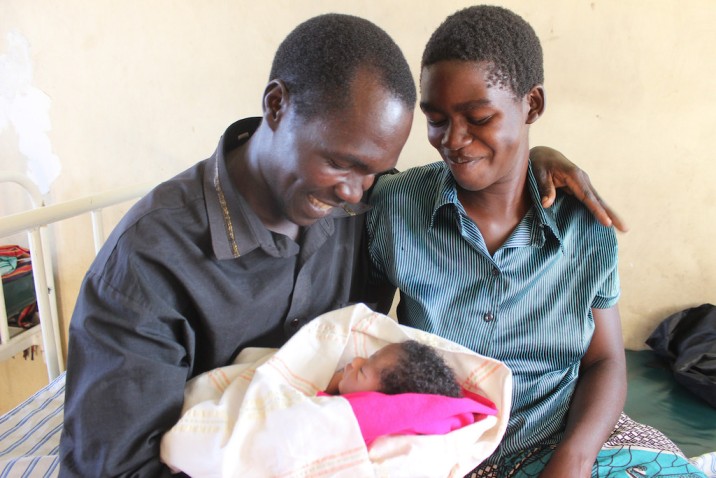
1. The Context of Male Involvement in Uganda
Male involvement is absolutely critical in the reduction of maternal and infant mortality and morbidity in Uganda. The cultural and economic dynamics heavily dictate health-seeking behaviors:
- Men as Decision-Makers: Culturally, men are the primary decision-makers in Ugandan households. Many women are not sufficiently empowered—either socially or economically—to seek health care without directly consulting their spouses.
- Dangerous Delays: A woman may correctly recognize obstetric danger signs during pregnancy, labour, or the puerperium, but she will often wait for her spouse to return home to give consent and provide funds before seeking care.
- Influence of the Extended Family: The final decision on exactly where and when to seek care often depends not just on the husband, but also on his relatives.
- Maternal Death Audits: Clinical evidence from maternal death audits in Uganda clearly shows that this specific delay in decision-making and lack of male involvement directly contributes to the country's high maternal and infant mortality rates.
2. Gender Power Roles and Male Vulnerability
Decisions regarding family health are deeply intertwined with gender power dynamics. Because men control household resources, the indirect costs of care-seeking are entirely at their discretion. This creates several dynamics:
- Control of Resources: Women often have to justify and explain why they need to go to health facilities. Preventive services (like antenatal care or family planning) are often harder to justify to men than acute emergencies.
- Family Size Dictation: The decision on the number of children to have is very often dictated solely by the man.
- STI and HIV Control: The control of STIs/HIV is a critical RH issue for men, who are statistically more often involved in high-risk sexual behaviors.
- Emotional Journey: Sexual and Reproductive Health (SRH) issues involve a deep emotional journey. Both men and women desperately need emotional support during this process.
Male Specific Health Vulnerabilities
Men have their own unique sexual and reproductive health problems that are often ignored by traditional health systems. These include:
- Infections: High vulnerability to HIV/AIDS and other Sexually Transmitted Infections (STIs).
- Fertility & Midlife Concerns: Issues such as male infertility, sexual dysfunction, and andropause (the male equivalent of menopause).
- Malignancies: Serious non-malignant genito-urinary conditions and life-threatening cancers of the prostate, testicles, and other genito-urinary organs.
⚠️ Attention: Masculinity and Gender-Based Violence (GBV)
Cultural beliefs often equate "manhood" or "masculinity" with risky behavior and physical dominance. Masculinity norms dictate that males must "play brave" by not seeking medical help when sick (even with HIV). Furthermore, Gender-Based Violence often arises from this toxic notion of masculinity based on sexual and physical domination over women. Addressing GBV is a cross-cutting issue that requires a gendered approach to actively involve and re-educate men.
3. The Historical Shift in Perspective
In the past, bringing men into RH clinics was strongly opposed by women’s health advocates. They understandably feared that adding male services would damage the quality of women’s care, reduce privacy, and create competition for already scarce medical resources.
However, it is now globally proven that neglecting men actually detracts from women's overall health. Programs that educate, test, and treat only one partner will never be effective.
- Men who are educated about RH are more likely to fully support their partners in using contraceptives and practicing safe sex.
- Knowledgeable men make faster, better health care decisions, ensuring their partners receive Emergency Obstetric Care immediately rather than delaying.
- Men must share the equal burden of disease prevention, as well as the risks and benefits associated with family planning.
4. Core Reasons for Involving Men in Reproductive Health
Involving men creates a massive ripple effect of benefits for the man, the woman, the community, and the healthcare provider. The main reasons include:
- Provides Support: It ensures male support for female actions related to reproduction and fosters deep respect for women’s reproductive and sexual rights.
- Expands Options: Increases access to and use of male contraceptive methods (condoms, vasectomy), effectively expanding the range of family planning options.
- Promotes Healthy Behavior: Encourages highly responsible and healthy reproductive and sexual behaviors, especially in young men.
- Improves Counseling: Allows men to actively participate alongside their spouses during counseling and FP/RH information sessions.
- Disease Prevention: Acts as a primary tool in preventing the rapid spread of HIV/AIDS and STDs.
- Risk Awareness: Helps directly inform men about the devastating ill effects their risky sexual behaviors have on the health of their women and children.
- Approval of FP: When men approve of family planning, they heavily support and fund their women’s contraceptive use.
- Decision Making: Men make macro-decisions that directly affect both women's and men’s health; educating them ensures these decisions are medically sound.
- Women's Demands: Women themselves are increasingly demanding that their partners take more responsibility and involvement in family health.
- Gender Equity: Utilizing RH programs to promote true gender equity and the radical transformation of traditional men’s and women’s social roles.
5. Factors Limiting Male Participation
Despite the known benefits, several systemic, cultural, and psychological barriers prevent men from fully utilizing RH services:
- Primary Health Centers (PHC) Not Geared for Men: Most family planning and RH services are exclusively designed to meet women’s or children’s needs. Men do not view these clinics as a source of help for themselves.
- Female-Dominated Staff: The vast majority of PHC service providers are female, which can create a barrier for men seeking sensitive genital health care.
- Unwelcoming Environment: Clinics are often inconveniently timed, overcrowded with women/children, and unwelcoming to men. Men feel deep embarrassment visiting a facility that primarily serves pregnant women.
- Unfavorable Social & Cultural Climate: Cultural factors actively limit men’s abilities to take a supportive role. In societies where sexual matters are taboo, men feel highly uncomfortable discussing family planning or sexual concerns.
- Limited Male Contraceptives: Available methods for men are strictly limited to condoms, natural family planning, withdrawal, and vasectomy.
- Rumors and Misinformation: A severe lack of accurate information leads to deadly myths. Men often equate vasectomy with castration or impotence, or they believe condoms reduce sexual satisfaction and cause diseases.
- Provider Bias: Healthcare providers often hold deep biases against male methods or assume men simply do not care. Providers may neglect to even offer or explain male methods to couples.
- Religious Barriers: Certain men believe that practicing contraception contradicts their strict religious teachings.
- Resource Constraints: Clinics lack dedicated "Male Clinics," lack male health workers, and prioritize the minimal funds toward women's services.
- Psychological Factors: Mindset, ego, and shyness prevent men from opening up. There is also a lack of adequate communication between spouses regarding FP needs.
6. Reproductive Health Needs and Services for Men
To successfully integrate men, health systems must provide services that specifically cater to male reproductive anatomy and psychology. These needs are categorized into three areas:
A. Information Needs
- Basic sexual and reproductive health education.
- Genital health, proper hygiene, and reproductive physiology.
- Building healthy relationships and preventing sexual/gender-based violence.
- Information on contraception, pregnancy prevention, and birth preparedness.
- Knowledge about STIs, HIV, fertility, and infertility.
- Awareness of male reproductive cancers (prostate, testicular).
- Fatherhood skills and where to obtain specialized services (e.g., genetic counseling, abuse support).
B. Skill Needs
- Practical skills in pregnancy and STI prevention (e.g., correct condom use).
- Improved sexual skills and healthy communication.
- Active fatherhood and parenting skills.
C. Preventive Health Care & Clinical Services
- Comprehensive sexual and reproductive history taking.
- Cancer screening and physical examinations.
- Substance abuse screening and mental health assessments.
- Clinical diagnosis, testing, and treatment for STIs (including HIV).
- Diagnosis and medical treatment for sexual dysfunction and urologic diseases.
- Fertility evaluations and contraceptive surgical services (Vasectomy / Vasectomy reversal).
7. Social and Reproductive Responsibilities of Men
Empowering men means holding them accountable to clear social and reproductive responsibilities:
- Communication: Openly discussing contraceptive options and STI/HIV screening with their partners.
- Clinical Support: Physically escorting partners to Antenatal Care (ANC), delivery, and Postnatal Care (PNC) services.
- Legal Marriage: Men should legally only marry partners who have reached the age of 18 years and above.
- Prevention: Abstaining from sex until marriage or consistently using condoms to prevent STIs, HIV, and unwanted pregnancies.
- Emotional Support: Maintaining a peaceful, non-violent, and loving relationship, especially during the high-stress periods of pregnancy, labor, and puerperium.
- Financial Support: Providing total moral and financial backing for medical bills, transport, and nutrition during pregnancy and childbirth.
- Child Rearing: Actively helping in bringing up children and supporting the mother's infant feeding choices.
Social Norms, Beliefs, Practices, and Taboos to Overcome
Health workers must actively fight against deep-rooted negative cultural practices:
- Promiscuity & Polygamy: Culturally accepted behaviors that drastically multiply the spread of HIV.
- Power Imbalances: A setup where strict male dominance is the absolute norm, leading to a lack of communication/dialogue between spouses.
- Gender Biases in Roles: Assigned roles (e.g., "men do not cook") mean men cannot or will not assist their wives with heavy chores during pregnancy.
- Harmful Traditions: Early marriage (which causes obstetric fistulas and maternal death) and wife inheritance (which spreads STIs).
- Poverty: Competition among co-wives in polygamous setups often deepens household poverty, limiting funds for maternal healthcare.
8. Strategies to Increase Male Involvement
To successfully bring men into the reproductive health fold, health systems and midwives must employ robust, multi-sectoral strategies:
- Youth Education: Work proactively with young men and boys in schools to positively influence gender biases early on, ensuring better RH outcomes in the future.
- Service Integration: Integrate male-desired services (like prostate screening or STI treatment) directly into existing maternal health clinics.
- Community Sensitization: Aggressively sensitize the general community to re-address and dismantle negative gender biases and cultural taboos.
- Capacity Building: Train and build the capacity of healthcare providers to actively welcome and involve men without bias.
- Develop IEC Materials: Create targeted Information, Education, and Communication (IEC) and advocacy materials that directly address male responsibilities in RH.
- Focus on the Couple: Shift the clinical focus from treating the "individual woman" to treating the "couple" as a single unit.
- Eradicate Myths: Run heavy campaigns to remove myths, rumors, and fears specifically surrounding condoms and vasectomies.
- Clinic Restructuring: Rearrange health clinics to ensure privacy. Where possible, establish separate clinics for males or employ more male health workers to reduce shyness.
- Outreach Services: Push for Workplace services, Community-based services, and commercial social marketing targeted at men.
- Policy Guidelines: Engage high-level institutions (like the Ministry of Health and NGOs) to develop strict national guidelines on male involvement in RH.
9. References
- International Conference on Population and Development (ICPD) Program of Action, Cairo, 1994.
- Fourth World Conference on Women, Beijing, 1995.
- Uganda Ministry of Health (MoH) Guidelines on Maternal and Child Health.
- World Health Organization (WHO) protocols on Male Involvement in Reproductive Health.
- Evidence from National Maternal Death Audits, Uganda.
Why is it that I can’t access other costs unit. It’s not opening
Good
THANKS for making reading very easy, but other notes ai not opening in other course units please 🙏🙏 if possible may i have an access to those notes THANKS 🙏🙏
Notes are very good , how can i join your discusions. Thank you